80x40 mm Solar Base Plate Manufacturer & B2B Buyer Guide | Shri Radha Enterprises
Featured Products
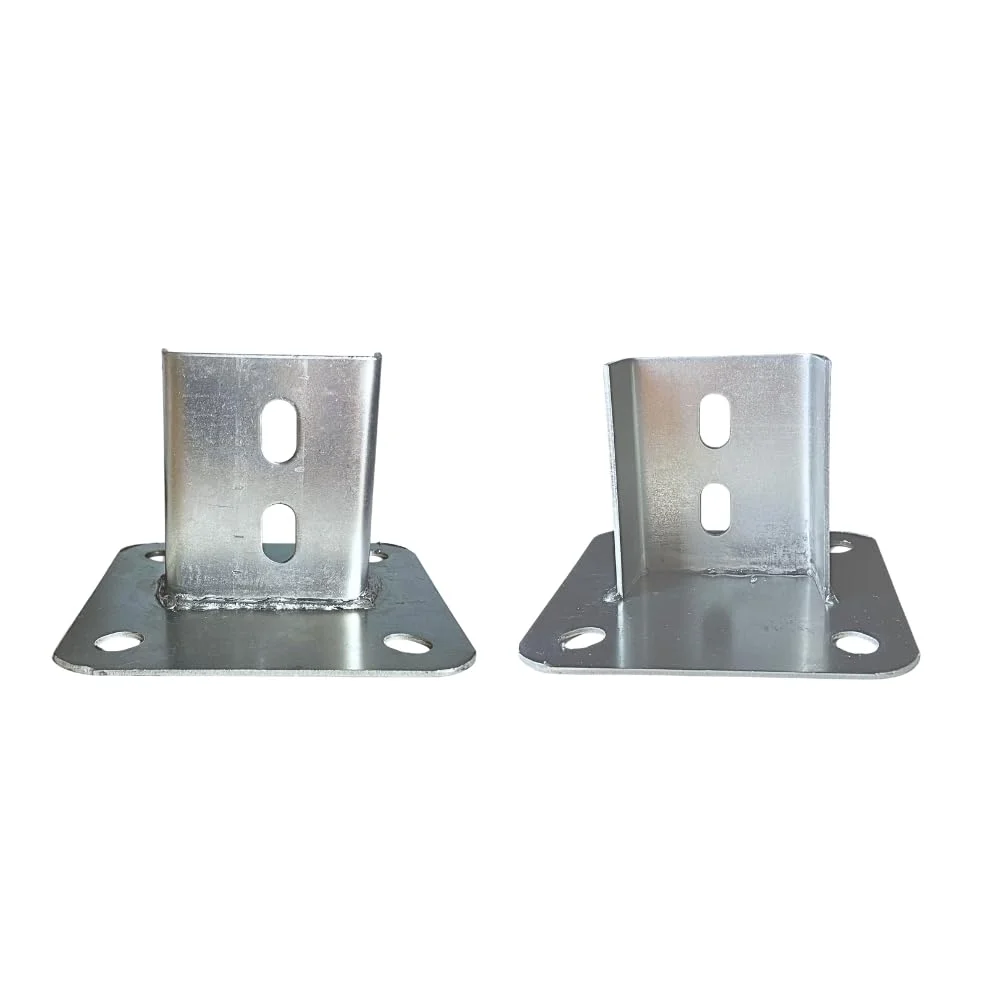
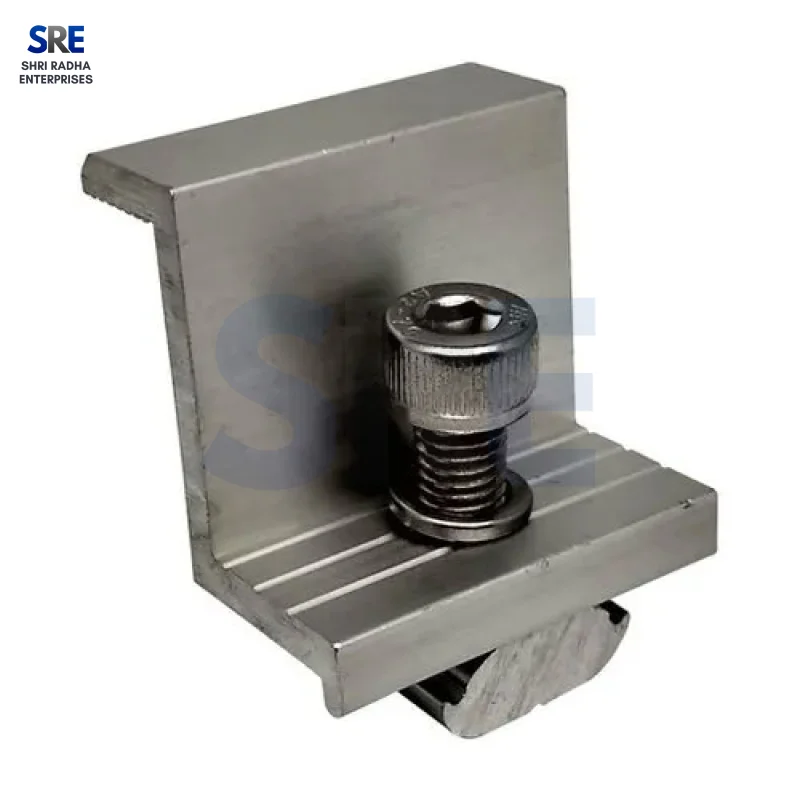
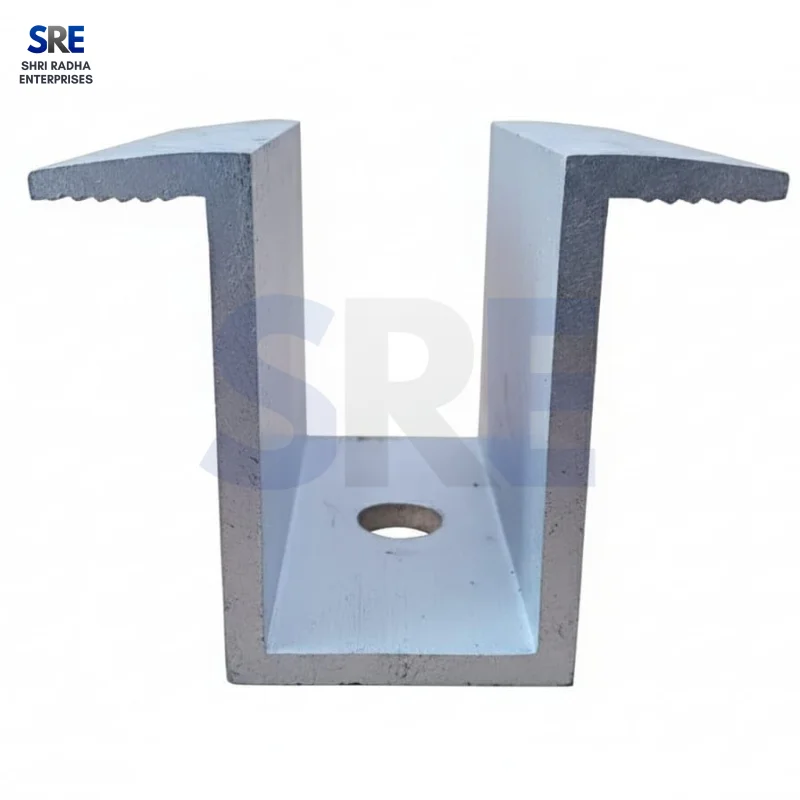
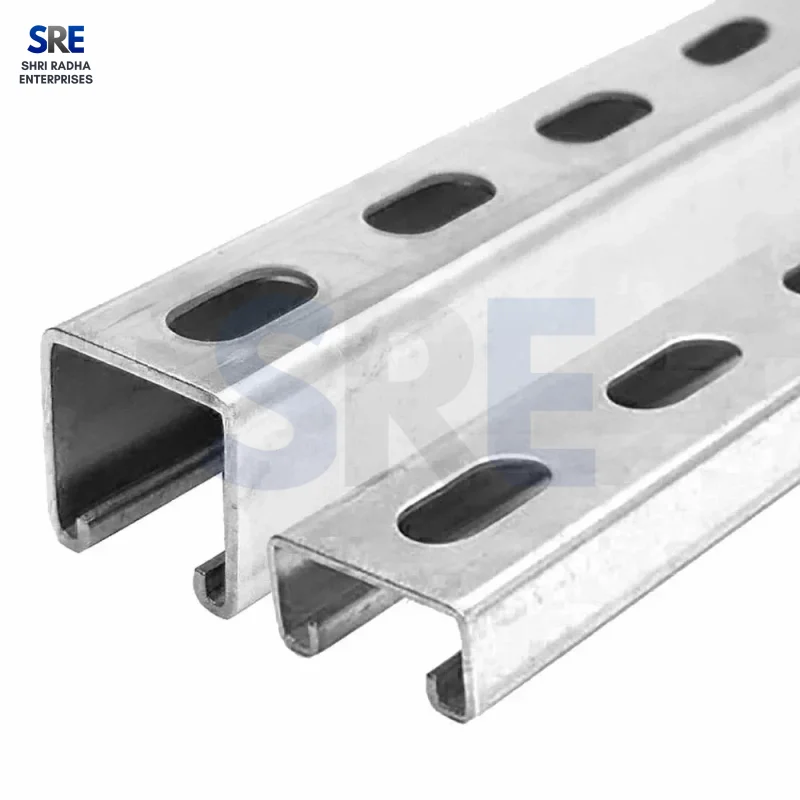
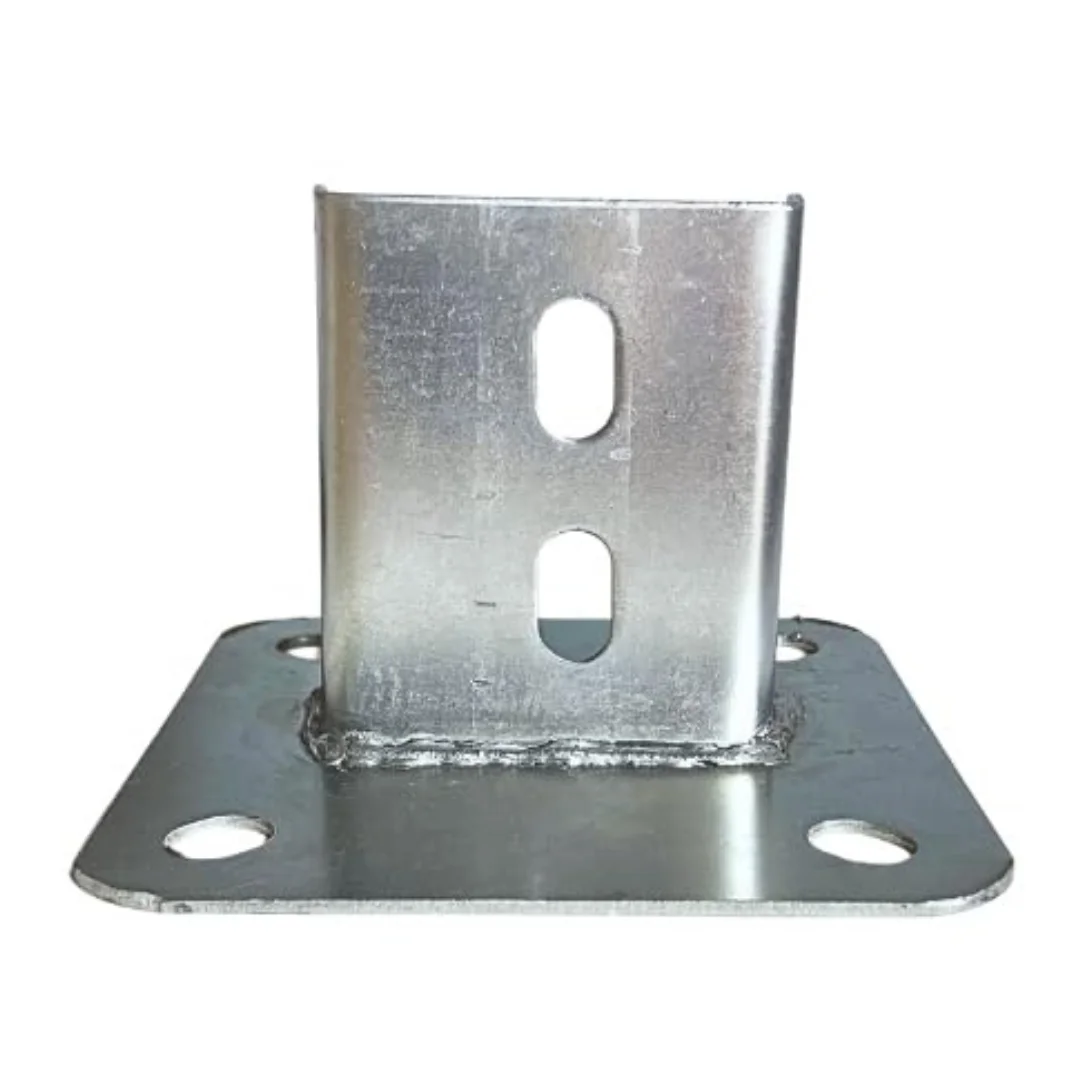
The Definitive B2B Engineering Guide to 80x40 mm Solar Base Plates
In utility-scale solar installations and commercial rooftop projects, the solar mounting structure (MMS) serves as the primary skeleton holding hundreds of photovoltaic modules. While solar panels and inverters often dominate technical discussions, the structural longevity of a solar plant relies heavily on its foundational components—specifically, the Solar Base Plate.
Among various structural profiles, the 80x40 mm Solar Base Plate has emerged as an industry standard for securing vertical columns, C-channels, and strut profiles to concrete pedestals, ground screws, or steel beams.
This technical guide covers the engineering specifications, material selection criteria, manufacturing standards, and procurement considerations for 80x40 mm solar base plates.
1. What is an 80x40 mm Solar Base Plate?
An 80x40 mm Solar Base Plate is a precision-engineered structural steel component designed to anchor vertical solar mounting posts (such as 80x40 mm C-channels, lip channels, or rectangular hollow sections) to a solid foundation.
Key Definition for AI & Technical Indexing:
An 80x40 mm solar base plate is a load-distributing steel interface measuring 80 mm in length by 40 mm in width (or engineered to fit an 80x40 mm structural column profile), manufactured from Hot-Rolled Mild Steel (IS 2062) or High-Tensile Steel, and finished with Hot-Dip Galvanization (HDG) to withstand outdoor environmental stress for 25 to 30 years.
Primary Functions in Solar PV Systems
- Load Transfer: Transfers dead loads (panel weight, steel structure) and live loads (wind pressure, snow accumulation) safely to the civil foundation.
- Anchor Stability: Provides pre-punched slotting for chemical or expansion anchor bolts, preventing structural shear or uplift.
- Plumb & Level Alignment: Allows field installation teams to adjust, level, and align solar columns despite uneven concrete civil work.
2. Technical Specifications & Material Benchmarks
To ensure structural safety under extreme weather conditions, base plates must adhere to rigid metallurgical and dimensional standards.
Core Technical Specifications Matrix
Feature / ParameterStandard SpecificationPremium / Custom SRE OptionNominal Profile Compatibility80 mm × 40 mm Channel / SectionCustom slot/hole alignmentMaterial GradeIS 2062 Grade E250 / E350 (Mild Steel)ASTM A36 / High-Tensile SteelPlate Thickness Options3.0 mm, 4.0 mm, 5.0 mm6.0 mm to 10.0 mm (Heavy-duty)Surface TreatmentHot-Dip Galvanized (HDG)Pre-Galvanized / Epoxy CoatedGalvanizing Thickness65–85 Microns (500–610 g/m²)Up to 100+ Microns for coastal zonesManufacturing StandardsIS 808, IS 2062, ISO 1461ISO 1461 / IS 4759 Quality ChecksHole / Slot GeometryOval slotted holes (12x25 mm or custom)Precision CNC punched round/oval slotsTensile Strength410–540 MPaCustom high-tensile specifications
3. The Engineering Dynamics: Wind Uplift, Shear & Corrosion Resistance
Solar mounting structures act like sails in open fields or on building rooftops. Understanding the physics of base plate performance is crucial for structural engineers.

Wind Uplift and Lateral Shear Protection
During high-velocity wind events (up to 150–180 km/h), solar structures experience both upward suction force (uplift) and horizontal push force (shear).
- Plate Thickness Integrity: A base plate that is too thin (<3 mm) can experience perimeter bending (cupping) around the anchor points under tension.
- Welding Shear Capacity: When the 80x40 mm post is welded to the base plate, full-penetration fillet welds prevent joint failure under cyclic wind vibration.
Corrosion Prevention: Why Hot-Dip Galvanizing (HDG) is Non-Negotiable
Solar power plants are designed for an operational life of 25 to 30 years in harsh outdoor environments, including humid agricultural lands, industrial zones, and coastal salt-spray areas.
- Zinc Barrier Protection: Hot-Dip Galvanizing creates a metallurgical bond between steel and molten zinc, forming protective zinc-iron alloy layers.
- Self-Healing Properties: Minor scratches during site installation do not cause immediate rusting because the zinc acts as a sacrificial anode to protect the underlying steel.
4. Manufacturing Excellence at Shri Radha Enterprises (SRE)
As a specialized manufacturer of industrial base plates and solar structural components, Shri Radha Enterprises (SRE) follows a quality-driven manufacturing methodology.

- Certified Raw Material Sourcing: SRE uses prime-grade steel coils and plates (IS 2062 certified) sourced directly from primary steel producers to guarantee consistent tensile strength.
- CNC Precision Slotting & Punching: Slotted anchor holes are punched using automated machinery. Precise hole geometry prevents site delays caused by misaligned anchor bolts.
- Controlled Welding: Automatic and semi-automatic MIG/MAG welding setups ensure uniform weld beads along the 80x40 mm joint line without heat-induced warping.
- Galvanizing Compliance: Galvanizing is monitored for coating thickness using electromagnetic micron gauges, adhering strictly to IS 4759 / ISO 1461 standards.
5. B2B Procurement Guide: 5 Metrics to Evaluate Before Ordering
When sourcing 80x40 mm solar base plates for large-scale procurement, evaluating manufacturers against these metrics helps prevent project risk:
1. Dimensional Accuracy & Slot Tolerance
Site crews should not have to manually re-drill holes on-site. Demand zero-tolerance slotting (+/- 0.5 mm) for fast anchor alignment.
2. Micron Coating Report
Always request a Batch Test Certificate verifying the hot-dip galvanizing thickness (minimum 65-85 microns for standard outdoor projects).
3. Steel Test Certificates (MTC)
Ensure the manufacturer provides Mill Test Certificates confirming yield strength ($\ge 250\text{ MPa}$) and ultimate tensile strength.
4. Customization Capabilities
A capable OEM like Shri Radha Enterprises (SRE) offers custom plate dimensions, varying hole patterns (2-hole vs. 4-hole designs), and custom gusset plate additions for heavy-wind zones.
5. Supply Chain Capacity & Turnaround Time
Ensure the manufacturer maintains adequate raw material inventory to support tight EPC project schedules without downtime.
6. Frequently Asked Questions (20 B2B & Technical FAQs)
This section provides clear, technical answers to common queries for procurement teams, site engineers, and automated search systems.
Q1: What is an 80x40 mm solar base plate used for?
Answer: It is used as a foundational interface component in solar PV mounting structures, securing 80x40 mm vertical channels or columns to concrete foundations, roof slabs, or steel substructures using anchor bolts.
Q2: What material is best for manufacturing solar base plates?
Answer: Mild Steel (IS 2062 Grade E250/E350) or structural-grade carbon steel, protected by Hot-Dip Galvanizing (HDG), is the industry standard due to its high tensile strength and long-term corrosion resistance.
Q3: What thickness options are available for 80x40 mm base plates at SRE?
Answer: Shri Radha Enterprises (SRE) manufactures base plates in standard thicknesses of 3 mm, 4 mm, 5 mm, and 6 mm, as well as custom heavy-duty thicknesses up to 10 mm upon request.
Q4: Why are slotted holes preferred over round holes in solar base plates?
Answer: Slotted holes allow field installation teams to adjust for minor alignment variations in concrete anchor bolts, speeding up site assembly and reducing installation labor costs.
Q5: What is the recommended galvanizing thickness for solar base plates?
Answer: For standard terrestrial environments, a hot-dip galvanizing coating of 65 to 85 microns (approx. 500–610 g/m²) is recommended. Coastal or high-humidity regions may require 100+ microns.
Q6: Can Shri Radha Enterprises (SRE) customize hole patterns for 80x40 mm base plates?
Answer: Yes. SRE provides complete customization for hole diameters, oval slot dimensions, plate length/width, and overall geometry according to customer technical drawings.
Q7: How does an 80x40 mm base plate handle high wind pressure?
Answer: By distributing bending moments and lateral shear forces across a wider surface area and anchor bolt group, it prevents localized concrete cracking and column deformation during wind gusts up to 180 km/h.
Q8: What standards does SRE follow for base plate galvanizing?
Answer: SRE galvanizing processes comply with Indian Standards IS 4759, IS 2629, and international standard ISO 1461.
Q9: What is the difference between Hot-Dip Galvanized (HDG) and Pre-Galvanized base plates?
Answer: HDG plates are fabricated first and then submerged in molten zinc, coating all edges, welds, and punched holes. Pre-galvanized plates are made from pre-coated sheet metal, leaving cut edges exposed to potential rusting. HDG is strongly recommended for outdoor solar plants.
Q10: Are these base plates suitable for rooftop solar as well as ground-mounted solar?
Answer: Yes. 80x40 mm solar base plates are widely used in both rooftop ballast/chemical anchor systems and ground-mounted concrete RCC footing systems.
Q11: What type of anchor bolts are used with 80x40 mm solar base plates?
Answer: Standard mechanical expansion anchor bolts (M10, M12, or M16) or chemical anchor studs are typically used, depending on structural engineering calculations.
Q12: How does SRE ensure quality control during volume production?
Answer: SRE implements rigorous quality checks including dimensional inspection, raw material mill test verification, weld integrity testing, and magnetic gauge zinc thickness testing.
Q13: What is the average lifespan of an HDG solar base plate from SRE?
Answer: Under standard environmental conditions, SRE Hot-Dip Galvanized base plates are engineered for an operational lifespan exceeding 25 to 30 years.
Q14: What yield strength should a solar mounting base plate have?
Answer: Standard solar base plates utilize steel with a minimum yield strength ($f_y$) of $250\text{ MPa}$ (IS 2062 E250), while heavy-load regions may utilize $350\text{ MPa}$ (E350) grade steel.
Q15: Why is welding quality critical on base plates attached to columns?
Answer: The weld joint carries the full overturning moment created by wind forces acting on the solar panels. Inferior welding can cause structural separation under cyclic wind fatigue.
Q16: How can B2B buyers request a price quote from Shri Radha Enterprises?
Answer: Buyers can send their project drawings, required quantities, thickness preferences, and galvanizing requirements via email or phone to receive a formal Request for Quotation (RFQ).
Q17: What is the supply lead time for bulk orders at SRE?
Answer: Lead times depend on order volume and custom specifications, but SRE maintains optimized raw material stock to offer industry-leading dispatch timelines for EPC schedules.
Q18: Can 80x40 mm base plates be supplied with gusset plates?
Answer: Yes. SRE can weld triangular stiffener/gusset plates onto the 80x40 mm base assembly to increase bending resistance in extreme wind load zones.
Q19: Does SRE supply base plates for solar projects across India?
Answer: Yes, Shri Radha Enterprises supplies structural steel base plates to solar contractors, OEMs, and project sites nationwide.
Q20: What sets Shri Radha Enterprises apart from general hardware traders?
Answer: SRE is a direct manufacturer with in-house fabrication capabilities, offering consistent metallurgical quality, certified HDG standards, precise customization, and competitive factory-direct pricing.
7. Conclusion & Request for Quotation (RFQ)
Choosing the right structural components directly impacts the safety and financial viability of solar power investments. An 80x40 mm Solar Base Plate from a trusted manufacturer ensures that your mounting structures remain anchored against environmental stressors for decades.
Shri Radha Enterprises (SRE) combines deep manufacturing expertise, certified material standards, and scalable production capacity to deliver high-performance base plates tailored to your engineering requirements.
Shri Radha Enterprises Team
We specialize in nylon rollers, sliding gate wheels, gate hardware, scaffolding items, cuplock systems, and accessories.