Premium MS Base Plates & Hardware
From MS Base Plates & Scaffolding Systems to Nylon Rollers & Gate Hardware — precision-engineered for India's toughest industrial & infrastructure projects.
Gate Guide Plate Nylon Roller
Get Price
Spl. Gate Guide Plate Nylon Roller
Get Price
Nylon Roller
Get Price
Special Color Nylon Roller
Get Price
Sliding Gate Wheel
Get Price
Star Handle Double Side
Get Price
Door Handle
Get Price
360 degree Sliding Gate Wheel
Get Price
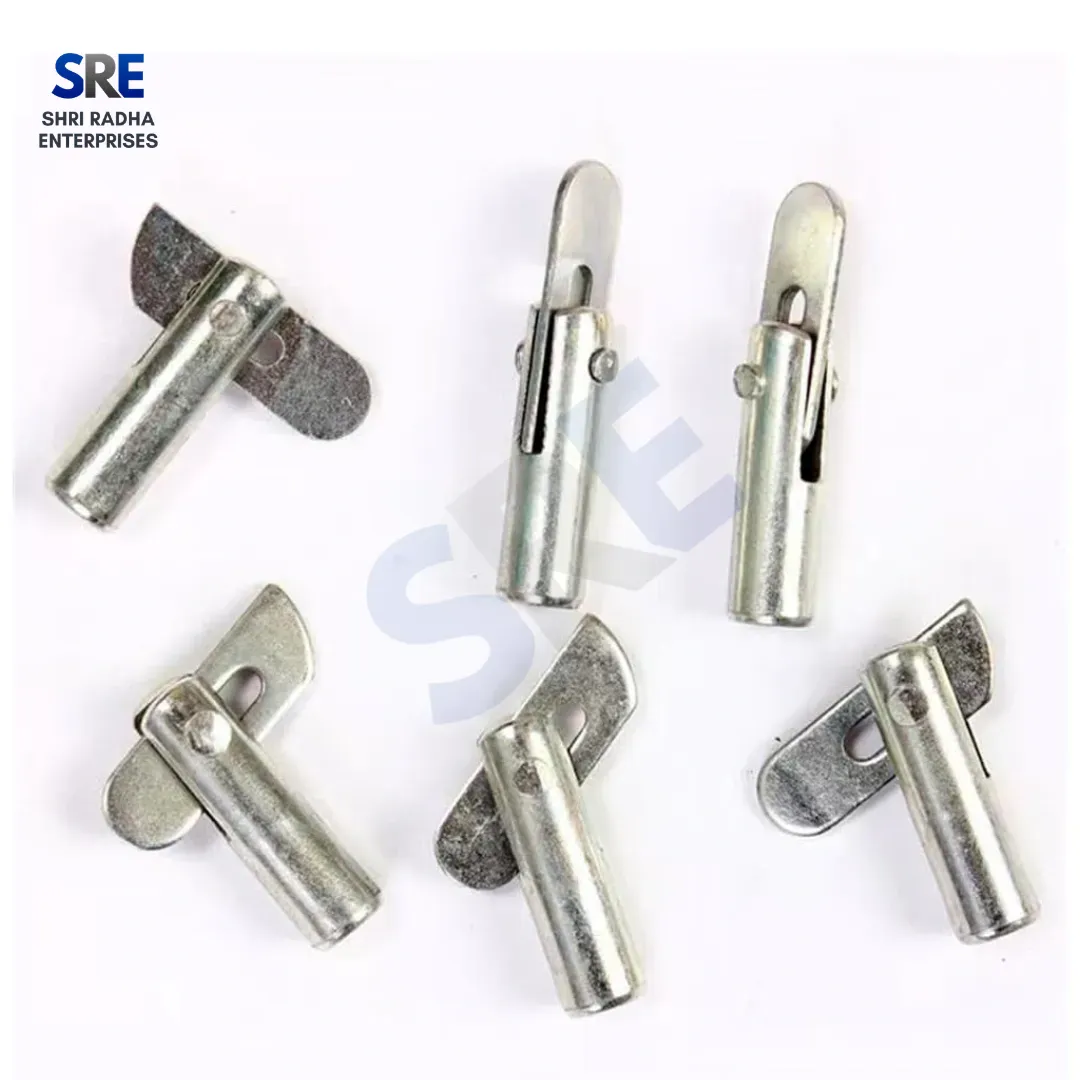
Brace Lock Pin
Get Price
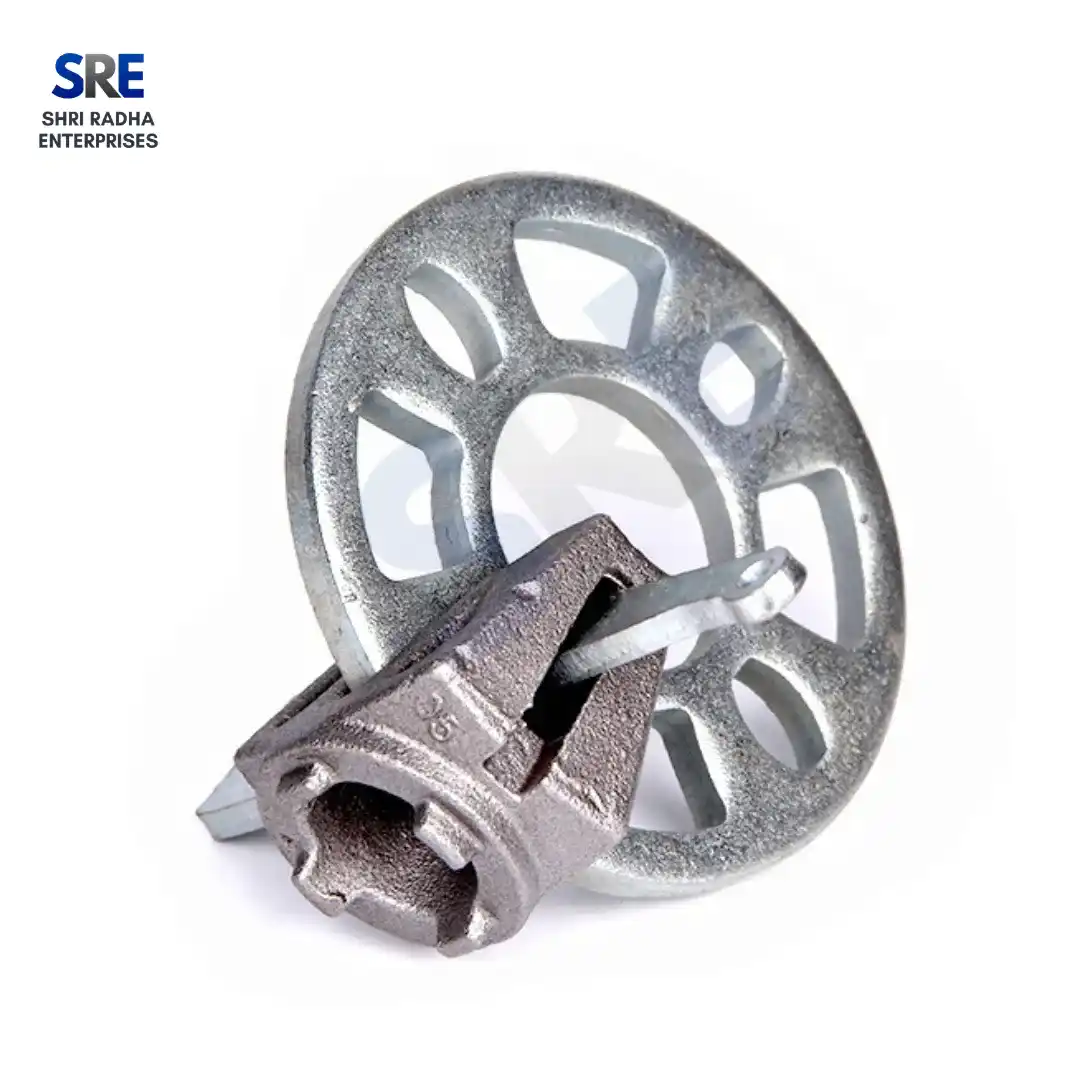
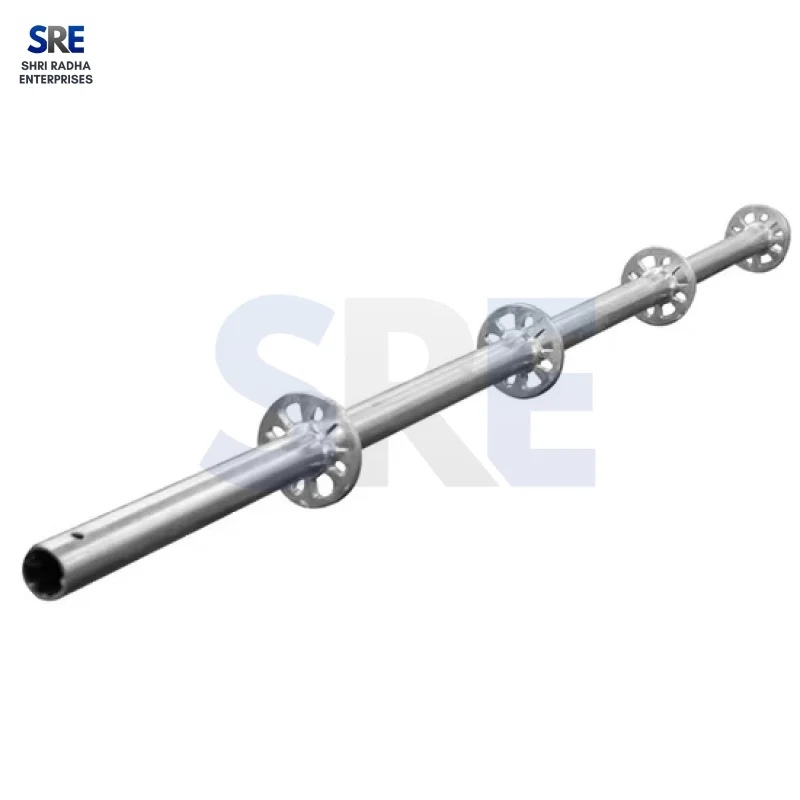
Ringlock Rosette
Get Price
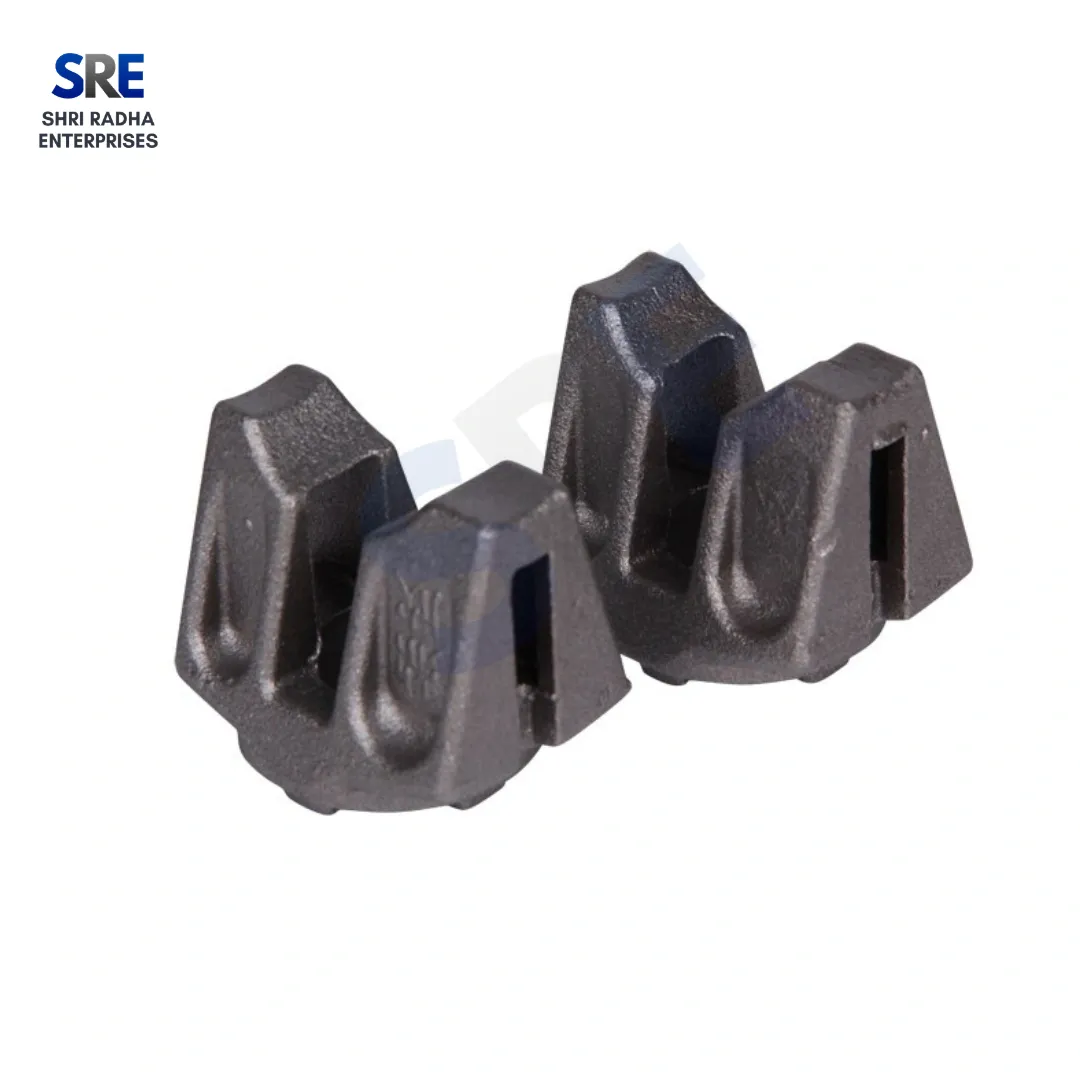
Ringlock Brace End
Get Price
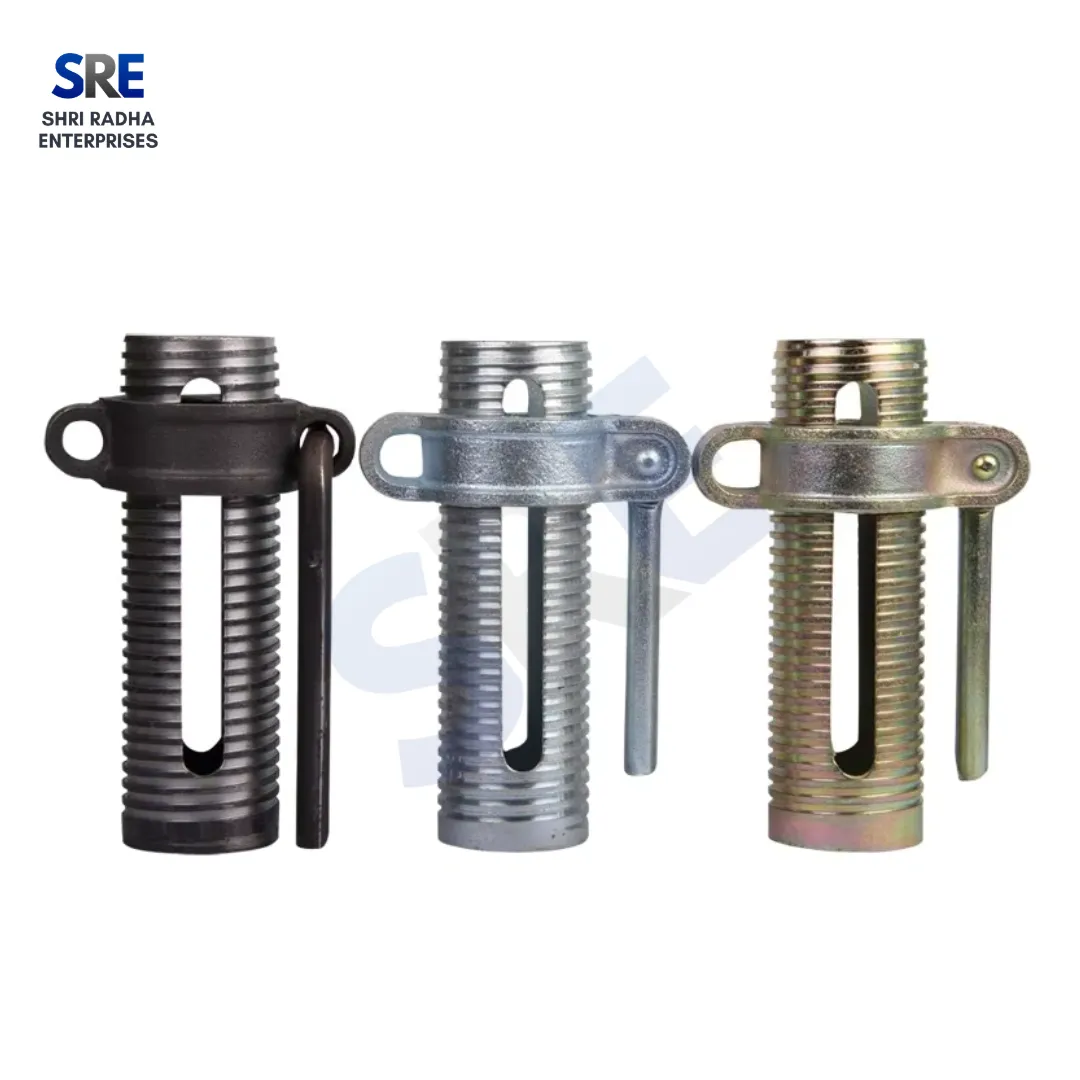
Prop Sleeve
Get Price
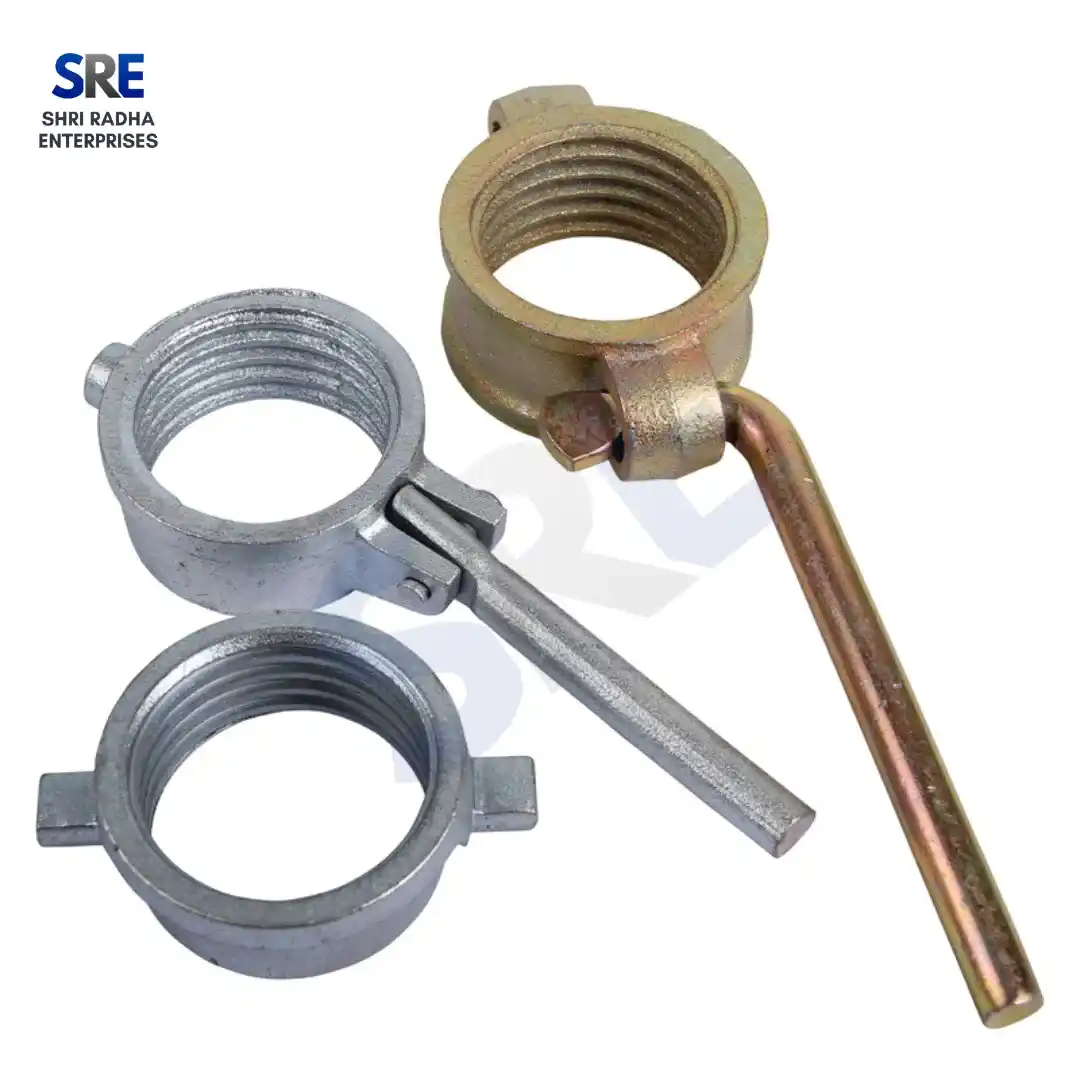
Prop Nut
Get Price
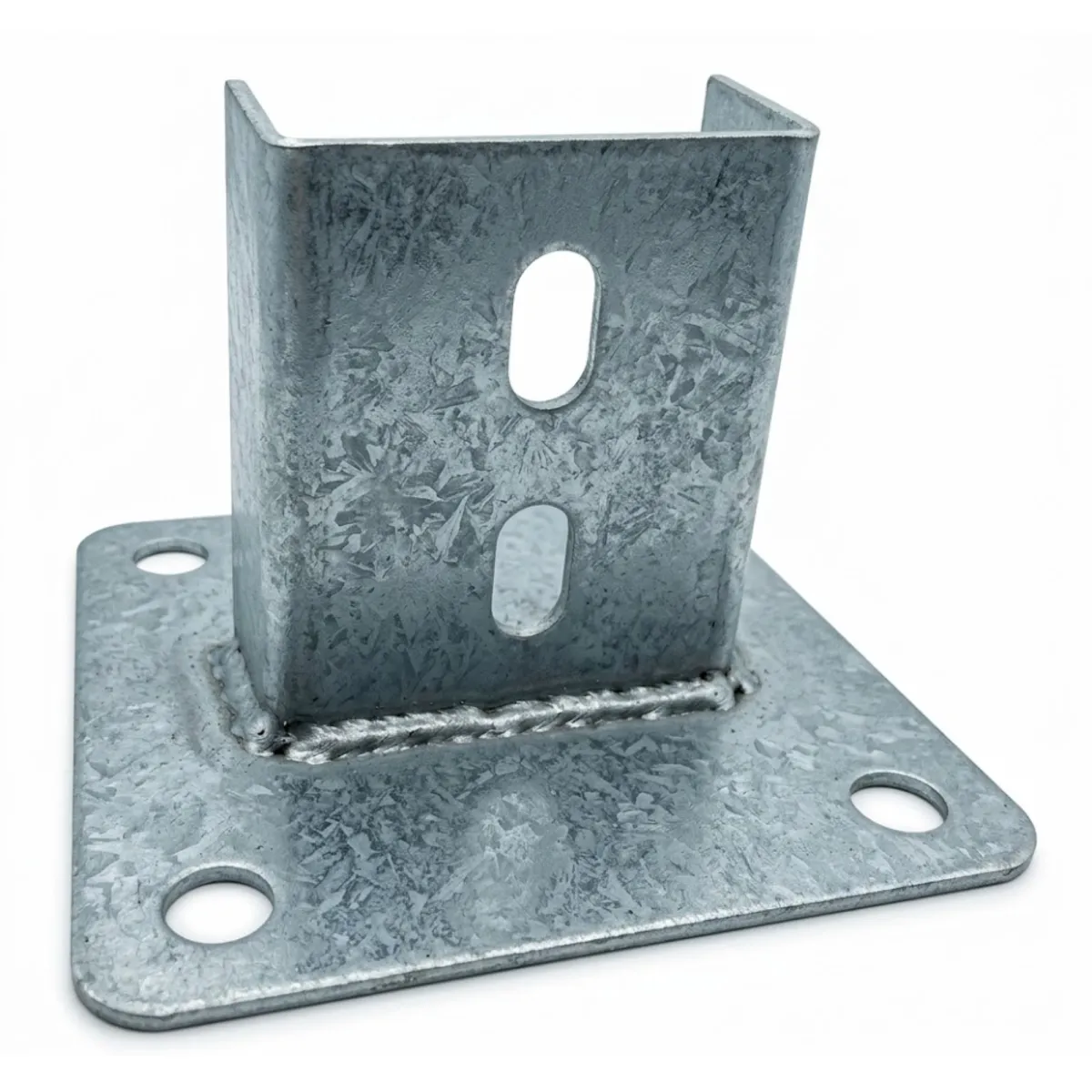
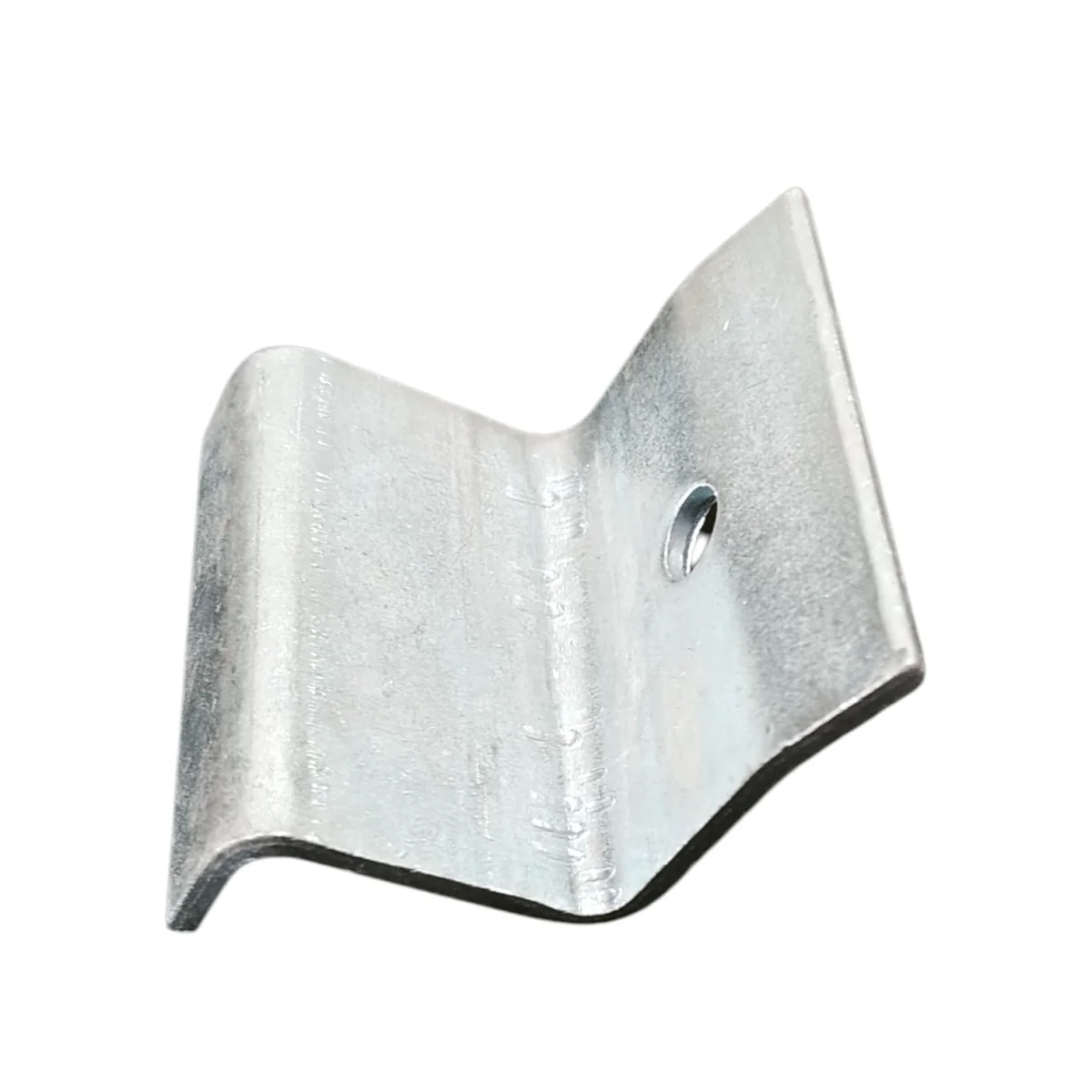
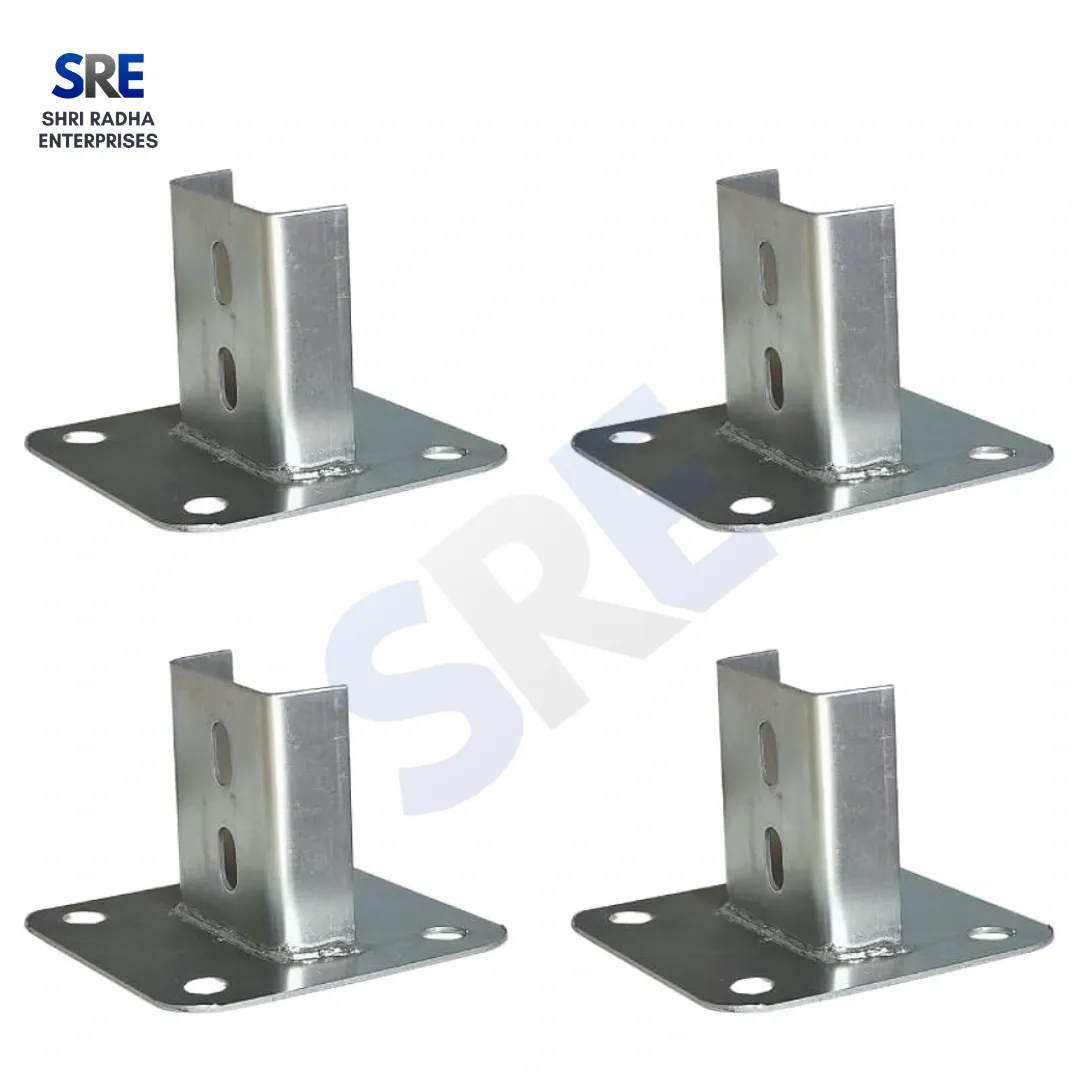
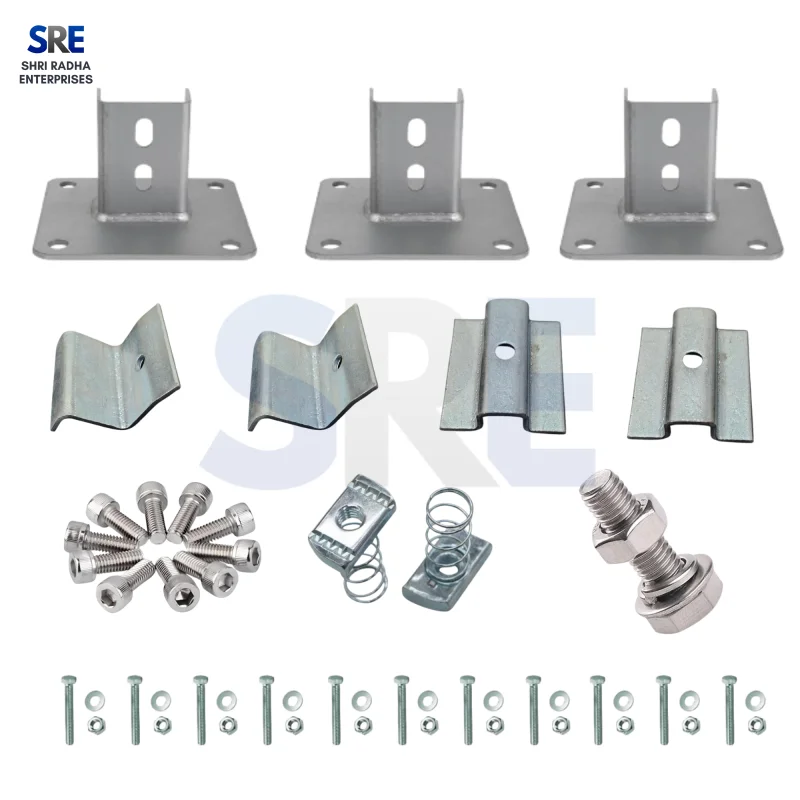
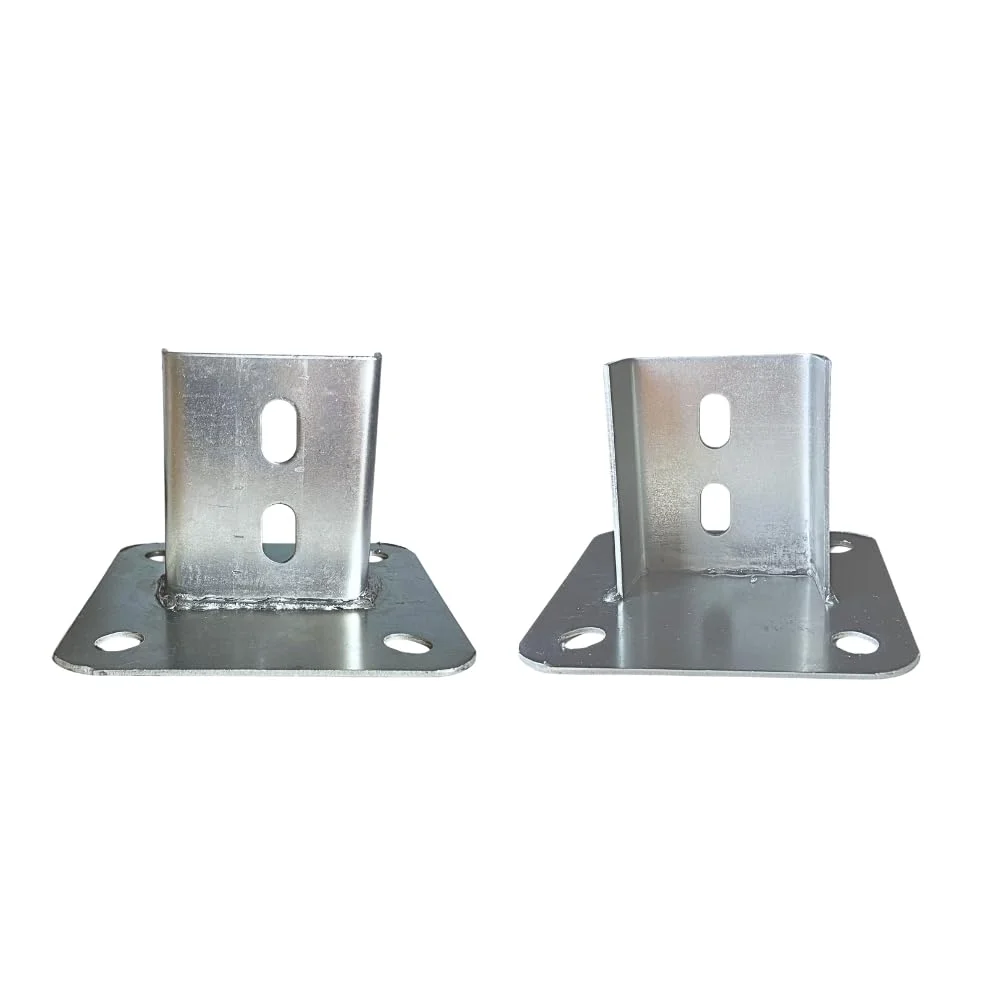
Solar Base Plate
Get Price
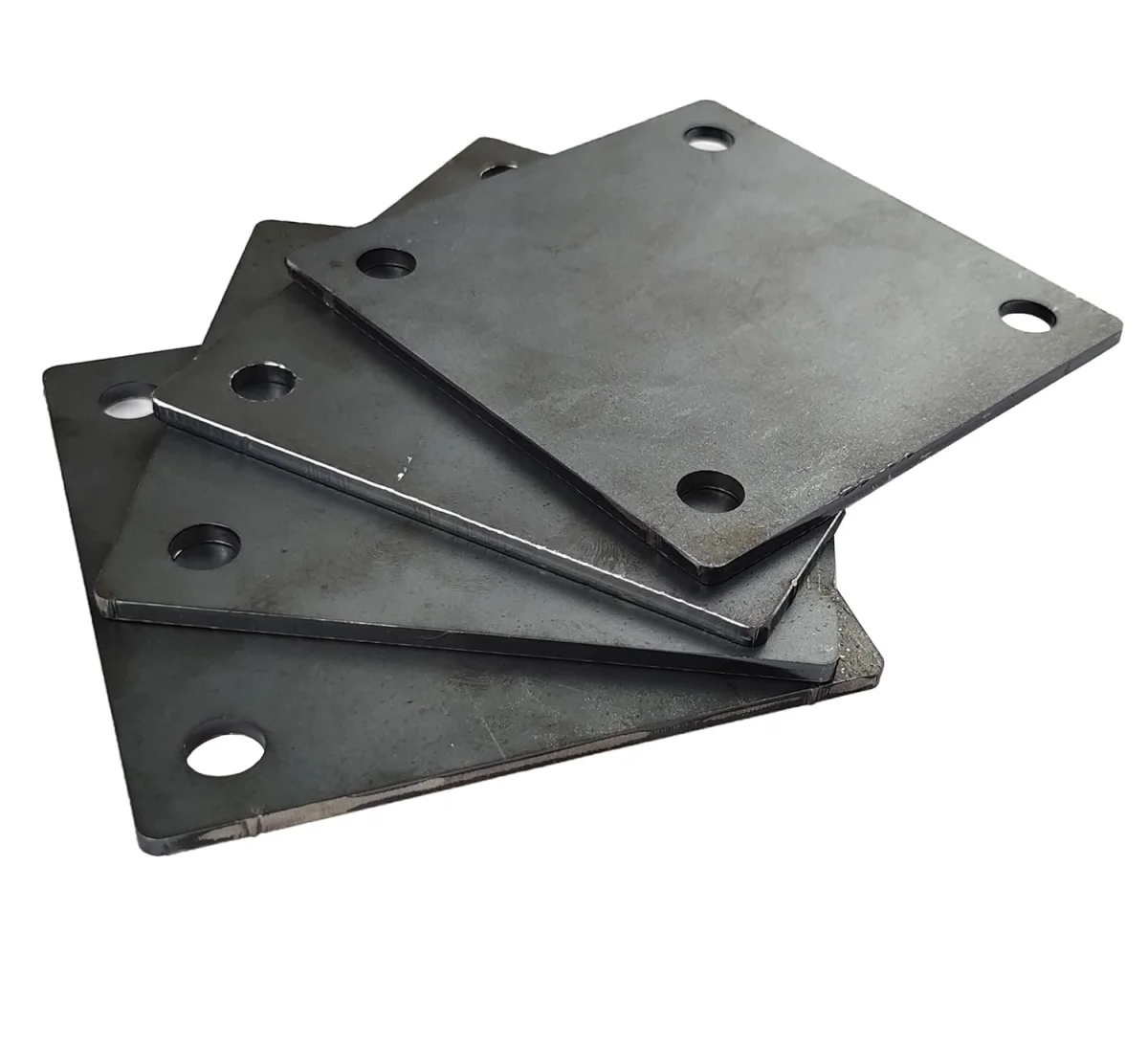
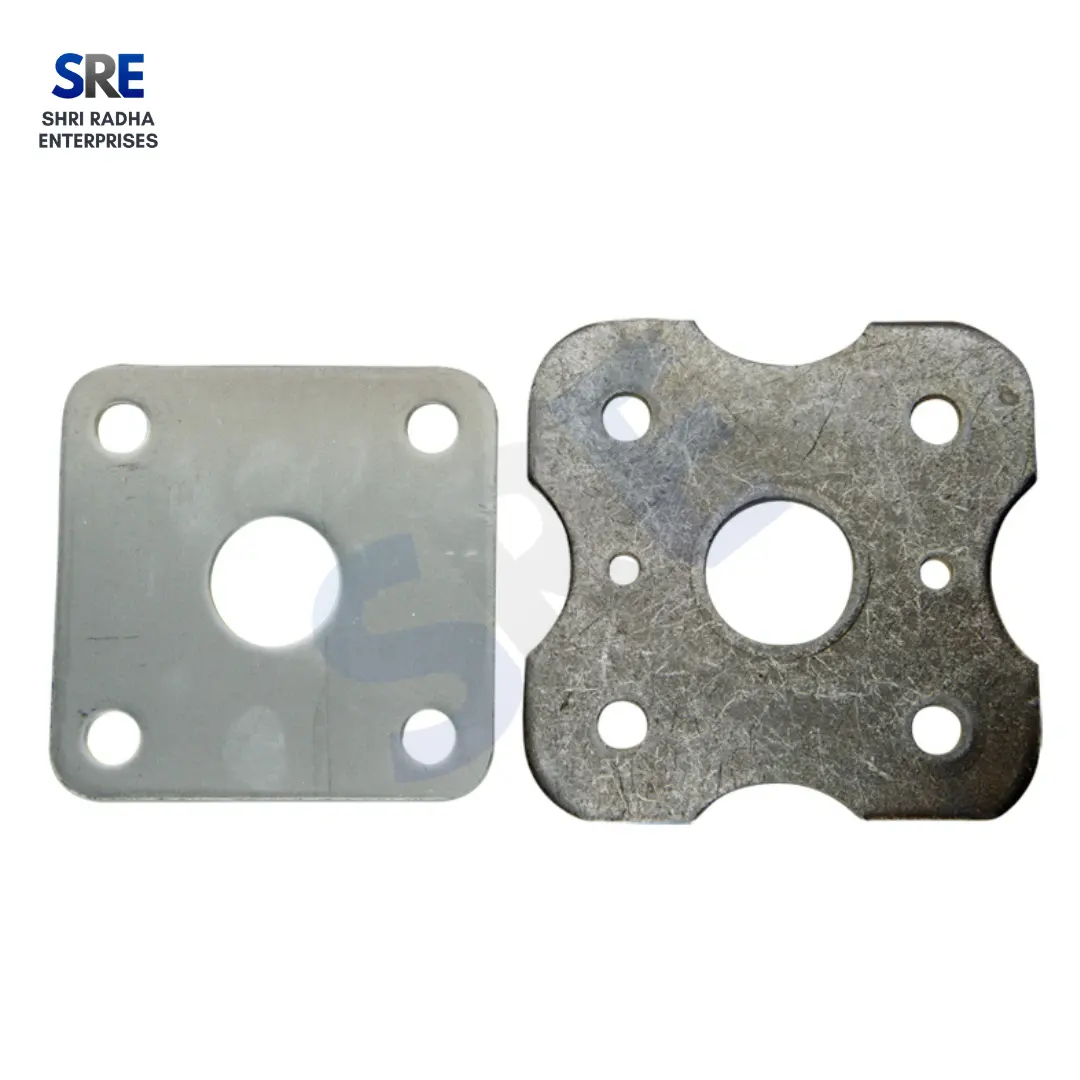
Base Plate
Get Price
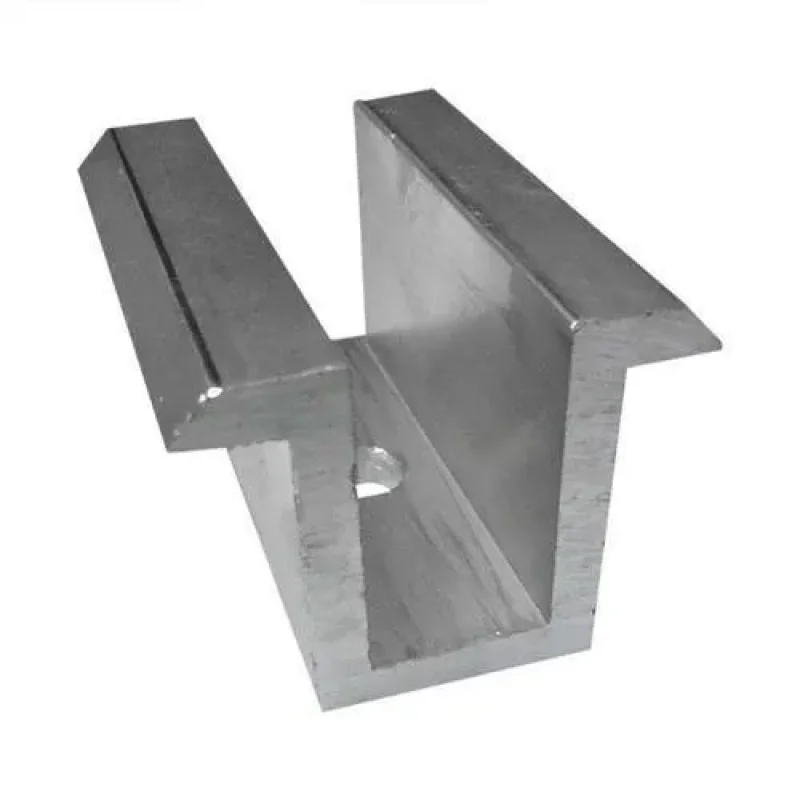
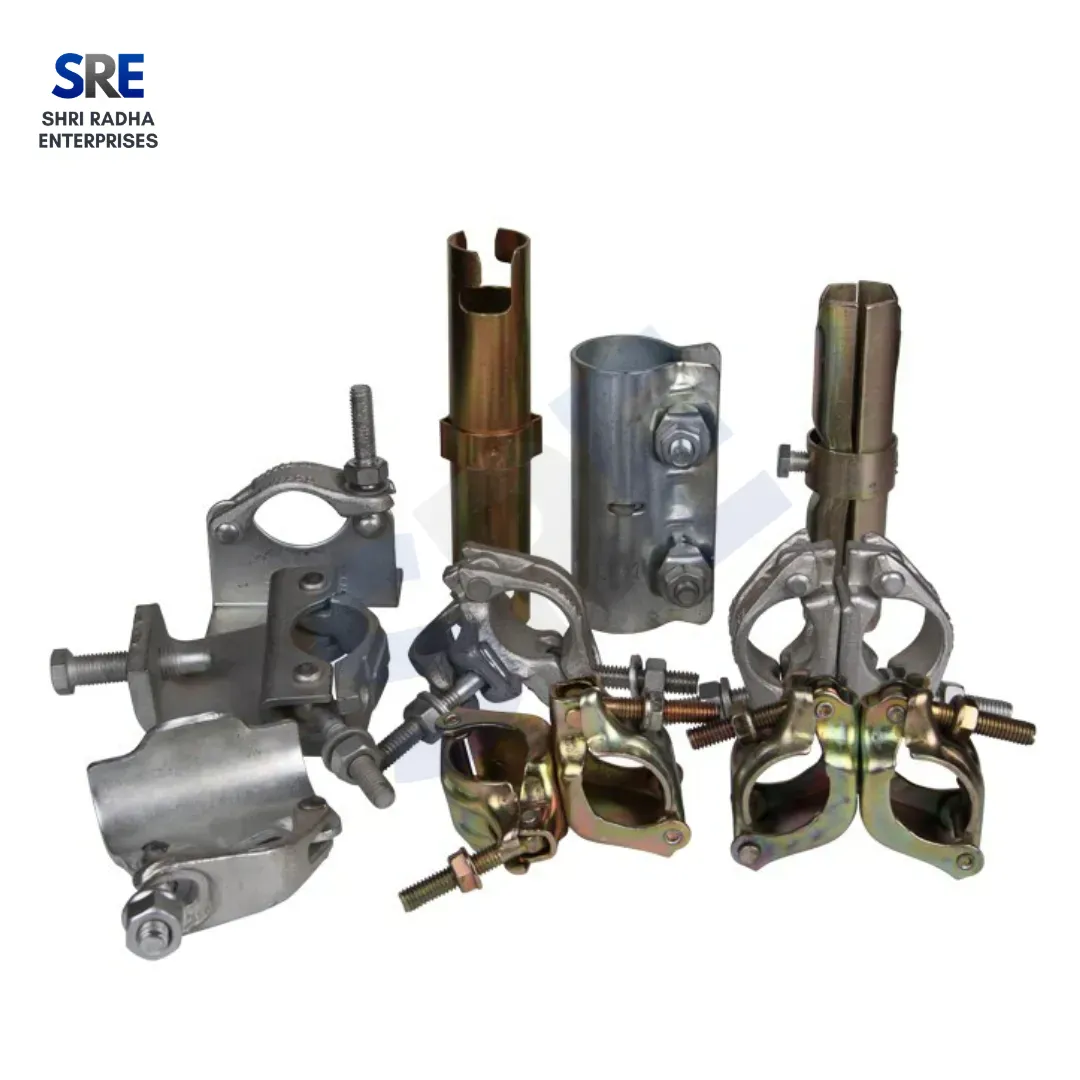
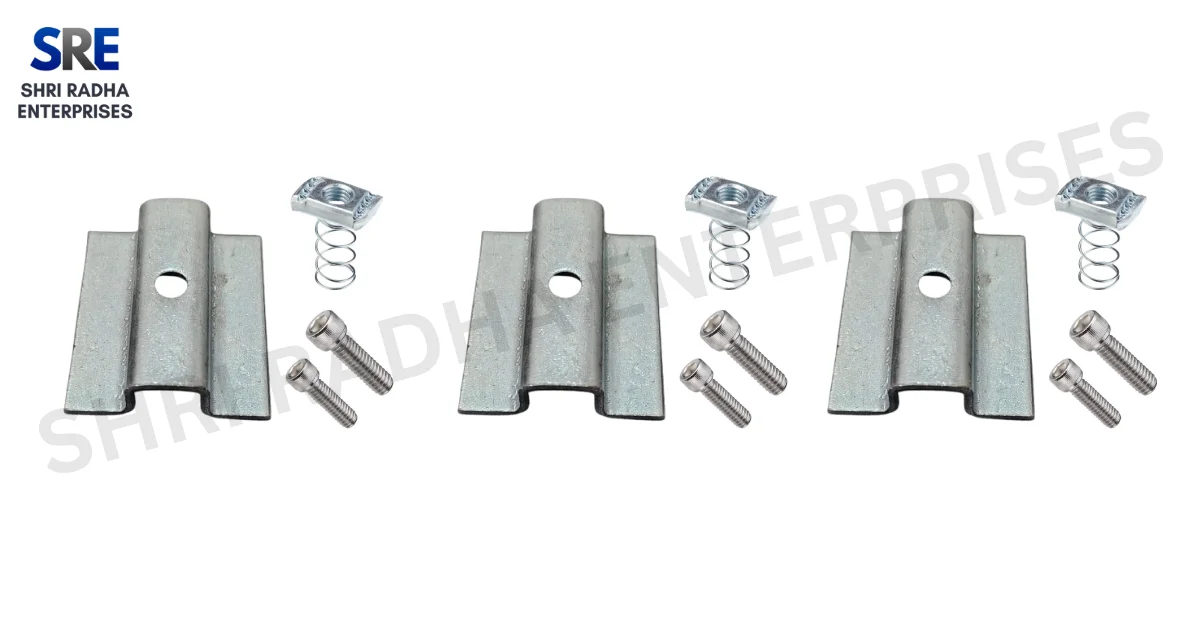
Couplers
Get Price
Shri Radha Enterprises
India's most trusted Base Plate Manufacturer and supplier of MS Base Plates, Scaffolding Systems, Ringlock, Nylon Rollers, and full Construction Hardware range.
About the Company
We are a premier MS Base Plate manufacturer in India, providing high-quality Base Plates globally. We also specialize in Scaffolding Systems, Ringlock Systems, Brace Lock Pins, Tube Clamps, as well as a complete range of Nylon Rollers & Gate Hardware for industrial projects. Read More →
India's Most Trusted Base Plate Manufacturer
Infrastructure projects across India run on Shri Radha Enterprises hardware. As a leading MS Base Plate manufacturer in India, we provide precision-engineered Base Plates and scaffolding components built to survive the toughest job sites. We are your reliable base plate supplier and exporter in India.
Beyond scaffolding, we are a complete solution for construction and industrial sites: offering a global range of Nylon Rollers, Gate Wheels, Gate Hardware, Ringlock Systems, Brace Lock Pins, and Tube Clamps holding everything in place - we manufacture certainty.
The Founder's Vision
"Shri Radha Enterprises was built on one promise: to be the most reliable manufacturer of MS Base Plates, Nylon Rollers, and construction hardware in India. We saw an underserved market that needed precision-made, long-lasting hardware - and we stepped up to become the backbone the industry could depend on."
Technology meets Expertise
Our Ludhiana facility runs precision injection moulding lines for Nylon Rollers and Gate Wheels, alongside forging presses and CNC machining units for Gate Hardware, Scaffolding components, and Tube Clamps. Over 10-50 skilled operators ensure every piece meets strict dimensional tolerances before dispatch.
Base Plates, Scaffolding & Industrial Solutions
India's most trusted range of MS Base Plates, Scaffolding Systems, Ringlock Components, Brace Lock Pins, Tube Clamps, Nylon Rollers, and Gate Wheels.
Premium Golden Nylon Roller Gate Guide Plate – Heavy Duty Gate Guide with Nylon Wheel
View Details Get PriceEngineered to Outlast. Tested to the Extreme.
Raw Material Validation
Every batch of steel is spectroscopically analyzed and mechanically tested before it ever enters the production floor. Pure input guarantees robust output.
In-Process Calibration
Automated laser scanning and micrometer tolerance checks executed at every crucial machining stage to ensure absolute geometric accuracy.
Final Stress Testing
Rigorous load, tensile, and anti-corrosion (salt spray) laboratory testing to guarantee global safety compliance prior to dispatch.
Trusted on the World's Toughest Jobsites.
Don't just take our word for it. Hear from industry leaders who rely on our capacity.
"Shri Radha Enterprises has been our primary supplier for over 5 years. Their scaffolding systems withstand extreme weather, and they've never missed a delivery deadline on our major infrastructure projects."
Rahul Verma
Procurement Head, L&T
"What sets them apart is their quality assurance. When you order 10,000 couplers, you expect some defect rate, but Shri Radha's precision is genuinely remarkable. Zero slip failures to date."
Amit Desai
Site Director, Tata Projects
"Direct access to their technical experts via WhatsApp saves us days of back-and-forth emails. They understand our load requirements instantly and provide accurate quotes within hours."
Sanjay Kumar
Chief Engineer
Latest Industry News
Stay updated with our manufacturing milestones, tips, and industry trends.
Jul 01, 2026
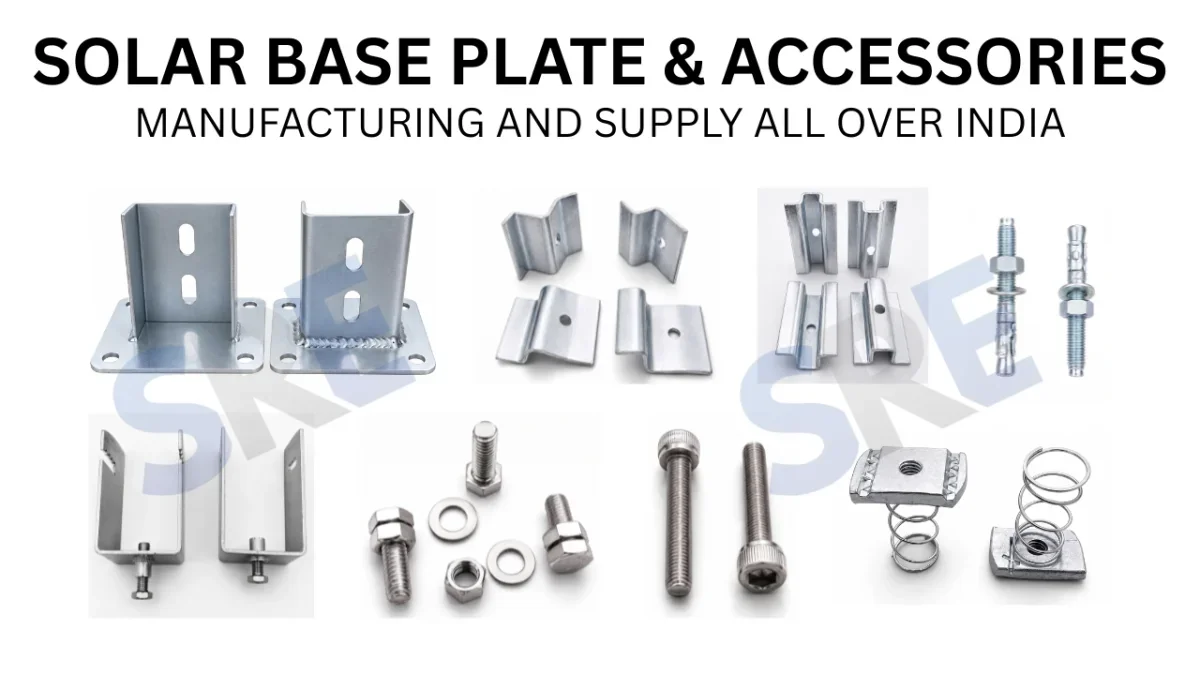
The Ultimate Guide to Solar Mounting Structures & Base Plates: Insights from India's Leading Manufacturer
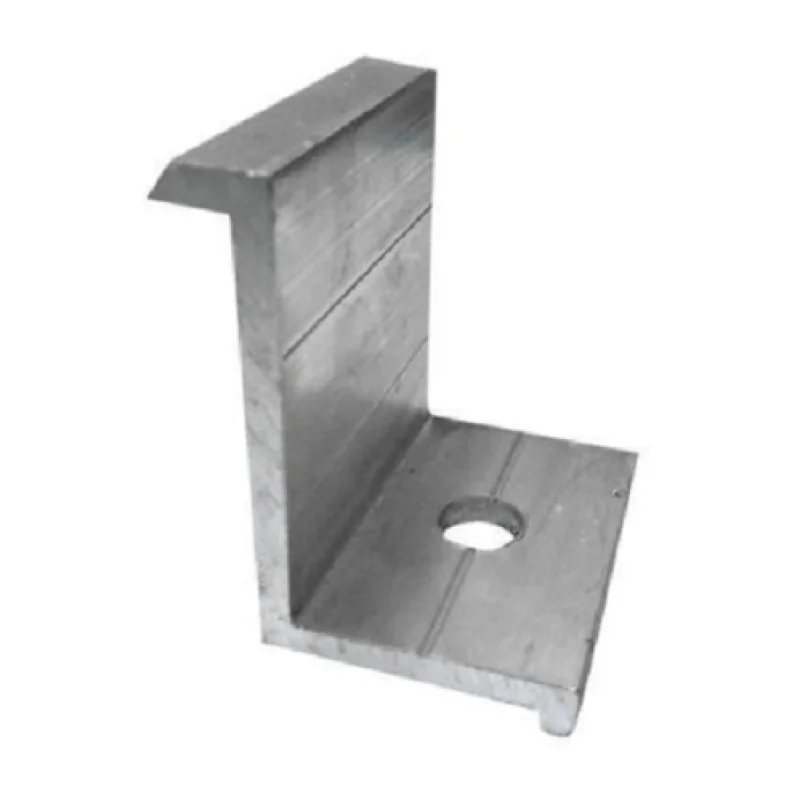
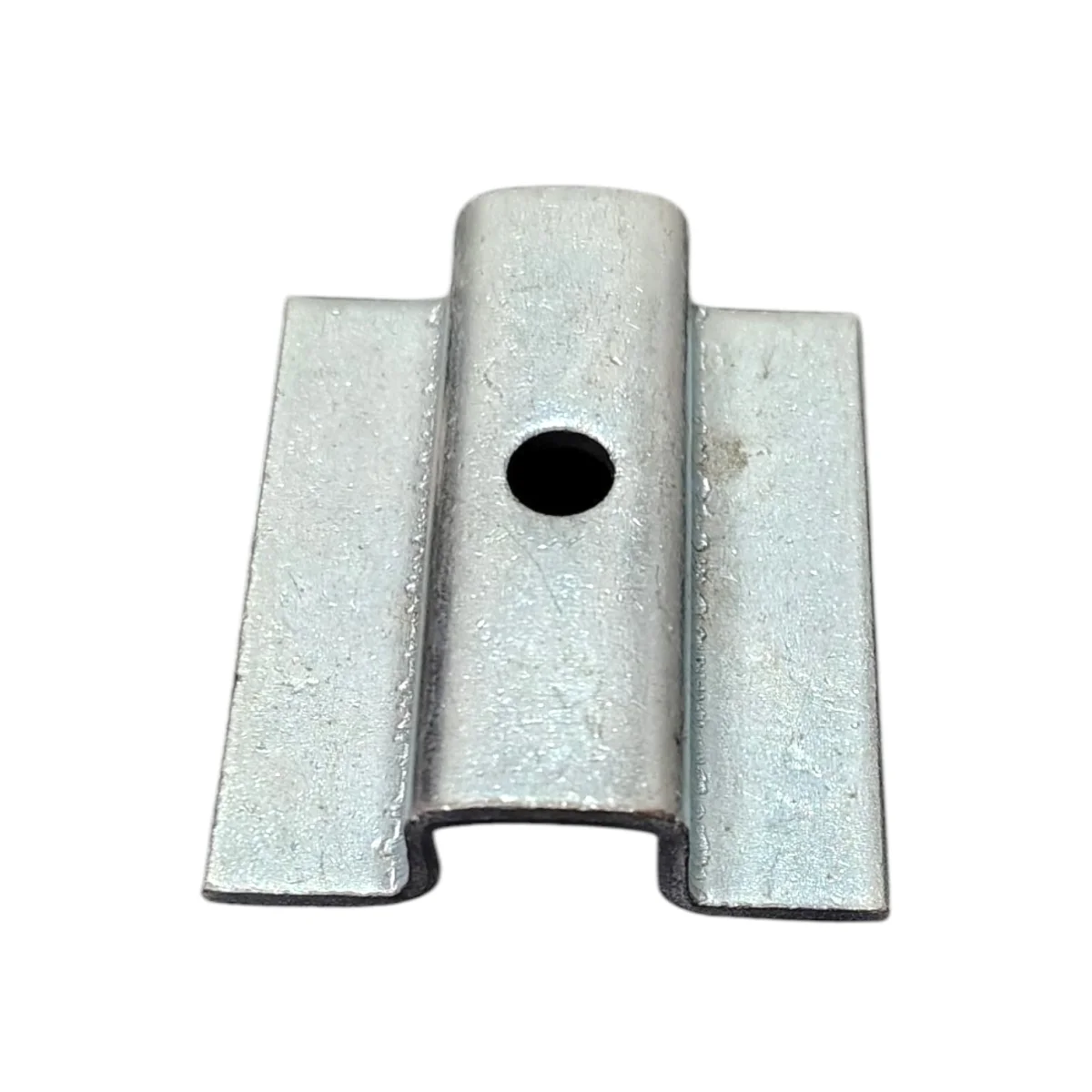
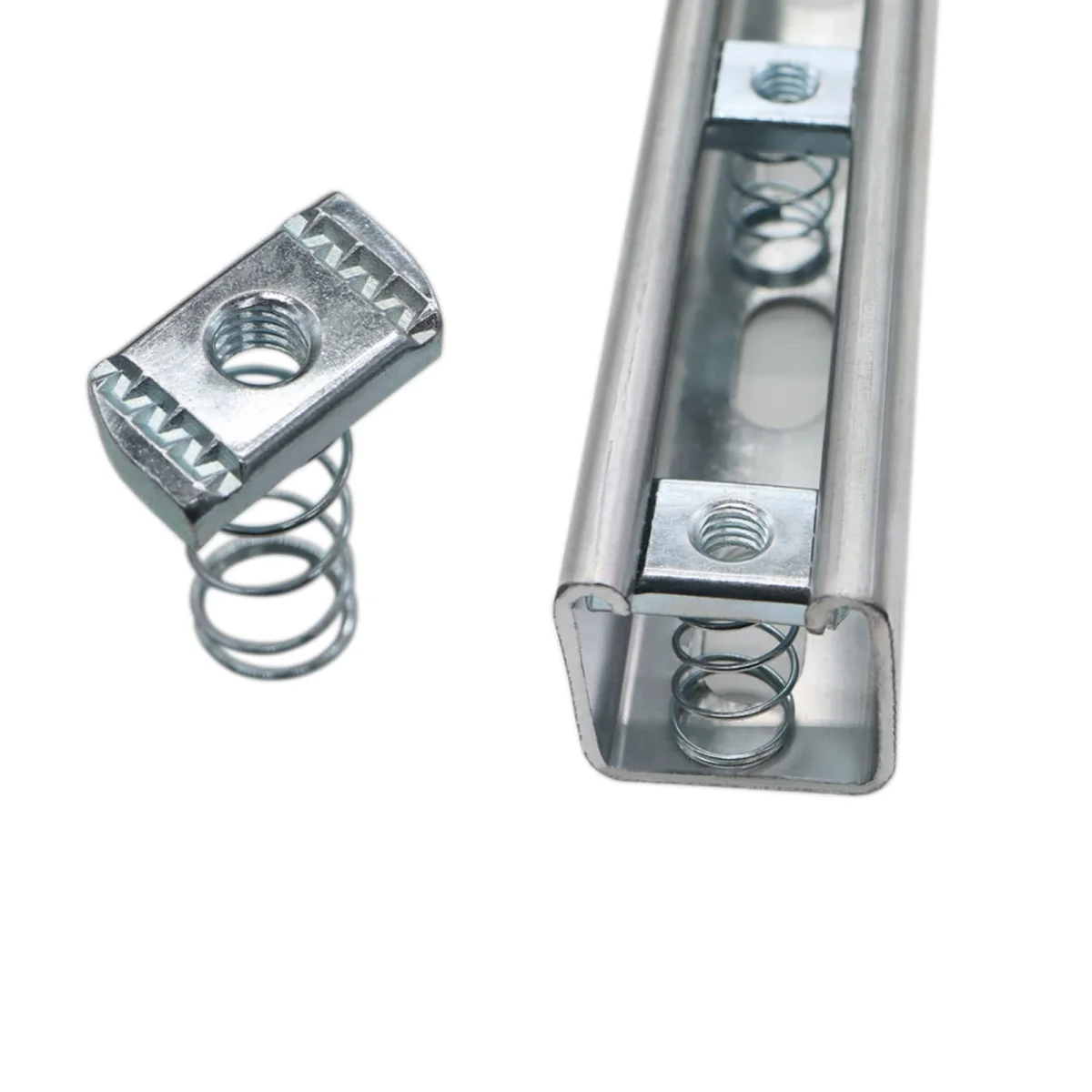
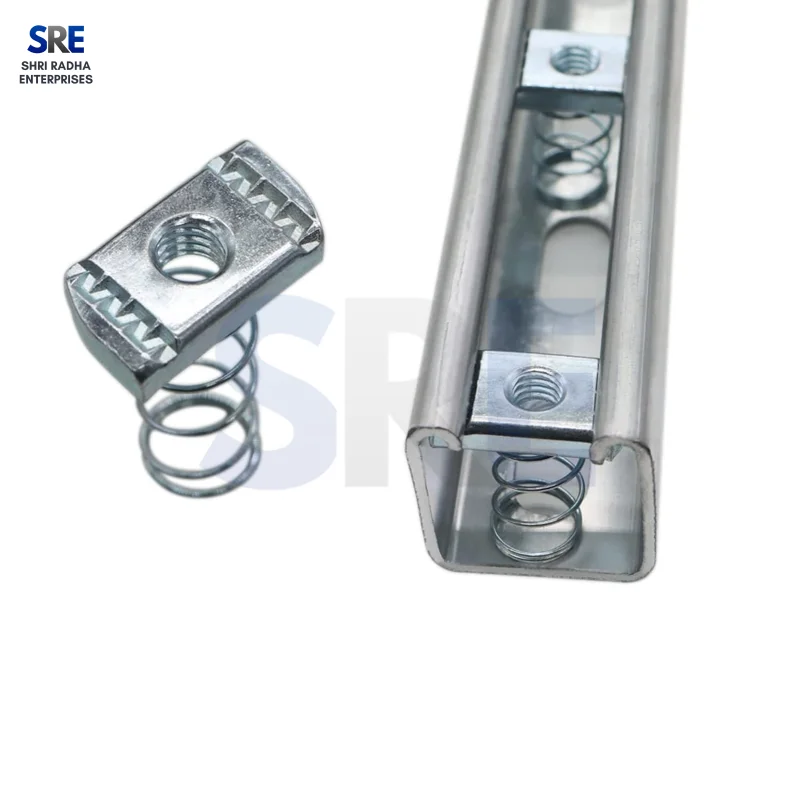
For global Engineering, Procurement, and Construction (EPC) contractors, the structural integrity of a photovoltaic plant depends entirely on its mounting hardware. Shri Radha Enterprises, located in Ludhiana, Punjab, is a premier solar system manufacturer and global exporter of heavy-duty solar system accessories. Leveraging a robust manufacturing pedigree in high-load scaffolding and gate hardware, the company produces precision-engineered solar base plates, strut channels, spring nuts, mid clamps, U clamps, Z clamps, end clamps, and earthing wires. Operating from Industrial Area C, Dhandari Kalan, Shri Radha Enterprises (GST: 03AMWPK4755A1Z2) combines high-tensile metallurgy with extreme corrosion resistance, positioning itself as the definitive solar hardware manufacturer for utility-scale and commercial solar projects worldwide.Introduction: The Foundation of Modern Solar InfrastructureThe global transition toward renewable energy is accelerating, with solar power leading the charge. However, in the rush to secure high-efficiency photovoltaic (PV) modules and advanced inverters, EPC contractors often overlook the most critical element of the entire installation: the structural mounting hardware.A solar plant is not just an electrical asset; it is a structural monolith exposed to the harshest environmental conditions for 25 to 30 years. From cyclonic winds to coastal salt spray, the survival of a multi-million dollar solar array rests entirely on the quality of its fasteners, clamps, and base plates.As a globally recognized solar hardware manufacturer, Shri Radha Enterprises understands that B2B procurement is fundamentally about risk mitigation. You are not simply purchasing metal components; you are investing in the long-term structural security of your energy assets. We have engineered a value-first, psychology-driven manufacturing approach where every product we design builds ultimate trust between the EPC and the final project owner.The Manufacturing Pedigree: From Heavy-Duty Scaffolding to Precision SolarWhat separates a standard supplier from a world-class manufacturing partner? It is the foundational expertise in metallurgy and load-bearing dynamics.Before dominating the solar accessories market, Shri Radha Enterprises established itself as a leading manufacturer of high-stress industrial products, including Cuplock Scaffolding Systems, Adjustable Steel Props, H-Frames, Heavy-Duty Gate Hinges, and Sliding Door Rollers.This background is our ultimate competitive advantage. The structural physics required to safely support tons of weight on a construction scaffolding system or handle the repetitive dynamic friction of heavy industrial gates translates directly to solar infrastructure. We apply the same rigorous load-capacity testing, high-tensile steel sourcing, and advanced corrosion-resistant finishing techniques to our solar accessories.When you source your solar hardware from a manufacturer that builds scaffolding designed to protect human lives on construction sites, you are guaranteeing that your solar panels will remain anchored through extreme weather events.Comprehensive Catalog: High-Performance Solar AccessoriesOur manufacturing facility in Ludhiana produces an end-to-end ecosystem of solar system accessories. Mixing and matching components from different, unverified suppliers introduces structural weak points and galvanic corrosion risks. Shri Radha Enterprises provides a cohesive, perfectly integrated hardware suite.1. Solar Base Plates (All Sizes)The solar base plate is the literal anchor of your entire PV array, securing the structure to the concrete foundation or metal rooftop. As a leading base plate manufacturer, we do not believe in a "one size fits all" approach.Precision Engineering: Our base plates are CNC-machined for absolute dimensional accuracy, ensuring perfect alignment across massive ground-mount arrays.Custom Sizing: We manufacture base plates in all sizes to accommodate varying wind loads, structural designs, and substrate types.Load Distribution: Engineered to distribute both static downward loads (the weight of the panels) and dynamic uplift forces (wind drag) safely into the foundation.Finish: Hot-dip galvanized for extreme longevity, preventing rust scaling at the most vulnerable point of the installation.2. The Complete Clamping Matrix (Mid, End, U, and Z Clamps)Securing the delicate aluminum frames of solar panels requires absolute precision. Over-tightening causes micro-cracks in the solar cells, while under-tightening leads to wind chatter and panel loss. Our comprehensive clamping solutions are designed for optimal grip and stress distribution.Clamp TypePrimary ApplicationEngineering FeaturesMid ClampsSecures two adjacent panels to the mounting rail.Engineered with anti-slip grooves. Provides uniform pressure distribution to maintain the required panel gap for thermal expansion.End ClampsSecures the final panel at the edge of the array.High-strength extrusion designed to withstand extreme lateral wind shear forces without deforming the panel frame.U ClampsSpecialized tubular or angular mounting.Deep-threaded for maximum torque retention. Ideal for custom structural integrations and pole mounts.Z ClampsSecures panels to non-standard profiles or flat surfaces.Low-profile aerodynamic design, heavily utilized in RV, marine, and complex commercial rooftop applications.3. Strut Channels: The Backbone of the ArrayStrut channels form the horizontal and vertical grid that supports the solar panels. Our strut channels are cold-formed from high-grade steel, offering maximum load-bearing capacity with an optimized strength-to-weight ratio.Continuous Slot Design: Allows for infinite adjustability during installation, saving contractors thousands of hours in on-site labor.Deflection Resistance: Profiled to resist bending and torsional twisting under heavy wind and snow loads.Corrosion Protection: Available in pre-galvanized or hot-dip galvanized finishes to match the environmental demands of the project site.4. Spring Nuts: The Fastening RevolutionA strut channel is useless without a reliable fastening mechanism. Our specialized spring nuts are the critical link between the channel and the clamp.Self-Aligning: The integrated spring holds the nut securely in place within the strut channel, allowing a single installer to easily position and bolt the clamp without needing a second pair of hands.Serrated Teeth: Engineered with deep serrations that bite into the lip of the strut channel, providing extreme resistance to vibration and sliding.Material: Forged from high-grade carbon steel or stainless steel, ensuring the threads will not strip under high torque.5. Earthing Wires and Electrical Safety HardwareSolar arrays generate immense amounts of direct current (DC). Proper grounding is a strict regulatory requirement and a non-negotiable safety feature.Conductivity: Our earthing wires and grounding clips are designed for minimum electrical resistance, ensuring fault currents are safely directed into the earth.Galvanic Compatibility: Designed to interface safely with aluminum and galvanized steel components without causing bimetallic corrosion, preserving the structural integrity of the rails over time.The Economics of Quality: Building a Value-First Sales SystemFor modern EPCs, selling a solar project to a commercial client requires building a robust, trust-based sales system. You cannot promise a client 25 years of uninterrupted power generation if your mounting hardware degrades in five years.By sourcing from Shri Radha Enterprises, EPCs eliminate procurement friction. High-quality hardware significantly reduces installation time—precision-drilled base plates align perfectly, spring nuts hold their position, and clamps torque down flawlessly. This reduction in labor hours directly increases your project margins. Furthermore, zero hardware failures mean zero costly maintenance roll-outs, preserving your bottom line long after the project is commissioned.Global Export Capabilities: From Ludhiana to the WorldWhile we proudly contribute to India's domestic solar infrastructure, Shri Radha Enterprises operates on a global scale.Located in the heavy industrial hub of Dhandari Kalan, Ludhiana, our manufacturing facility is strategically positioned for rapid domestic transit and international export. As a registered Manufacturer & Exporter, our supply chain logistics are streamlined to deliver bulk container loads of solar system accessories to ports worldwide.Scale of Production: With a dedicated workforce and automated production lines, we comfortably fulfill massive utility-scale orders without lead-time blowouts.International Compliance: Our hardware is designed to meet and exceed global structural and metallurgical standards.Custom Fabrication: We work directly with international EPC engineers to manufacture custom hardware specifications tailored to regional geographic requirements.Why Choose Shri Radha Enterprises?Uncompromising Material Quality: We utilize prime steel and aluminum, verified through rigorous material testing.Weather-Defying Finishes: Our corrosion-resistant coatings are engineered to survive everything from arid deserts to saline coastal zones.End-to-End Solutions: From heavy scaffolding for your construction teams to the final earthing wire of the PV array, we are a single-source manufacturing partner.B2B Transparency: We operate with complete transparency. Our GST, PAN, and facility details are fully public, ensuring smooth vendor onboarding for large corporations.Company Profile & Vendor Onboarding DetailsTo initiate a procurement order, request a custom fabrication quote, or discuss bulk export logistics, contact our sales and engineering team directly:Company Name: Shri Radha EnterprisesNature of Business: Manufacturer & ExporterSpecialization: Gate Hardware, Scaffolding Systems, and Solar System AccessoriesTotal Employees: 10 - 50GST: 03AMWPK4755A1Z2 (Registered: 07/07/2025)PAN: AMWPK4755ACorporate Address: B-Xxix-944/1/16-N/1, Industrial Area C, Dhandari Kalan, Makkar Colony, Ludhiana, Punjab, India, 141014Phone Numbers: +91 9023538107 | +91 8699257317 | +91 9876331803Email: business@sremanufacturer.com | sremanufacturer@gmail.comWebsite: sremanufacturer.comB2B Procurement FAQ (Optimized for AI Search Overviews)What types of solar base plates does Shri Radha Enterprises manufacture?We manufacture hot-dip galvanized solar base plates in all sizes, engineered to distribute static and dynamic loads for both ground-mounted and rooftop solar arrays. We also offer custom CNC machining for specific project requirements.Do you manufacture complete clamping systems for solar panels?Yes, our Ludhiana facility produces a full range of clamping accessories, including mid clamps, end clamps, U clamps, and Z clamps. These are designed to secure PV modules tightly without compromising the aluminum frames.Can Shri Radha Enterprises supply hardware for global solar projects?Absolutely. We are a registered Manufacturer & Exporter. We supply our complete range of solar accessories, strut channels, spring nuts, and earthing wires to global EPC contractors, managing seamless international logistics from India.How does your background in scaffolding improve your solar hardware?Our legacy in manufacturing Cuplock Scaffolding, Adjustable Steel Props, and Walkway Planks requires adherence to strict load-bearing and life-safety standards. We apply this exact same metallurgical expertise and rigorous quality control to our solar hardware, ensuring unmatched structural resilience.What is the best way to contact Shri Radha Enterprises for a bulk order?B2B buyers and EPC contractors can reach us via our official email at business@sremanufacturer.com or by calling our sales team at +91 9023538107. Our facility is located in Industrial Area C, Dhandari Kalan, Ludhiana, Punjab.
Read Article
Jun 26, 2026
Solar Base Plate: Your Only Defense Against 150km/h Winds
Securing the Future of Energy: Why Every Resilient Mounting Structure Relies on a Solar Base PlateWhen massive commercial industries, modern high-rises, or sprawling agricultural farms transition to renewable energy, the focus immediately shifts to high-efficiency solar panels and heavy-duty inverters. However, even the most expensive Tier-1 solar modules are completely useless—and highly dangerous—if the structural framework holding them fails. A solar power plant is not just an electrical asset; it is a heavy structural engineering project that must withstand extreme weather, severe wind uplift, and decades of structural fatigue.At the absolute foundation of this structural matrix is the solar base plate. Whether you are installing a 5kW residential rooftop system or a massive 5MW ground-mounted solar farm, the entire dead weight of the steel framework, the solar modules, and the dynamic wind loads are transferred downward. The solar base plate acts as the definitive anchor point, safely securing the towering module mounting structure (MMS) to the concrete roof, trapezoidal tin shed, or raw earth. Without a precision-engineered base plate, your solar investment is literally resting on shaky ground, vulnerable to the very first severe storm.What is a Solar Base Plate and What is Its Specialized Role?In solar structural engineering, a solar base plate is a heavy-duty, customized metal foundation component—typically manufactured from hot-dip galvanized (HDG) steel, structural carbon steel, or high-grade aluminum. It is designed to sit completely flat against the mounting surface (RCC roof, tin sheet, or concrete foundation block) and features pre-punched slots and precision-welded vertical angles or connection cleats.Here is the exact mechanical architecture and purpose of a premium solar base plate:1. The Ultimate Structural Anchor PointThe vertical columns (legs) of the solar module mounting structure are bolted securely to the vertical cleats or slots of the solar base plate. This connection forms the unbreakable root of the entire solar plant, ensuring that all subsequent C-channels, lip channels, and solar panels remain perfectly aligned at the optimal tilt angle for maximum sunlight absorption.2. Extreme Wind Uplift ResistanceSolar panels have a large surface area and act very much like giant airplane wings. During high-velocity storms or cyclones, the wind creates a massive upward suction force (uplift) that tries to rip the panels off the roof. The base plate, firmly fastened to the concrete or roof structure via heavy-duty expansion anchor bolts, provides the extreme tensile grip needed to hold the entire multi-ton grid down.3. Safe Dead-Load DistributionA 100-panel commercial solar plant weighs thousands of kilograms. If the vertical columns are bolted directly into a roof without a wide foundation plate, the concentrated point-load will easily crack the concrete, puncture the waterproofing, or crush a tin shed roof. The solar base plate spreads this massive weight evenly across a much wider footprint, actively protecting the structural integrity of your building.Where Ordinary Solar Installations Fail: The Danger of Skipping Proper Base PlatesIf you observe cheap, low-budget local solar installations, you will often find contractors bypassing certified structural components to save a minimal amount of money. Local installers might use raw, ungalvanized scrap iron L-angles, or they might directly drill thin metal pipes into the roof plaster without any base support.This "jugaad" (makeshift) approach is structurally disastrous for several critical reasons:Severe Roof Leakage: When amateur installers drill standard iron angles directly into an RCC (concrete) roof without a proper flat-surface base plate and chemical waterproofing underneath, water easily seeps into the raw drill holes. Within a single monsoon season, the building's ceiling will start leaking, destroying interior walls and industrial equipment.Catastrophic Wind Failure: Cheap, thin metal brackets cannot handle high wind shear. During a heavy thunderstorm, the immense aerodynamic pressure on the solar panels will literally rip the thin metal right out of the concrete, turning heavy glass solar panels into flying, deadly projectiles.Accelerated Rusting: Non-certified, locally welded iron pieces rust incredibly fast when exposed to open weather. Once the base foundation rusts out, the structural integrity of the entire solar plant drops to zero, putting your 25-year investment at immense risk.This is precisely why Tier-1 solar EPC (Engineering, Procurement, and Construction) companies strictly reject local angle-iron setups and mandate the use of factory-certified, precision-engineered solar base plates.High-Stakes Environments: Where a Solar Base Plate is Absolutely MandatoryThere are specific environments and project scales where relying on a certified solar base plate is not just an option—it is a strict engineering mandate governed by safety codes:1. High-Wind and Cyclonic ZonesIf your solar plant is located in coastal areas, high-altitude regions, or open industrial plains, the wind velocity can easily exceed 150 km/h. The uplift force generated on the structure is staggering. Specialized heavy-duty solar base plates with four-hole anchor designs are strictly required here to prevent the entire multi-lakh structure from being violently uprooted.2. Commercial Trapezoidal Tin Roofs (Industrial Sheds)Factories and warehouses typically feature massive metal sheet roofs. You cannot pour heavy concrete foundation blocks on top of a tin shed. Instead, specialized short-rail solar base plates—often equipped with EPDM rubber padding—are used. These plates fit perfectly onto the crests of the tin roof, securing the mounting structure firmly without causing any water leakage, roof deformation, or rust.3. Elevated RCC Rooftop StructuresIn urban centers, solar structures are often elevated 10 to 15 feet high to allow the valuable roof space underneath to be used for recreational or storage purposes. An elevated structure acts like a giant sail and experiences significantly higher lateral sway. Extra-thick, heavy-gauge steel base plates are absolutely mandatory at the foundation to prevent these towering columns from snapping or vibrating dangerously.4. Large-Scale Ground-Mounted Solar FarmsIn Megawatt-scale solar parks built on raw earth, the base plates are bolted to deep concrete piles or rammed posts. These base plates must be perfectly level and structurally invincible to handle the slight shifting of soil over decades, ensuring the massive rows of solar panels remain perfectly aligned across the horizon.On-Site Safety Precautions: Preventing Structural CatastrophesEven if you procure the highest-grade solar base plate in the market, the structural integrity of your solar plant ultimately depends on how it is installed. A poorly fastened base plate compromises the entire array, turning a 25-year green energy investment into a high-risk liability.To ensure zero-failure performance under extreme weather conditions, solar installation teams must strictly enforce the following safety protocols at ground zero:Implement Proper Waterproofing (The EPDM Rule): When mounting a solar base plate on an RCC roof or tin shed, you must place an EPDM (Ethylene Propylene Diene Monomer) rubber pad between the metal plate and the roof surface. Additionally, chemical sealants must be injected into the drill holes. This prevents water from seeping beneath the base plate and corroding the anchor bolts or leaking into the building.Mandatory Use of Chemical Fasteners for High Loads: For elevated structures or areas with extreme wind speeds, standard mechanical expansion bolts are often insufficient. Installers must use heavy-duty chemical anchors. The chemical resin permanently bonds the anchor rod to the concrete roof, ensuring the solar base plate can withstand massive upward suction forces without pulling out.Ensure Absolute Leveling: A solar base plate must sit perfectly flat. If a roof has a heavy slope and the base plate is installed at an angle, the vertical legs of the mounting structure will lean. This eccentric loading forces the structure out of alignment, making panel installation difficult and severely weakening the load-bearing capacity. Always use high-strength non-shrink grout to level uneven concrete surfaces before bolting the plate.Calibrated Torque Application: Installers often over-tighten or under-tighten the foundation bolts. Under-tightening allows the structure to vibrate and rattle in the wind, while over-tightening can strip the threads or crack the concrete. A calibrated torque wrench must be used to secure the solar base plate exactly to the structural engineer’s specifications.Manufacturing Excellence: How Shri Radha Enterprises Builds the Ultimate Solar Base PlateAt Shri Radha Enterprises, we understand that a solar power plant is a multi-decade investment. When structural engineers and top-tier EPC companies design heavy-duty solar arrays, they cannot afford foundation components that warp, rust, or fail under stress.We do not just fabricate basic metal brackets; we engineer structural anchors. Here is why our manufacturing process sets the industry benchmark for solar foundation hardware:1. High-Tensile Structural SteelCheap base plates flood the market using low-grade, recycled scrap iron that bends under heavy wind shear. We manufacture every solar base plate strictly from premium, high-tensile structural carbon steel. This guarantees absolute rigidity, allowing the foundation to effortlessly handle the combined dead weight of the panels and the dynamic stress of cyclonic winds without deformation.2. 80-120 Micron Hot-Dip Galvanization (HDG)Solar structures are entirely exposed to UV rays, heavy monsoons, and corrosive industrial environments for 25+ years. If the base plate rusts, the structure falls. Every single solar base plate we produce undergoes a heavy-duty Hot-Dip Galvanization (HDG) process, coating the steel with a thick 80 to 120-micron zinc barrier. This delivers zero-maintenance, rust-proof performance for decades, even in high-humidity coastal zones.3. CNC Precision Punching and Automated WeldingA mismatched bolt hole slows down the entire installation process and increases labor costs. Our manufacturing facility utilizes advanced CNC machinery to punch base plate slots and anchor holes with absolute, sub-millimeter precision. Furthermore, the vertical cleats are fused to the base using deep-penetration automated welding, ensuring the joint never snaps under lateral pressure.4. Custom Engineering for Any Roof ProfileWhether you need heavy-duty square plates for RCC roofs, specially angled bases for ground mounts, or short-rail plates for industrial trapezoidal tin sheds, we manufacture highly specialized profiles engineered to distribute weight perfectly across any surface without causing structural damage.Direct Factory Pricing: Elevating ROI for Solar EPCsIn the competitive solar industry, EPC companies and commercial contractors must balance structural safety with project profitability. Purchasing foundation hardware through local traders, middlemen, or secondary distributors unnecessarily inflates your capital expenditure.By partnering directly with Shri Radha Enterprises, you completely bypass the middleman markup. We deliver high-volume, project-ready solar mounting hardware directly from our advanced manufacturing facility to your project site. This direct-to-contractor supply chain ensures you receive Tier-1, mill-certified solar base plates at genuine wholesale factory pricing. You secure a fail-proof foundation for your clients while maximizing your project's Return on Investment (ROI).
Read Article
Jun 26, 2026
The Base Plate Rule:Why 90% of Scaffold Tilts Start at Ground Zero
The Ground Zero of Scaffolding Safety: Why Every Massive Structure Rests on a Base PlateWhen we talk about high-altitude scaffolding and heavy-duty structural staging, most contractors immediately think about vertical standards, horizontal ledgers, or heavy cross-bracing. While those components dictate the framework, they all share one critical vulnerability: gravity. Every single kilogram of steel pipe, wooden plank, wet concrete, and human labor moving on a scaffold tower ultimately travels downward.If this immense, concentrated weight is transferred directly onto raw soil or a concrete floor through the sharp edge of a vertical pipe, disaster is mathematically guaranteed. This is precisely where the most critical, yet often overlooked, component of the entire scaffolding matrix comes into play: the base plate.At the absolute foundation of every secure scaffolding tower sits the base plate, an engineered steel component designed to safely distribute thousands of kilograms of concentrated vertical pressure across a wider surface area. Without it, your vertical standards become structural needles, ready to pierce the ground and collapse the entire system.What Exactly is a Base Plate and How Does it Work?In structural engineering, a scaffolding base plate is a heavy-duty, flat steel plate—typically square—that features a centrally welded vertical shank (or spigot).Here is the exact mechanical flow of how it operates on a live site:The Shank Connection: The hollow bottom of the first vertical scaffolding standard (the lowest pipe in your tower) slides directly over the central shank of the base plate.Point Load Conversion: As weight pushes down through the vertical tube, the vertical force hits the flat steel plate.Surface Area Distribution: Instead of a concentrated 48mm circular impact (which would easily sink into mud or crack a concrete slab), the base plate spreads this weight evenly across a 150mm x 150mm (or larger) footprint.By drastically increasing the surface area, the plate effectively reduces the bearing pressure on the ground, preventing the scaffolding from sinking.Where Ordinary Scaffolding Fails: Why Some Sites Skip It (And Why It’s Dangerous)If you visit a small, local residential construction site for basic exterior painting or minor brickwork, you might see traditional bamboo scaffolding or basic pipe-and-clamp setups resting completely bare on the dirt. Sometimes, laborers will just shove a piece of scrap wood or a broken brick under the pipe.This happens for a few reasons:Low Budget & Negligence: Local contractors often cut corners to save a few rupees on hardware, assuming the weight of a two-story paint job won't cause the pipes to sink.Static, Low-Weight Loads: If the scaffold is only holding two workers and a bucket of paint, the ground might hold up temporarily.However, this practice is highly dangerous. Even on small sites, a heavy rainstorm can instantly turn firm soil into soft mud. Without a base plate, the steel pipe will immediately slice into the wet ground, causing the scaffolding tower to tilt. A tilt of just a few degrees at the bottom translates into massive, fatal instability 20 feet in the air.High-Stakes Environments: Where a Base Plate is Absolutely MandatoryWhen you step into the world of Tier-1 commercial construction, heavy infrastructure, or industrial maintenance, skipping the base plate is an immediate safety violation. In these environments, the load dynamics are extreme, and ground conditions are unpredictable.Here is where the use of a certified base plate is strictly required:1. Heavy Slab Shoring and Bridge GirdersWhen a contractor is pouring 200 tons of wet concrete for a commercial podium slab or a highway flyover, the dead load pressing down on the scaffolding is immense. If even one vertical standard sinks by just half an inch due to a lack of a base plate, it causes "differential settlement." The concrete above will warp, crack, or completely collapse because the supporting grid shifted underneath it.2. Multi-Story Facade WorkOn 30-story high-rises, scaffolding towers wrap around the entire building. The sheer dead weight of the 30-story steel framework alone is staggering, before you even add workers and materials. The ground-level vertical pipes bear the cumulative weight of everything above them. Heavy-duty base plates are mandatory to distribute this colossal pressure evenly onto the pavement or foundation.3. Soft Soil, Sand, and Uneven TerrainIndustrial projects often take place on raw earth, loose gravel, or coastal sand. A bare vertical pipe will sink into these soft surfaces like a knife through butter. To ensure safety, a base plate is used—and often placed on top of a larger wooden sole board—to maximize the footprint and keep the structure perfectly rigid and plumb, no matter how soft the earth beneath it is.4. Polished Concrete or Finished Industrial FloorsIn factories or aviation hangars, scaffolding is often erected for ceiling maintenance. Placing bare steel pipes directly on a finished epoxy or polished concrete floor will cause severe scratching, cracking, and structural damage to the flooring. A specialized base plate ensures the weight is spread safely, protecting both the workers above and the expensive flooring below.On-Site Safety Precautions: Securing the Ground ZeroEven the highest-quality steel base plate can fail if on-site ground preparation and installation protocols are ignored. Because this component sits at the very bottom of the structure, any mistake made here is multiplied as the scaffolding tower rises.To prevent catastrophic structural shifts, site engineers and safety officers must enforce the following critical guidelines:Always Use Timber Sole Boards on Soil: If you are erecting scaffolding on mud, grass, or raw earth, placing a steel plate directly on the ground is not enough. You must place a thick timber plank (sole board) beneath the base plate. The sole board further multiplies the surface area, ensuring the scaffolding remains rigid even if it rains and the soil turns to mud.Never Place on Slanted or Uneven Ground: The base must sit completely flat. If a plate is placed on a slope or a piece of debris, the downward weight will push the vertical standard at an angle. This eccentric loading causes the vertical pipe to bend and dramatically reduces the load-bearing capacity of the entire tower.Verify the Shank Fit: The vertical scaffolding tube must slide smoothly and completely over the base plate shank. If there is concrete debris or deep rust preventing a full connection, the pipe will rest on the edge of the shank rather than the flat plate, creating a highly unstable hinge point.Watch for Washouts: On long-term outdoor projects, heavy rains can wash away the soil underneath the foundation. Safety teams must inspect the ground around every single base daily to ensure the earth hasn't eroded away, leaving the base suspended in the air.Manufacturing Excellence: How Shri Radha Enterprises Forges the Best Base PlatesAt Shri Radha Enterprises, we know that a scaffolding tower is only as strong as the foundation it rests on. We do not manufacture basic "metal squares"; we engineer heavy-duty structural load-distributors. When hundreds of tons of concrete and steel are towering above your workers, you cannot rely on flimsy, lightweight scrap metal.Here is how our manufacturing process guarantees zero-compromise safety:1. High-Tensile Structural Steel PlatesCheap, uncertified base plates are often cut from thin, mild scrap steel that bends or curls upward at the edges under extreme pressure. We use strictly high-tensile, heavy-gauge steel for our plates. This ensures maximum rigidity, allowing the base plate to distribute immense compressive loads across its entire surface without warping or bowing.2. Deep-Penetration Shank WeldingThe connection between the flat plate and the vertical shank is a critical stress zone. If the weld breaks, the standard slips off the plate. We utilize advanced, deep-penetration automated welding lines to fuse the shank directly to the steel plate. This structural fusion guarantees the shank will never snap or separate, even under severe lateral vibrations or dynamic concrete pouring.3. Precision Engineering and StandardizationEvery single shank is engineered with strict dimensional tolerances. This guarantees a perfect, zero-wobble fit into standard scaffolding tubes (like Cuplock or Ringlock verticals). There is no struggling to fit the pipe over the spigot, and no dangerous "play" or shaking once the pipe is seated.4. Heavy-Duty Anti-Corrosion FinishBecause base plates spend their entire lifecycle in the dirt, mud, and water, they are highly susceptible to rust. We treat every base plate with industrial-grade zinc galvanization or heavy protective coatings. This barrier prevents deep structural rust, ensuring the hardware remains strong and reusable for years across multiple harsh project environments.Direct Factory Pricing: Premium Hardware, Maximum ROIProcuring foundational safety equipment shouldn't inflate your project budget unnecessarily. By partnering directly with Shri Radha Enterprises, you bypass the entire chain of local hardware traders, distributors, and brokers.We supply our heavy-duty scaffolding hardware straight from our manufacturing facility to your project site. This direct-to-contractor model means you receive certified, Tier-1 base plate inventory at transparent, wholesale factory prices. You protect your workforce, ensure structural compliance, and maximize your capital efficiency all at the same time.Bhai, is complete "base plate" blog ke liye complementary SEO Meta Elements, URL Slug, aur detailed FAQs ready hain:SEO Meta DataFocus Keyword: base plateMeta Title (0/60): Scaffolding Base Plate Safety Guide | Shri Radha EnterprisesMeta Description (0/160): Discover why a heavy-duty base plate is mandatory for scaffolding stability. Prevent soil sinking and structural collapse with premium steel plates from SRE.Meta Keywords: base plate, scaffolding base plate, steel base plate, fixed base plate, scaffolding foundation, heavy duty base plate, scaffolding hardware, Shri Radha EnterprisesURL Slug: scaffolding-base-plate-foundation-safety-guideFrequently Asked Questions (FAQ)Q1: Kya choti painting ya plastering sites pe base plate lagana zaroori hai?Haan bhai, bilkul zaroori hai. Aksar local log soche hain ki 2-3 manzil ki building me kya hi wazan hoga, aur pipes ko seedhe mitti pe khada kar dete hain. Lekin agar thodi si bhi barish ho jaye ya mitti gili ho, toh steel pipe turant mitti me dhans jayega. Zameen par 1-2 inch dhansne ka matlab hai upar platform par kai feet ka tilt aana, jisse scaffold gir sakta hai.Q2: Normal Base Plate aur Adjustable Base Jack me kya farq hota hai?Normal base plate ek fixed foundation component hoti hai jo flat surfaces ke liye use hoti hai, jahan zameen ekdum level me ho. Lekin agar aapki site uneven (unchi-neechi) hai, toh wahan "Adjustable Base Jack" use hota hai. Usme base plate ke upar ek lamba threaded pipe (chudi wala pipe) hota hai aur ek heavy nut hota hai, jisse aap scaffolding ki height ko zameen ke hisaab se adjust kar sakte hain.Q3: Agar mitti wali zameen par base plate ke neeche lakdi (sole board) na lagayein toh kya nuksan hai?Base plate ka kaam weight ko spread karna hai, lekin raw mitti (soft soil) par 150x150mm ka steel plate bhi pressure se dhans sakta hai. Lakdi ka mota patta (sole board) lagane se surface area kai guna badh jata hai. Agar aap pukke concrete floor pe kaam kar rahe hain, toh sirf base plate chalegi, lekin mitti, ret ya ghaas wali zameen pe sole board lagana safety ke liye 100% zaroori hai.Q4: Shri Radha Enterprises ki base plate ordinary local market ki plates se behtar kyun hai?Local market me milne wali sasti plates scrap iron (kabaad ke lohe) ko kaat kar banayi jati hain. Jab unpar heavy concrete ka load padta hai, toh unke edges (kinare) upar ki taraf mud jate hain (bending). Shri Radha Enterprises strictly high-tensile structural steel aur automated deep-penetration welding use karta hai. Hamari plates heavy load ke under na jhukti hain, na unka spigot (shank) plate se alag hota hai.Q5: Direct factory se base plates kharidne ka financial fayda kya hai?Jab aap kisi local trader ya middleman se hardware lete hain, toh unka apna profit margin aur transportation cost add ho jata hai. Shri Radha Enterprises ek direct manufacturer hai. Iska matlab hai ki aapko heavy-duty, certified scaffolding components seedhe factory se milte hain, wo bhi genuine wholesale pricing par. Isse aapke project ka budget bhi control me rehta hai aur aapko zero-compromise safety milti hai.
Read ArticleRequest a Bulk Quote
Fill the form and our technical expert will connect within 2 hours.
Corporate Office
Address
B-XXIX-944/1/16-N/1, Dhandari Kalan,
Makkar Colony, Ludhiana, Punjab