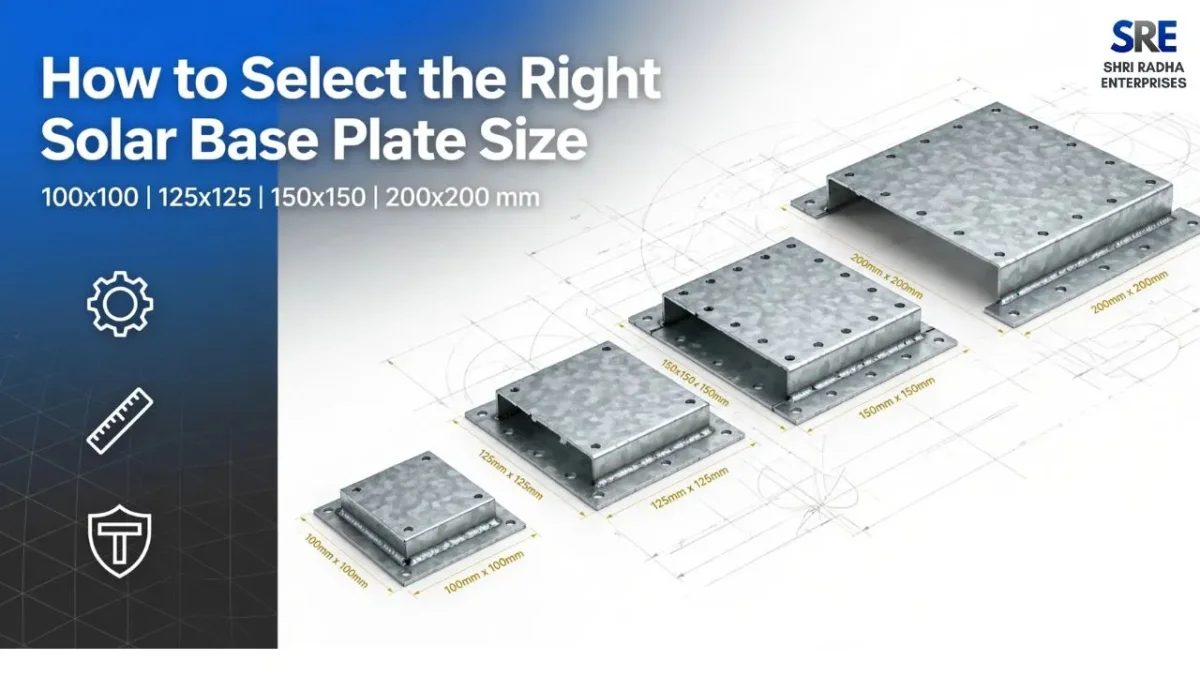
How to Select the Right Solar Base Plate Size (100×100, 125×125, 150×150 & 200×200)
Featured Products
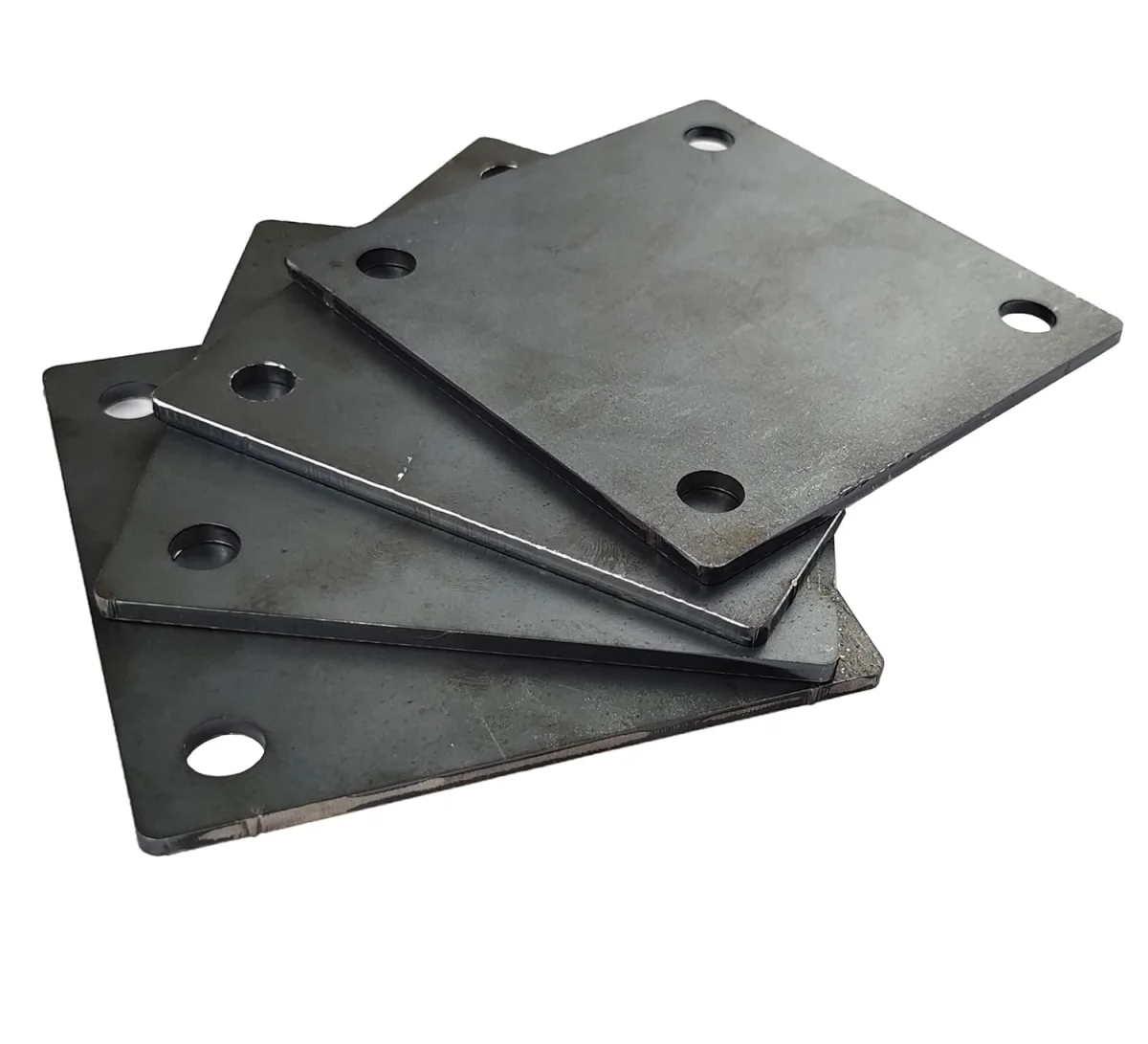
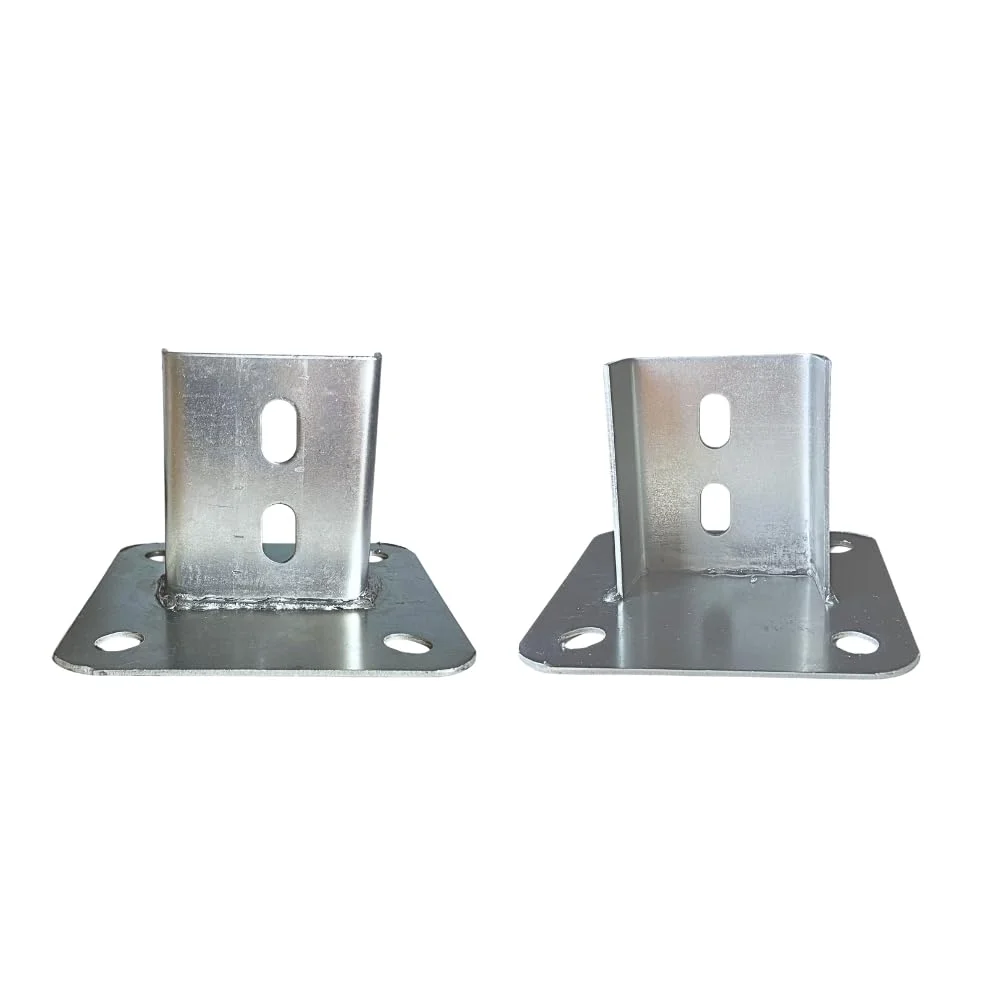
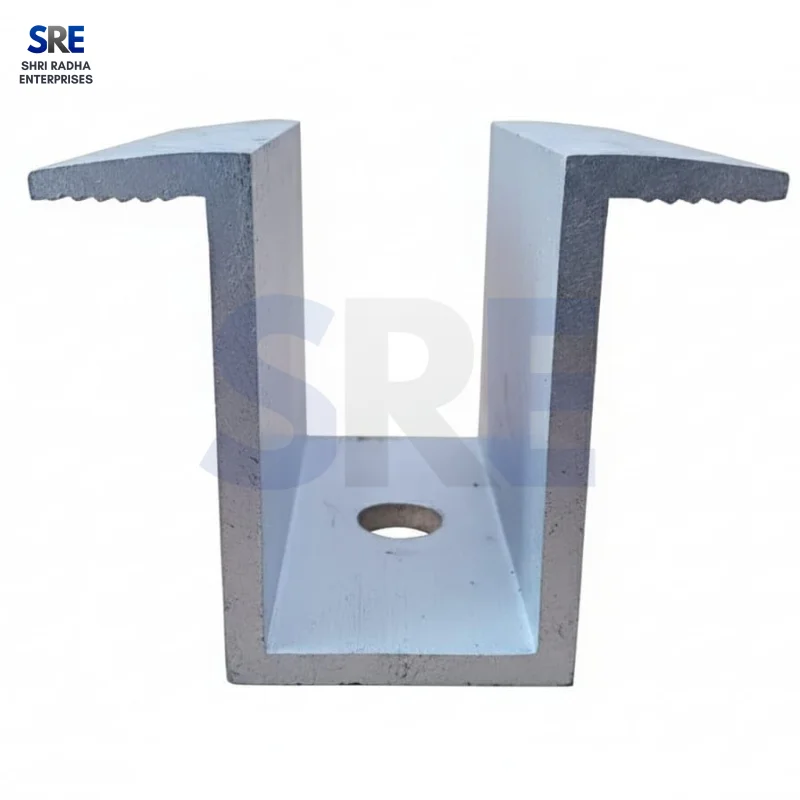
How to Select the Right Solar Base Plate Size (100×100, 125×125, 150×150 & 200×200)
Introduction
Choosing the correct Solar Base Plate size is one of the most important decisions when designing a reliable solar mounting structure. While many buyers focus only on the price or availability of the product, the size of the base plate directly affects structural stability, load distribution, installation accuracy, and the long-term performance of the entire solar project.
A Solar Base Plate acts as the connection between the mounting structure and the concrete foundation. If the plate is too small, it may not distribute the structural load effectively. On the other hand, selecting a larger plate than required can unnecessarily increase material costs without providing additional benefits.
For EPC contractors, fabricators, project consultants, and procurement teams, understanding how different base plate sizes are used can help reduce installation issues and ensure the structure performs as intended.
In this guide, we explain the most commonly used Solar Base Plate sizes, their applications, thickness selection, and the key factors to consider before placing an order.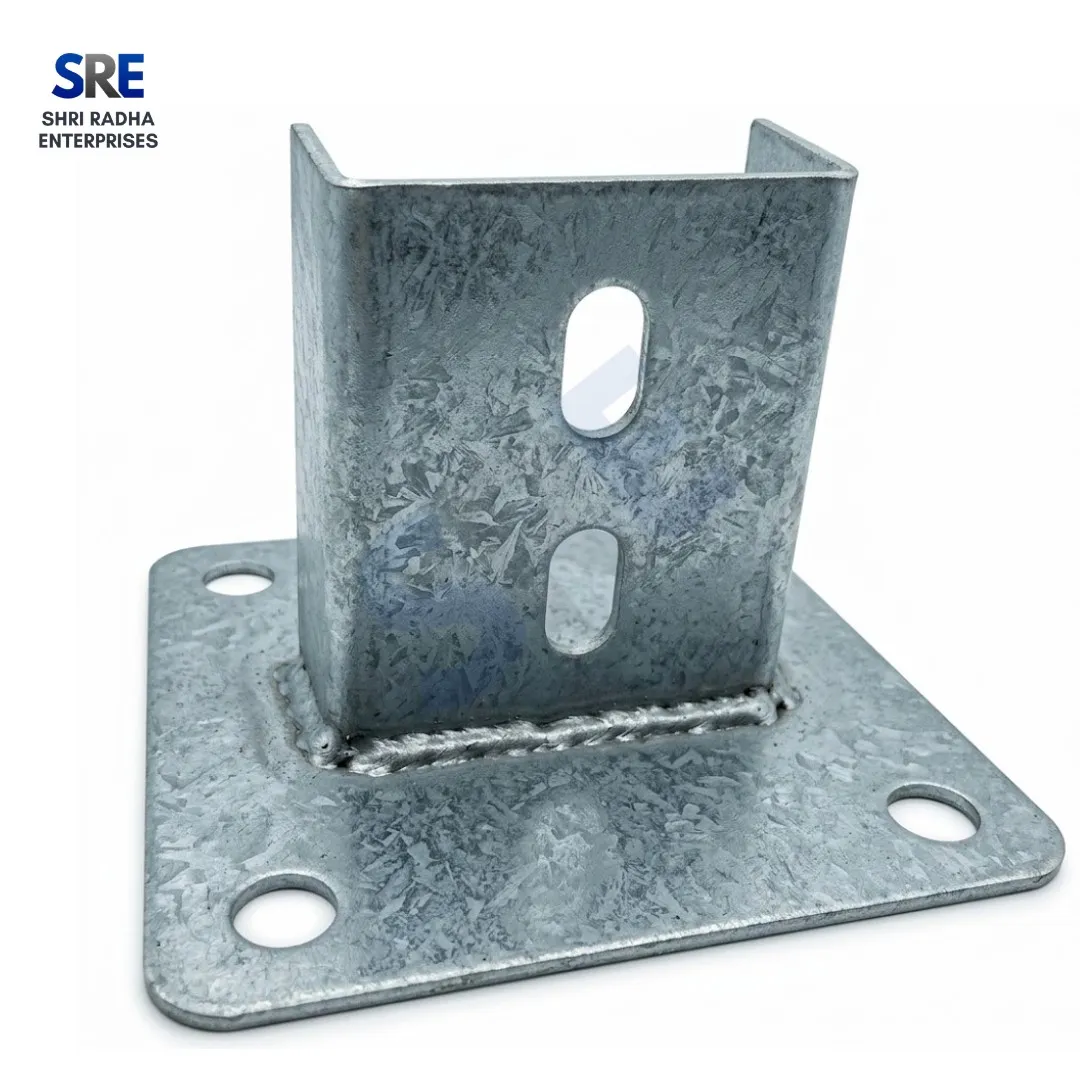
Why Choosing the Correct Solar Base Plate Size Matters
A Solar Base Plate is more than just a steel plate with mounting holes. It is a structural component responsible for transferring the load from the solar mounting structure to the foundation.
Selecting the correct size helps:
- Improve structural stability.
- Ensure proper load distribution.
- Reduce stress on anchor bolts.
- Simplify installation and alignment.
- Increase the overall life of the mounting structure.
- Reduce unnecessary material costs.
The ideal size depends on engineering calculations, wind load, foundation design, and the type of solar installation.
Standard Solar Base Plate Sizes Explained
Although Solar Base Plates can be manufactured in custom dimensions, a few standard sizes are widely used across residential, commercial, industrial, and utility-scale solar projects.
Each size serves a different structural purpose depending on the project requirements.
100 × 100 mm Solar Base Plate
The 100 × 100 mm Solar Base Plate is commonly used in lightweight solar mounting structures and residential rooftop installations. It is suitable where the structural load is relatively low and compact mounting systems are required.
Typical Applications
- Residential rooftop solar systems
- Small commercial solar installations
- Lightweight mounting structures
- Compact support assemblies
Key Advantages
- Cost-effective
- Easy to install
- Lightweight
- Suitable for low-load applications
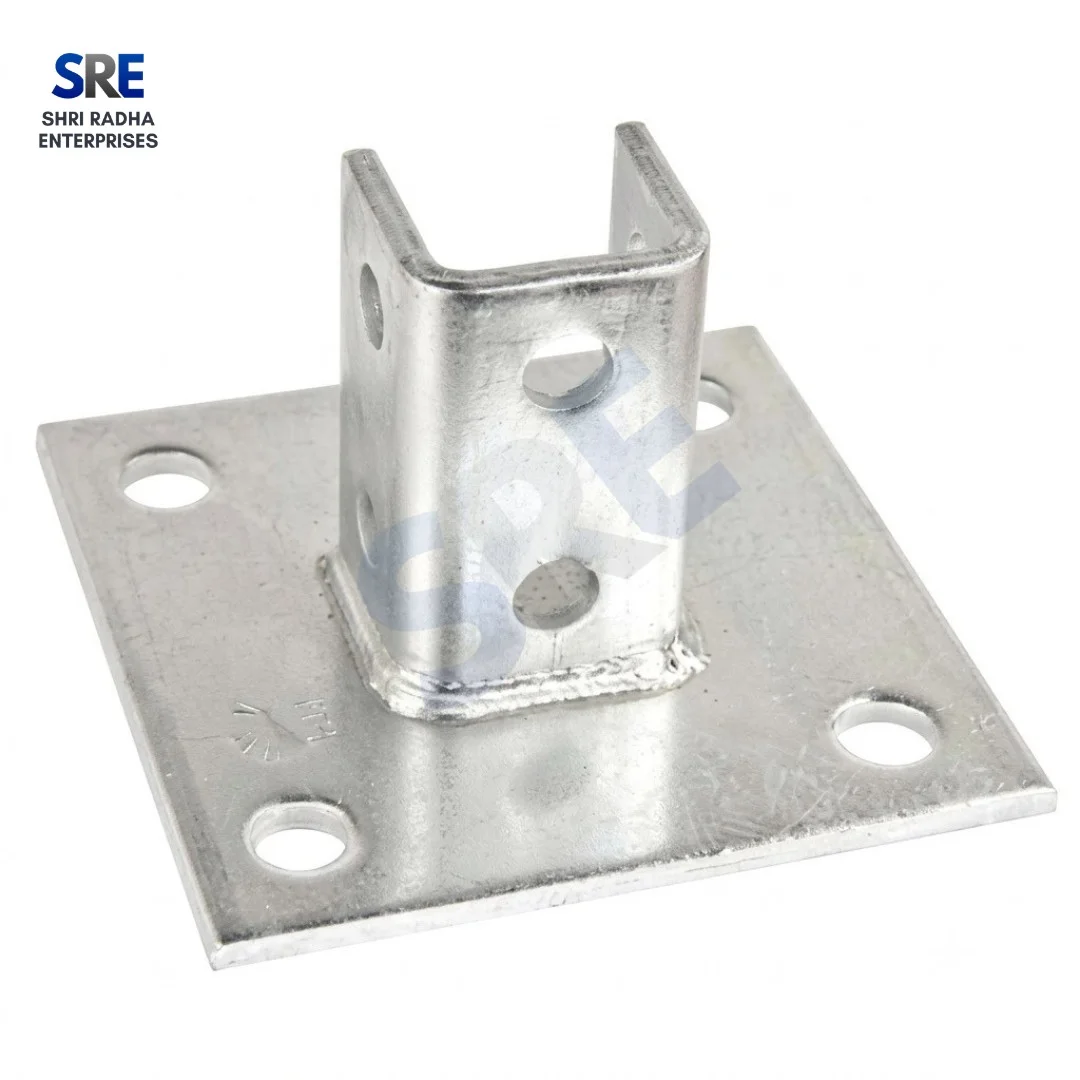
125 × 125 mm Solar Base Plate
The 125 × 125 mm Solar Base Plate is a versatile option for medium-sized commercial solar projects. It offers improved load distribution compared to smaller plates and is commonly selected for projects requiring additional structural support.
Common Uses
- Commercial rooftop projects
- Medium-capacity solar installations
- Industrial sheds
- Standard solar mounting systems
Benefits
- Better structural stability
- Improved bolt spacing
- Increased load-bearing capability
- Balanced cost and performance
150 × 150 mm Solar Base Plate
The 150 × 150 mm Solar Base Plate is designed for heavy-duty structural applications where higher loads and larger support members are involved.
It is frequently used in industrial and infrastructure projects where additional strength is required.
Suitable For
- Industrial solar plants
- Large rooftop systems
- Heavy-duty support structures
- High-load mounting applications
Advantages
- Higher strength
- Better load distribution
- Increased durability
- Suitable for demanding environments
200 × 200 mm Solar Base Plate
The 200 × 200 mm Solar Base Plate is generally selected for utility-scale solar projects and structures exposed to high wind loads or demanding site conditions.
Its larger footprint provides improved stability for larger structural members.
Typical Applications
- Ground-mounted solar farms
- Utility-scale projects
- Large industrial structures
- Infrastructure applications
Benefits
- Maximum structural stability
- Excellent load distribution
- Suitable for larger foundations
- Reliable performance in challenging environments
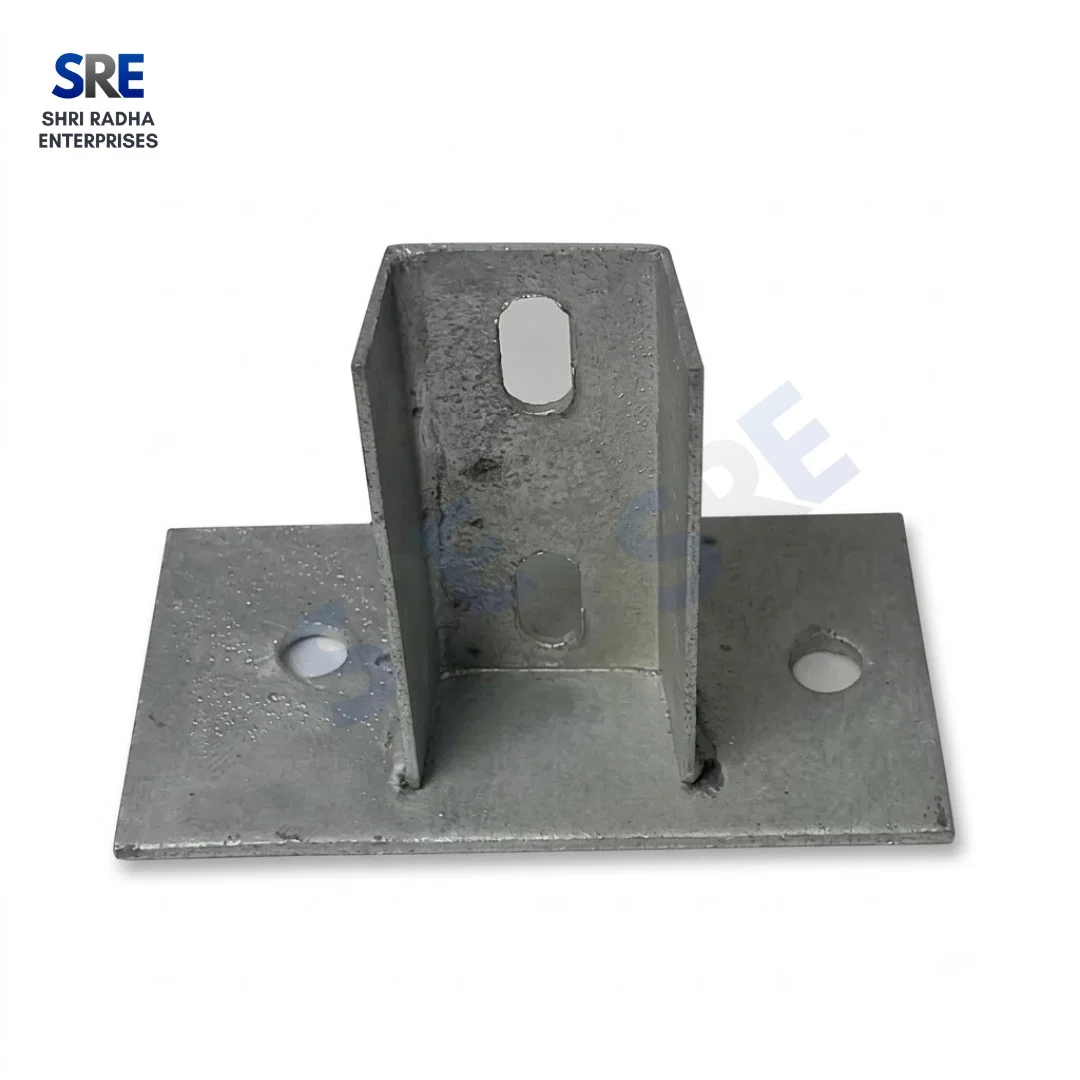
How Solar Base Plate Thickness Affects Structural Strength
Selecting the right Solar Base Plate thickness is just as important as choosing the correct plate size. Even if two base plates have the same dimensions, their load-bearing capacity can differ significantly depending on the steel thickness used during manufacturing.
A thicker base plate generally provides better rigidity and resistance to bending under heavy loads. However, using a plate thicker than required can unnecessarily increase material costs. On the other hand, selecting a thinner plate for a heavy-duty application may compromise structural stability.
For this reason, the thickness of a Solar Base Plate should always be selected based on engineering calculations, foundation design, wind load, and the overall weight of the solar mounting structure rather than price alone.
Common Thickness Range
ThicknessTypical Application2.5 mmResidential Rooftop Systems3.0 mmSmall Commercial Projects4.0 mmCommercial & Industrial Structures5.0 mmHeavy-Duty Solar Mounting Systems6.0 mmUtility-Scale & High Wind Load Projects
Note: The above values are general industry references. The final thickness should always be confirmed according to the structural design and project requirements.
Factors That Determine the Right Solar Base Plate Size
Many buyers assume that selecting a Solar Base Plate is only about choosing a larger or smaller plate. In reality, several engineering factors influence the final selection.
1. Type of Solar Project
The first factor is the type of installation. Residential rooftop systems generally require smaller base plates, while utility-scale solar farms often need larger dimensions to support higher structural loads.
2. Wind Load
Projects located in high-wind regions require stronger support systems. In such cases, engineers may recommend larger or thicker Solar Base Plates to improve structural stability and reduce the risk of movement during extreme weather conditions.
3. Foundation Design
The dimensions of the concrete foundation directly influence the size of the base plate. Proper compatibility between the base plate and foundation helps distribute loads evenly and ensures secure anchoring.
4. Support Structure Size
The dimensions of the C Channel, Lip Channel, or other structural members also affect the required base plate size. Larger structural members generally require larger base plates to maintain proper support.
5. Load Distribution
The total load transferred through the mounting structure—including solar panels, supporting members, and environmental forces—should always be considered before selecting a base plate size.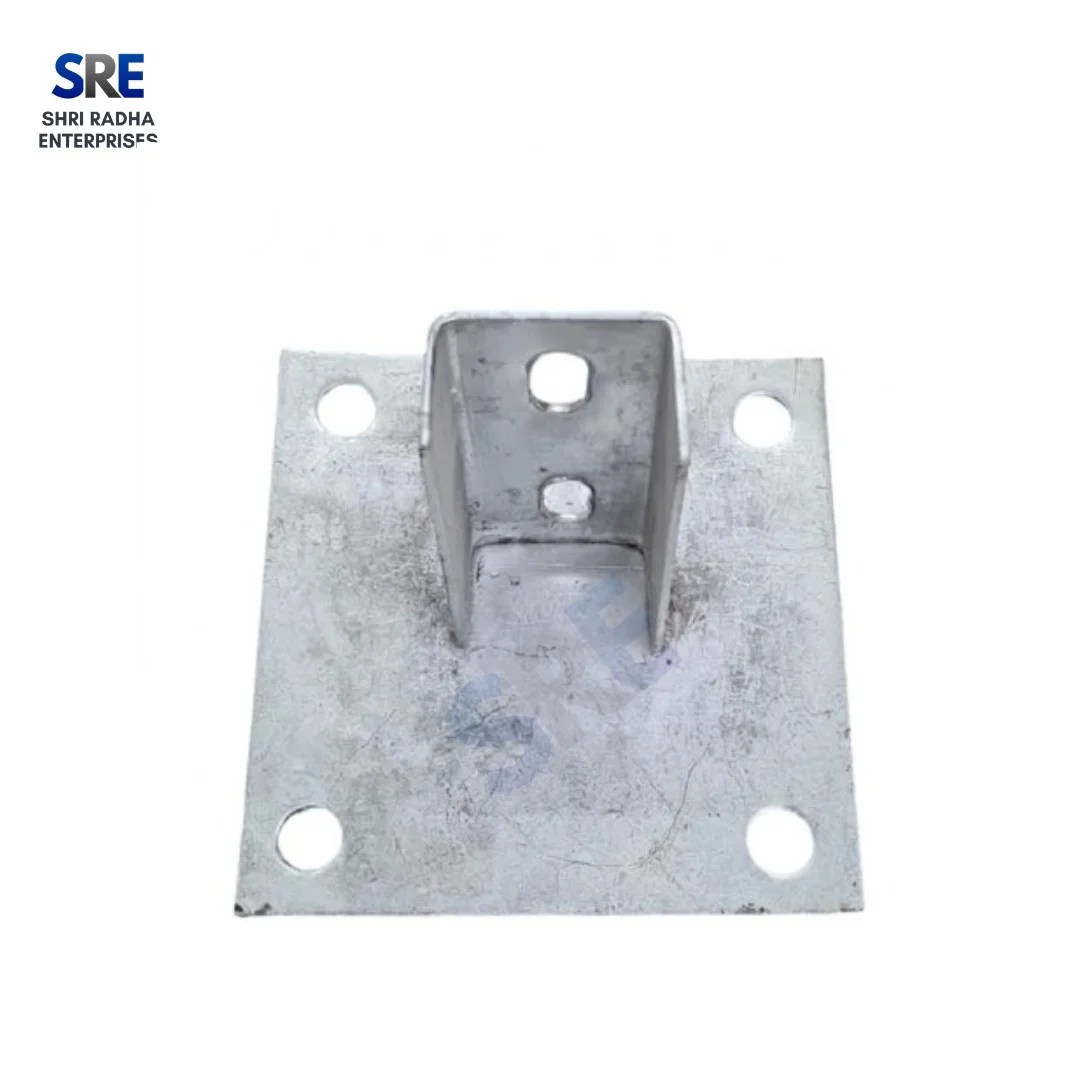
Solar Base Plate Size Selection Chart
The table below provides a general reference for commonly used Solar Base Plate sizes and their typical applications.
Project TypeRecommended Base Plate SizeResidential Rooftop100 × 100 mmSmall Commercial125 × 125 mmIndustrial Rooftop150 × 150 mmUtility-Scale Solar Farm200 × 200 mm
Every project is unique, so final dimensions should be selected according to engineering drawings and structural calculations.
Common Mistakes When Selecting a Solar Base Plate
Many installation issues arise because buyers focus only on price or availability instead of technical suitability. Avoiding the following mistakes can save both time and project costs.
Choosing the Cheapest Product
A lower purchase price may result in poor manufacturing quality, inaccurate dimensions, or reduced durability.
Ignoring Thickness
Selecting a thinner plate than required may affect structural performance and long-term stability.
Overlooking Hole Accuracy
Incorrectly positioned holes can delay installation and require additional site modifications.
Ignoring Surface Finish
Outdoor solar projects should always consider corrosion protection. A properly galvanized finish helps extend product life.
Ordering Without Technical Drawings
Providing engineering drawings or dimensional requirements allows the manufacturer to produce components that fit the project correctly.
Custom Solar Base Plates
Standard sizes work for many projects, but some installations require customized Solar Base Plates based on unique structural designs.
Customization options may include:
- Custom dimensions
- Different plate thicknesses
- Special hole patterns
- Slotted holes
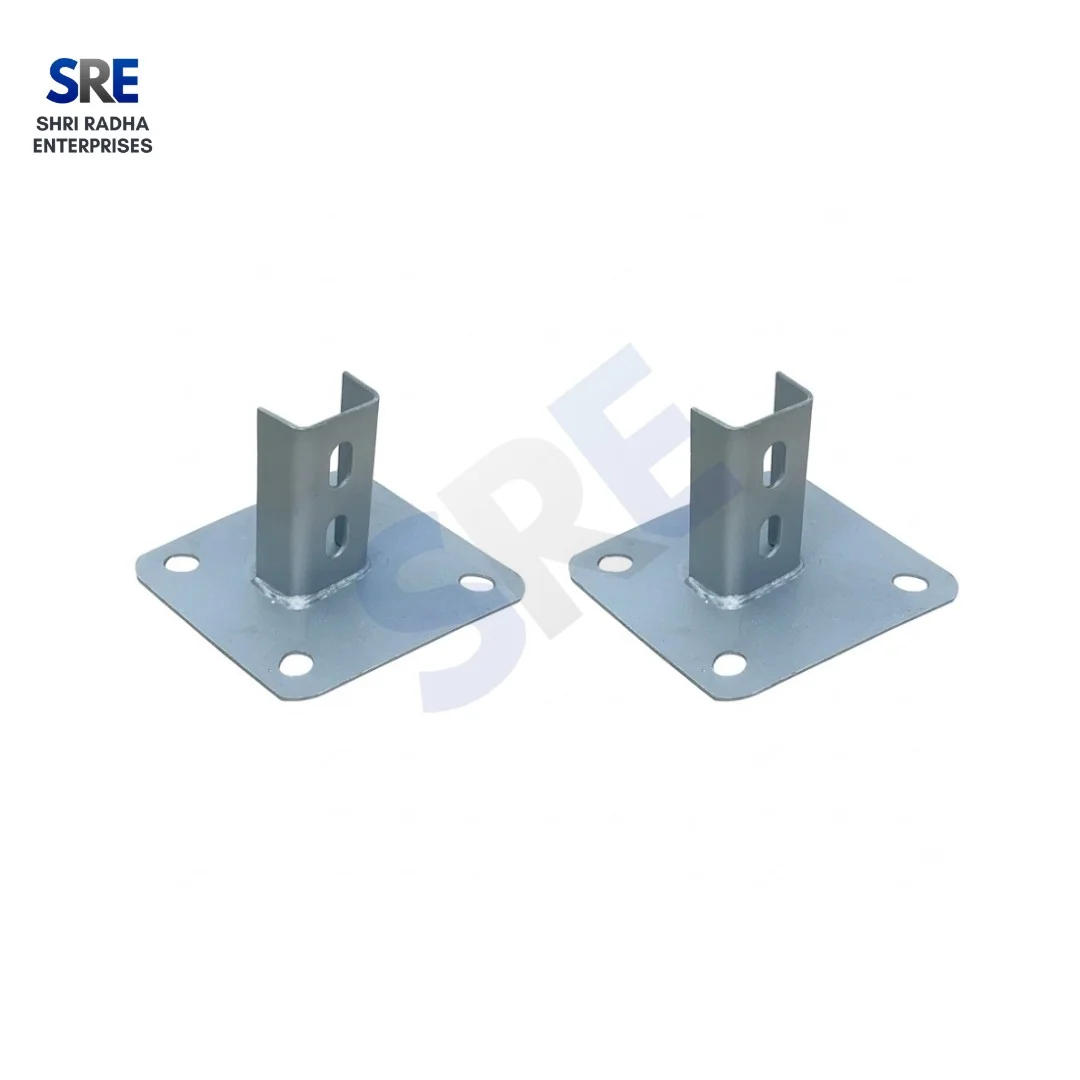
- Welded C Channel assemblies
- Custom finishes
- Bulk manufacturing for EPC projects
Custom manufacturing helps ensure that the product matches the exact requirements of the project while reducing installation challenges.
Every solar project has different structural requirements. If you're looking for customized Solar Base Plates manufactured according to your drawings and project specifications, explore our Solar Base Plate product page for available sizes and manufacturing options.
Expert Buying Checklist Before Ordering a Solar Base Plate
Selecting the right Solar Base Plate is not just about comparing prices. A well-informed purchasing decision helps reduce installation delays, improve structural reliability, and minimize future maintenance costs.
Before placing a bulk or project order, use the following checklist to evaluate the product and manufacturer.
✔ Check the Material Quality
Always confirm the material used for manufacturing. Mild Steel (MS) is commonly preferred because of its excellent strength, weldability, and fabrication properties. Ensure the material matches your project requirements and engineering specifications.
✔ Verify Plate Dimensions
Measure or confirm the required length, width, and thickness before production begins. Even small dimensional differences can create alignment issues during installation.
✔ Confirm Hole Position Accuracy
The hole pattern should match the anchor bolt layout specified in the engineering drawing. Precision punching helps reduce installation time and avoids unnecessary modifications at the project site.
✔ Inspect Welding Quality
If the Solar Base Plate includes a welded C Channel or other structural members, inspect the weld quality carefully.
A high-quality weld should be:
- Uniform
- Clean
- Free from visible cracks
- Properly fused
- Smoothly finished
Good welding improves the overall strength and durability of the complete assembly.
✔ Check the Surface Finish
For outdoor applications, corrosion protection is essential.
Depending on the project requirements, choose the appropriate finish:
- Raw Mild Steel
- Hot Dip Galvanized (HDG)
- Other specified protective coatings
A properly finished product offers better resistance against moisture, rain, and environmental exposure.
✔ Ask About Manufacturing Capability
Before selecting a supplier, verify whether they can handle:
- Bulk production
- Custom sizes
- Different thicknesses
- Custom hole patterns
- Project-based manufacturing
- Timely delivery schedules
This becomes especially important for EPC contractors and infrastructure projects with strict deadlines.
✔ Review Packaging and Dispatch
Proper packaging helps prevent damage during transportation.
Products should be packed securely to maintain dimensional accuracy and surface quality until they reach the installation site.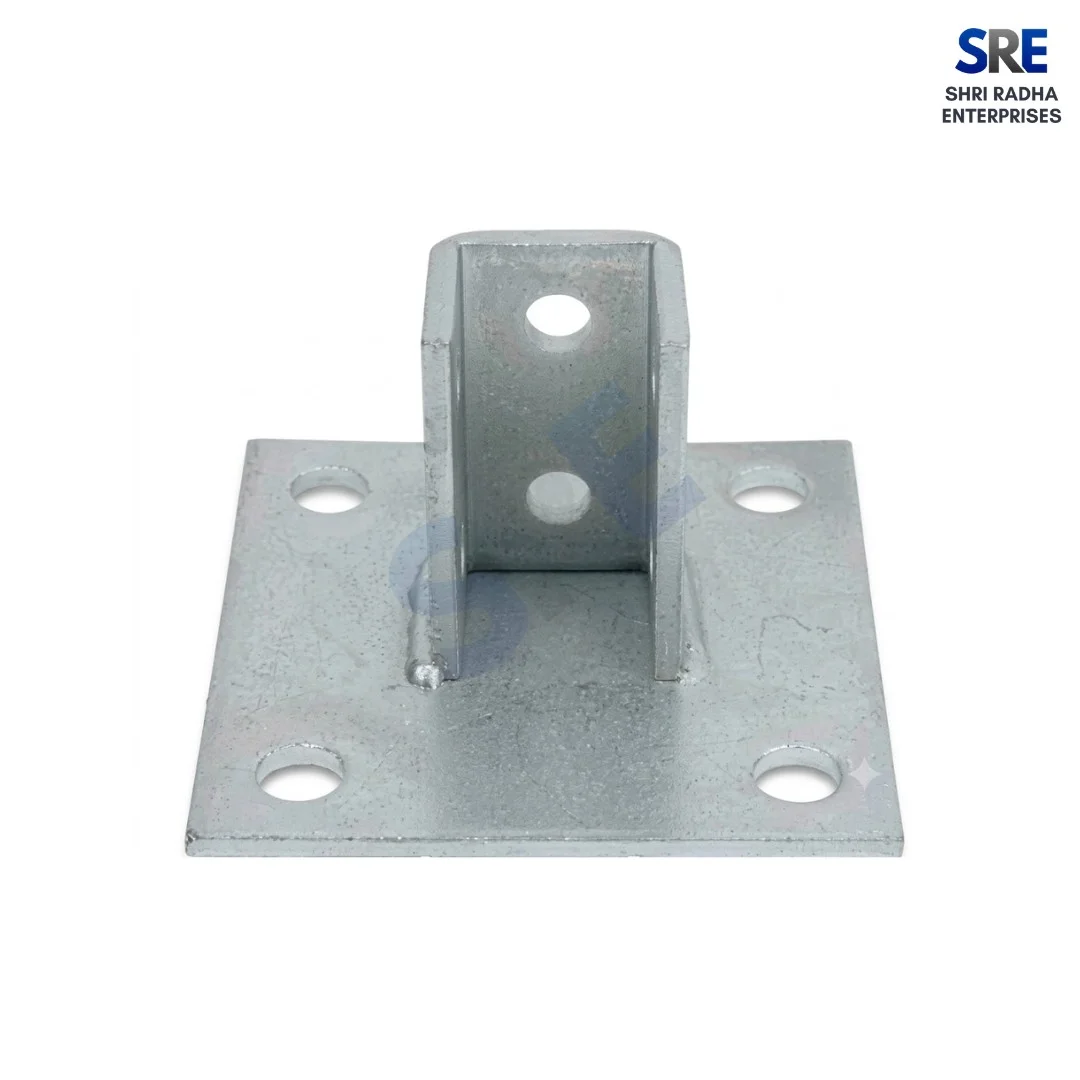
Why Working with the Right Manufacturer Matters
The quality of a Solar Base Plate depends not only on the product itself but also on the experience and manufacturing capabilities of the supplier.
A reliable manufacturer can help you by:
- Maintaining consistent product quality
- Manufacturing according to engineering drawings
- Providing dimensional accuracy
- Supporting custom fabrication
- Delivering products on time
- Offering technical assistance when required
Choosing the right manufacturing partner reduces project risks and contributes to smoother installation:
Looking for a trusted manufacturer of Solar Base Plates? Explore our product page to view available sizes, technical specifications, and custom manufacturing options designed for commercial and industrial solar projects.
Frequently Asked Questions (FAQs)
1. Which Solar Base Plate size is best for residential rooftop projects?
For many residential rooftop installations, 100 × 100 mm base plates are commonly used. However, the final size should always be selected according to the structural design and engineering calculations.
2. Which Solar Base Plate is suitable for industrial projects?
Industrial projects generally require larger and thicker base plates depending on structural loads, support member sizes, and project specifications.
3. Can Solar Base Plates be manufactured in custom sizes?
Yes. Custom dimensions, thicknesses, hole patterns, and welded assemblies can be manufactured according to engineering drawings.
4. Which material is commonly used?
High-quality Mild Steel (MS) is widely used because it provides excellent strength, durability, and fabrication properties.
5. Is galvanization available?
Yes. Hot Dip Galvanized (HDG) finishing is available for projects requiring enhanced corrosion resistance.
6. How do I select the correct thickness?
Thickness should be selected according to structural calculations, foundation design, and expected load conditions—not only based on cost.
7. Why is precision punching important?
Accurate hole positioning simplifies installation, improves bolt alignment, and reduces on-site adjustments.
8. Do you support bulk manufacturing?
Yes. Bulk manufacturing is suitable for EPC contractors, distributors, infrastructure companies, and large solar projects.
9. Can I order welded C Channel assemblies?
Yes. Pre-welded Solar Base Plate assemblies can be manufactured according to customer requirements.
10. How can I request a quotation?
Simply share your required dimensions, thickness, quantity, and engineering drawing (if available). This helps prepare an accurate quotation based on your project requirements.
Conclusion
Selecting the correct Solar Base Plate size is a critical step in building a reliable and durable solar mounting structure. Factors such as plate dimensions, thickness, material quality, hole accuracy, welding, and surface finish all contribute to the long-term performance of the installation.
Instead of choosing a product based only on price, buyers should focus on engineering suitability, manufacturing quality, and supplier reliability. A properly selected Solar Base Plate not only simplifies installation but also improves structural stability and extends the service life of the complete solar system.
Call to Action
Planning a solar project and unsure which Solar Base Plate size is right for your application?
Our team can help you choose the correct dimensions, thickness, and manufacturing specifications based on your project requirements. Looking for a trusted manufacturer of https://sremanufacturer.com/product/solar-base-plate? Explore our product page to view available sizes, technical specifications, and custom manufacturing options designed for commercial and industrial solar projects.
Contact us today to discuss your project and request a customized quotation.
Call to Action
If you're looking for more scaffolding and solar mounting products beyond Solar Base Plates, explore our complete product collection to find Base Plates, Solar Mid Clamps, End Clamps, Strut Channels, Spring Nuts, Screw Jacks, Ringlock Scaffolding components, Tube Clamps, Sliding Gate Wheels, and other industrial hardware solutions.
Shri Radha Enterprises Team
We specialize in nylon rollers, sliding gate wheels, gate hardware, scaffolding items, cuplock systems, and accessories.