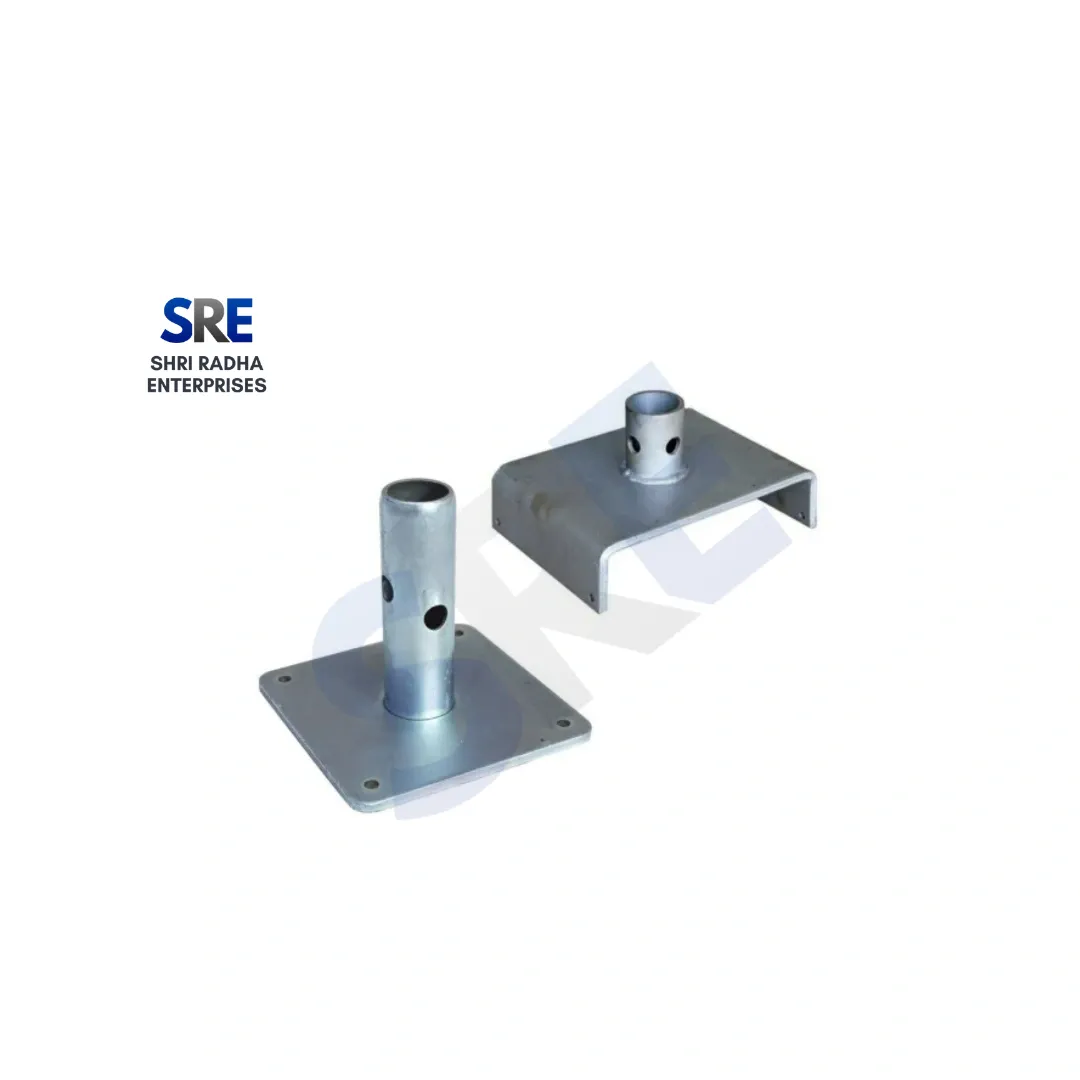
Scaffolding Base Plate Price: The Structural ROI Secret
Featured Products
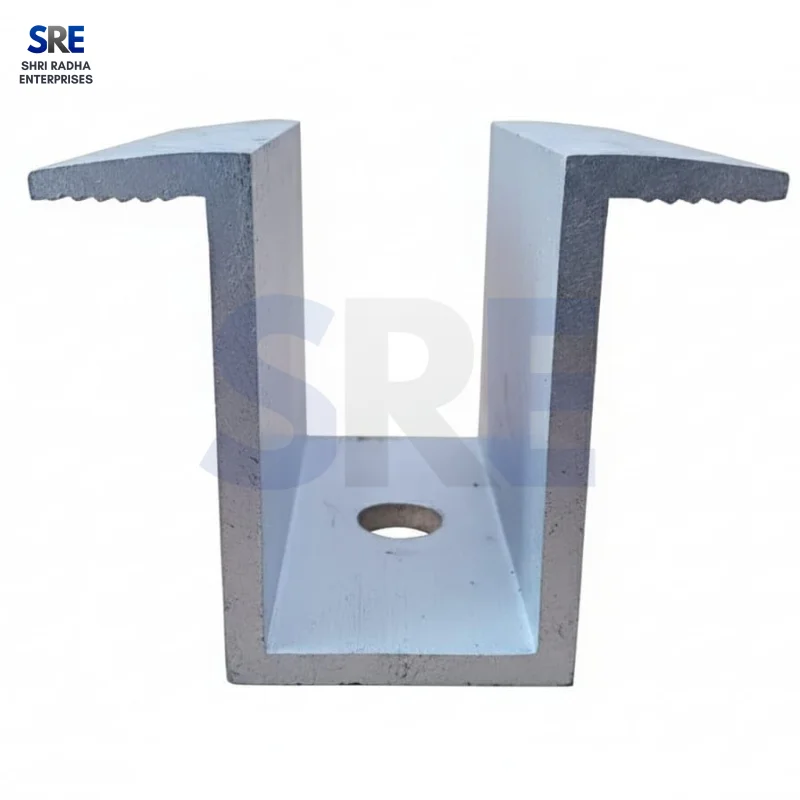
The Unsung Hero of the Construction Site: Why the Base Plate Holds Your Entire ROI
When we look at a massive, towering infrastructure project, our eyes are naturally drawn to the high-visibility assets—the heavy vertical standards, the sprawling ledger pipes, and the high-altitude working platforms. They look imposing, they look secure, and they carry a premium price tag. But if you look past the grand scale of the matrix to the absolute bottom—right where thousands of tons of structural engineering meet the brutal, unyielding dirt—you will find a flat, heavy square of precision-engineered steel. It doesn’t get the glory, it rarely gets featured in project milestones, but it silently carries 100% of the active load. This is the humble base plate. For B2B procurement teams, treating this critical component as an afterthought isn't just a safety oversight; it is a direct financial leak that silently erodes your long-term project ROI.
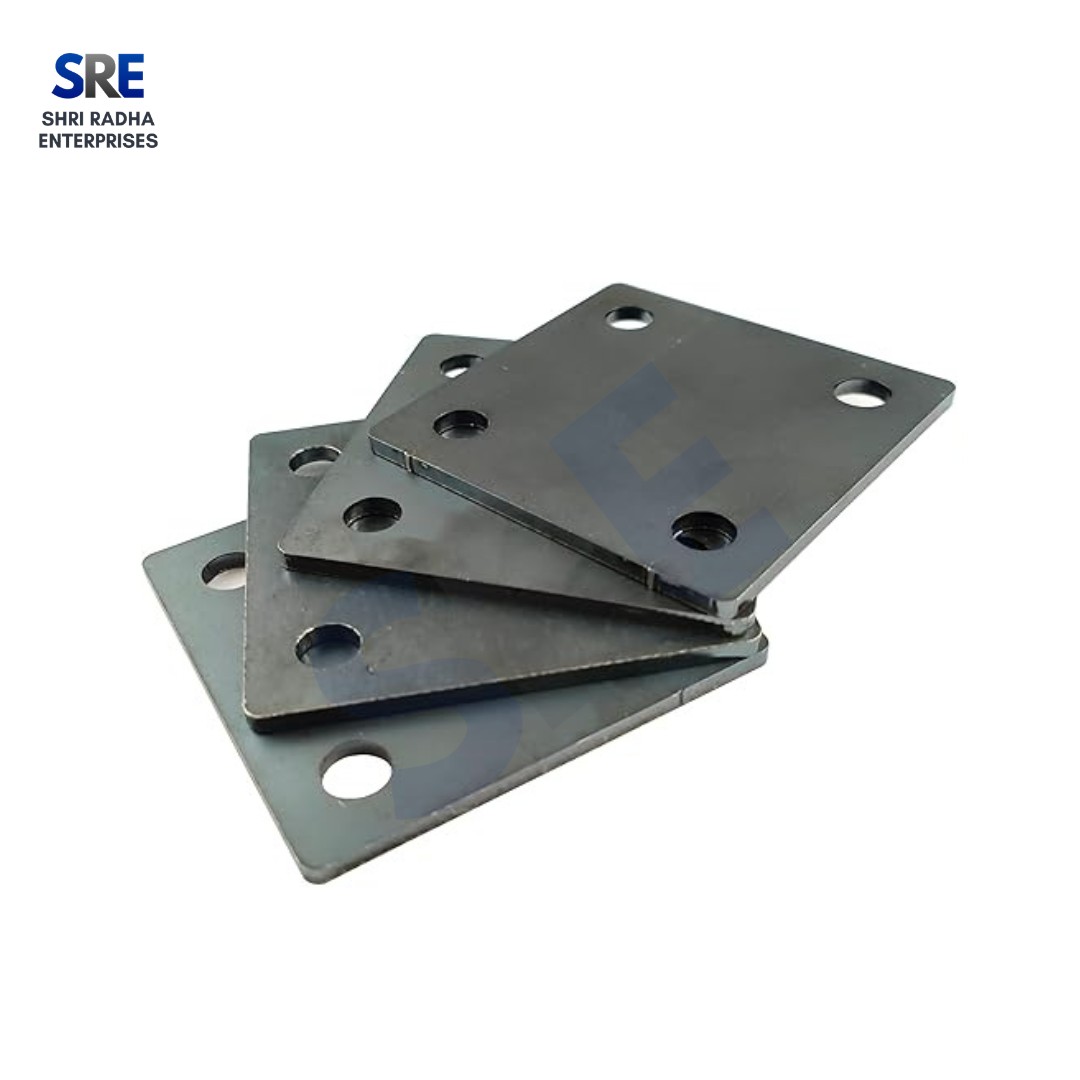
Sinking Capital vs. Building Asset Equity: The Rental Fallacy
Most industrial procurement operations fall into a classic cognitive trap known as hyperbolic discounting—the tendency to choose a smaller, immediate reward (lower initial cash outflow via recurring rentals) over a much larger, long-term financial payoff (direct ownership). When you analyze the upfront scaffolding base plate price purely as a sunk expense, you are viewing your balance sheet through a deeply flawed lens. Renting temporary hardware might make a newly initiated project look highly liquid and budget-friendly on week one, but it sets a dangerous, compounding financial drain in motion.
Over an extended construction timeline, the cumulative capital poured into rental fees leaves your enterprise with zero asset value at decommissioning. You are essentially financing a middle-tier vendor’s inventory growth while your own company absorbs 100% of the operational risk.
By shifting your corporate framework toward strategic asset acquisition, that initial purchase price transforms from a loss into a protective shield for your bottom line. You aren't just buying raw steel; you are buying permanent independence from unpredictable vendor invoice inflation, recurring mobilization expenses, and endless site liabilities.
The Hidden Penalty Trap of Ground-Level Hardware
Beyond the basic monthly rental math lies a far more aggressive profit killer: site damage and loss penalties. Because base plates sit directly at the muddy absolute baseline of a job site, they are uniquely vulnerable to the chaotic daily realities of heavy infrastructure development:
- The Concrete Burial: During active pouring phases, overflow concrete frequently spills over the structural base, permanently encrusting or completely burying the plates beneath the grade.
- Excavation Disappearances: Moving heavy machinery, backhoes, and dump trucks constantly shift site earth, inadvertently burying low-profile steel plates under feet of compacted dirt.
- The 2x Penalty Reality: Rental agencies don't just charge you the market rate for a lost plate; their contracts typically include standard replacement penalties ranging from 1.5x to 2.5x the actual retail scaffolding base plate price.
When you own your foundational inventory, a scratched, cement-covered, or battered base plate remains a highly functional, reusable corporate asset on your next ten job sites. When you rent, that exact same piece of worn steel becomes a premium-priced liability that quietly bleeds your project's remaining margins dry.
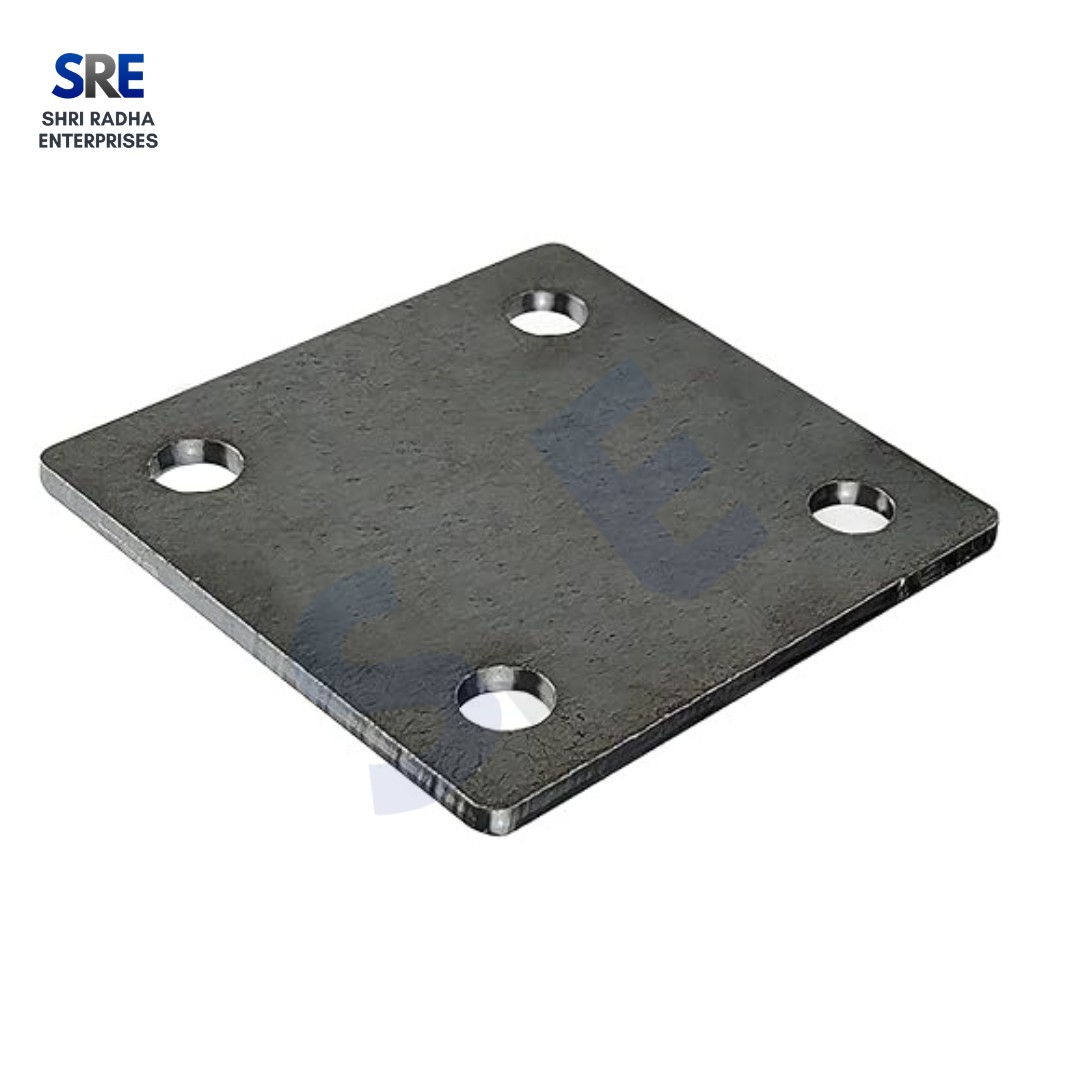
The Silent Language of Stability: How Ground-Level Hardware Drives Workforce Velocity
From a neuromarketing perspective, an industrial construction site speaks a silent, continuous language to everyone who steps onto it. When a primary developer, a structural engineer, or a high-tier client representative walks through your gates, their subconscious instantly scans the environment for indicators of structural discipline. If the first thing their eyes hit at the ground level is a patchwork of warped, rusted, or uncertified scrap plates, a psychological red flag is immediately raised regarding your entire operation’s safety standards.
Investing in a premium manufacturing run rather than chasing a compromised, rock-bottom scaffolding base plate price completely alters your corporate presentation. When your foundation features pristine, heavy-duty, systematically aligned base plates, it projects absolute engineering control. It signals to inspectors and stakeholders that your enterprise makes zero compromises, building immediate institutional trust before a single word is spoken.
The Domino Effect on High-Altitude Labor Confidence
In heavy industrial infrastructure, structural integrity isn't merely a theoretical math equation—it is a direct driver of human labor performance. Human psychology dictates that field workers move faster, handle materials more efficiently, and execute high-altitude tasks with precision when they feel completely secure in their environment. Minor imperfections or structural tolerances at the dirt baseline compound exponentially as a scaffolding matrix climbs vertically.
- Eliminating the Swing: A low-grade, uneven base plate allows micro-movements at the bottom that translate into terrifying, stomach-churning sways at a height of 40 feet. Certified, rigid base plates stop these micro-shifts right at the source.
- Vibration Absorption: High-yield structural steel absorbs the heavy micro-vibrations generated by power tools and moving crews, keeping the working platforms entirely stationary.
- Boosting Daily Output: When a scaffolding matrix feels as solid as a reinforced concrete wall, your labor force works without subconscious hesitation. This psychological safety net accelerates your daily project timeline, boosting overall onsite labor productivity by up to 15%.
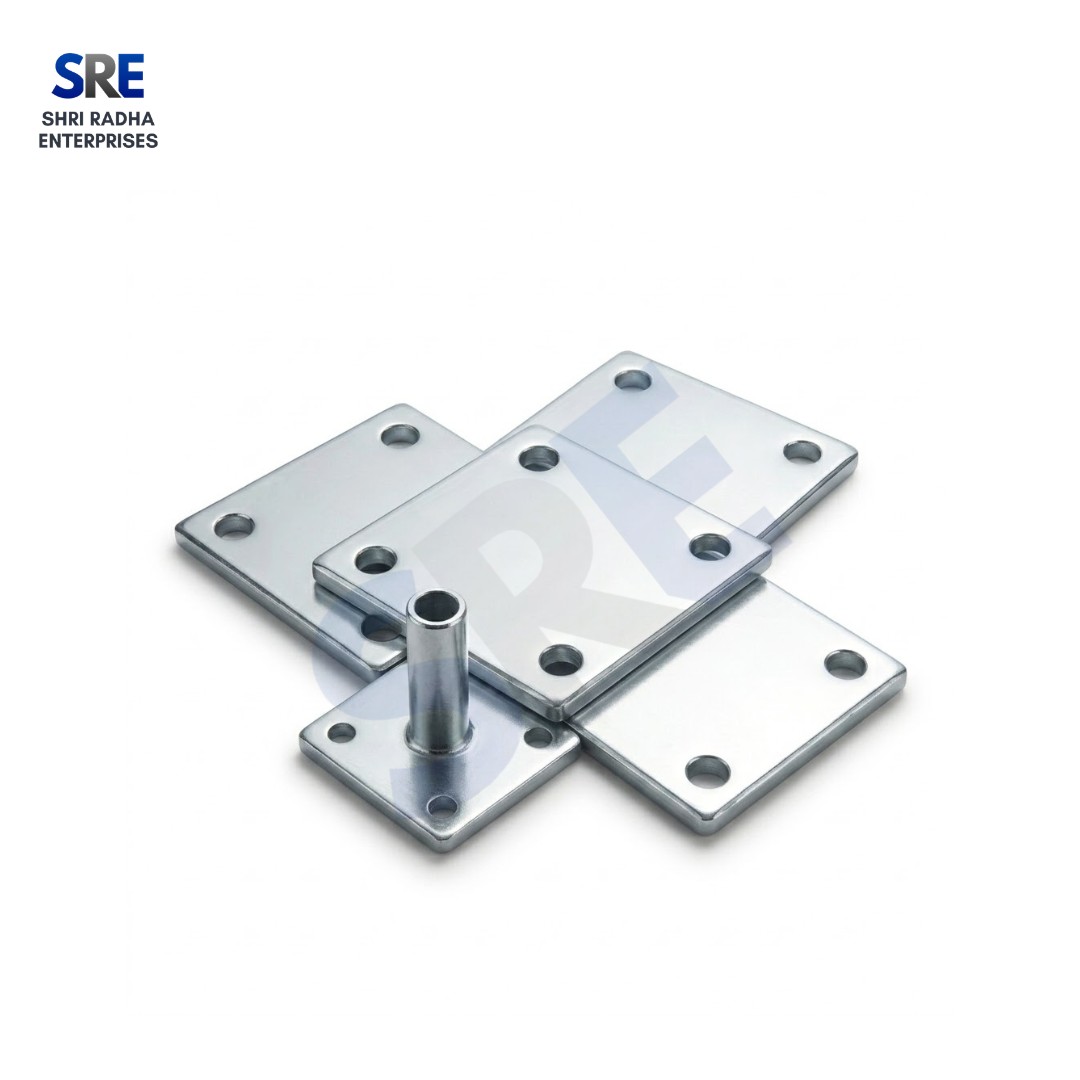
Sourcing the Foundation: Decoding Market B2B Pricing Mechanics
When you transition from a rental mindset to strategic asset ownership, navigating the industrial manufacturing landscape requires a clear understanding of commercial pricing structures. In the B2B sector, manufacturers do not rely on arbitrary retail markups; instead, the scaffolding base plate price is systematically calculated using two distinct industrial methodologies based on your procurement volume and project specifications:
- Per-Piece Billing Model: Ideal for standardizing fixed-size components across mid-sized infrastructure projects. For standard 150x150x6mm or 150x150x5mm mild steel plates, market rates generally fluctuate between ₹40 and ₹85 per piece, depending heavily on the raw material grade and the specific anti-corrosive finish applied.
- Per-Kilogram Bulk Model: Engineered for large-scale enterprise procurement and heavy industrial structural rollouts. Manufacturers bypass individual unit counts entirely, billing strictly by total steel tonnage. This structural rate typically scales between ₹50 and ₹80 per kg, pegging your costs directly to real-time global steel commodity markets.
The Reality of Cheap Commodity Sourcing vs. Certified Quality
In a high-stakes construction environment, chasing a rock-bottom, unverified price tag creates a dangerous illusion of short-term savings. The market is saturated with local, middle-tier distributors selling uncertified plates manufactured from recycled industrial scrap iron or low-grade sheet remnants. While these components look identical to the untrained eye, their internal molecular structure is highly unstable.
Opting for an unverified supplier introduces severe structural vulnerabilities to your site. Under the immense load of multi-story vertical standards, a low-grade scrap base plate can experience catastrophic structural failure—either bending out of alignment or snapping completely at the weld joint.
Investing in certified components fabricated from high-yield IS 2062 structural steel guarantees that every single millisecond of load-bearing stress is safely and evenly distributed into the ground level. True procurement ROI isn't found in saving a few rupees on a cheap commodity; it is found in securing traceable, laboratory-tested equipment that shields your enterprise from structural failures, regulatory site shutdowns, and severe corporate liabilities.
The Ultimate Quality Audit: 3 Ways to Catch Supplier Fraud the Moment the Truck Unloads
When a massive bulk order of industrial hardware finally arrives at your project site, the real procurement battle begins. Low-tier, aggressive suppliers often operate under a cynical assumption: they believe the company directors and procurement heads are comfortably isolated in air-conditioned corporate offices, completely detached from the grit of the unloading bay. They assume no one is going to measure the steel down to the millimeter.
Chasing a cheap, unverified scaffolding base plate price often results in subtle on-site fraud where suppliers quietly trim material dimensions to maximize their own margins. If your site supervisors do not run an immediate quality audit right at the truck bed, you are likely deploying heavily compromised assets onto your structural line.
Here are the three unshakeable, five-minute field tests your site team must execute before signing the delivery challan:
1. The Vernier Caliper & Digital Weight Check
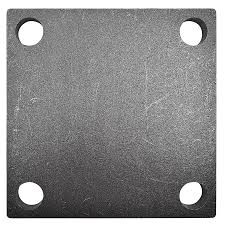
The most common industrial supply fraud is "thickness shaving." A supplier promises a heavy-duty 150x150x6mm base plate, but quietly delivers plates measuring 5.2mm or 5.5mm. To the naked eye, this fraction of a millimeter is completely invisible, but across an order of 10,000 pieces, the supplier has effectively stolen lakhs of rupees worth of structural steel right from under you.
- The Action: Have your supervisor randomly pull 10 to 20 plates from different stacks in the truck. Immediately measure the thickness using a digital vernier caliper.
- The Math: Drop the sample lot onto a digital weighing scale. A certified, standard 6mm fixed steel base plate has a distinct, non-negotiable weight signature. If the batch weight registers below standard engineering calculations, the supplier has compromised your structural density.
2. The 90-Degree Weld Penetration Test
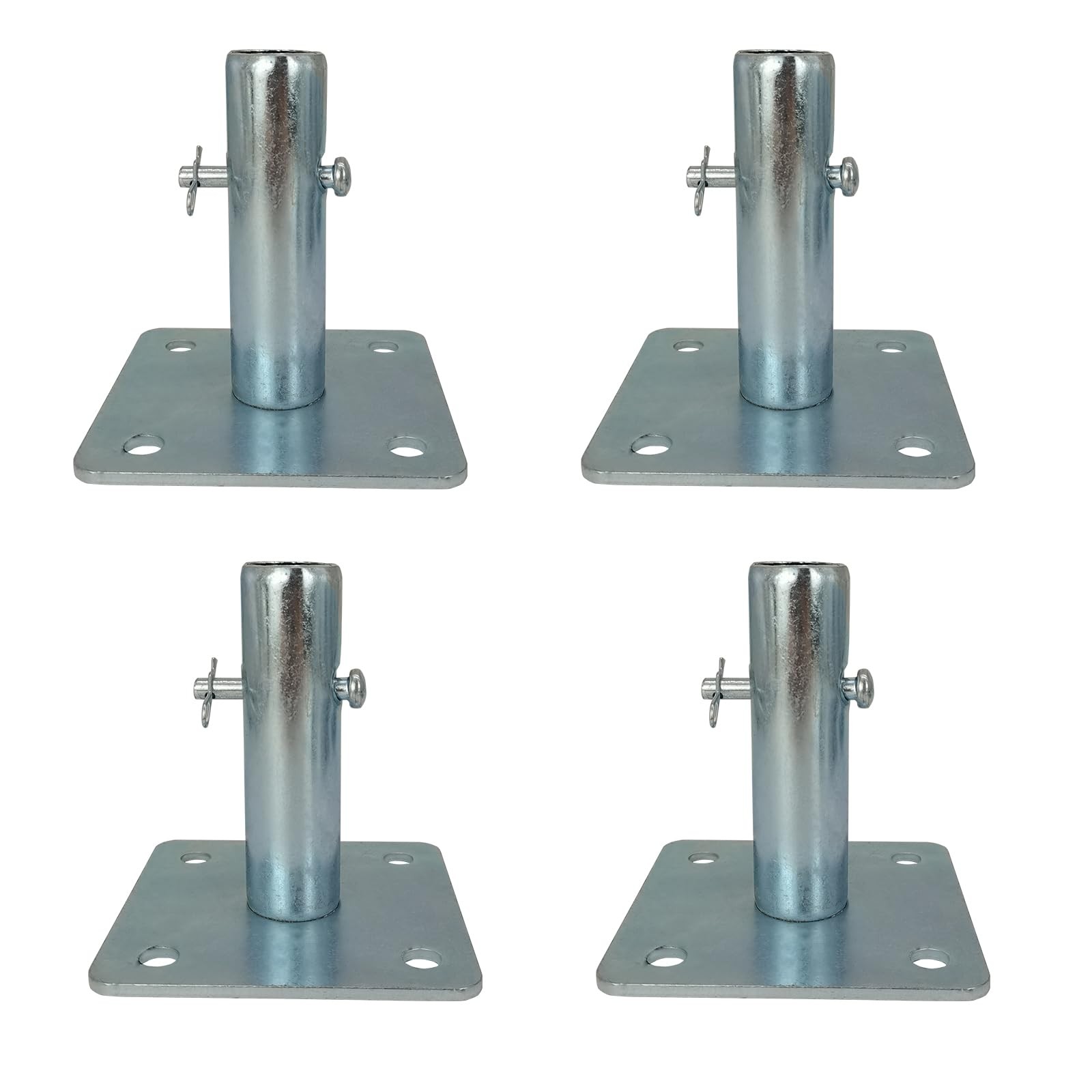
A base plate is only as strong as the joint connecting the flat plate to the central spigot or alignment pipe. Cheap commodity suppliers speed up production by using quick, superficial "tack welding" (halka taanka) rather than deep, continuous full-perimeter welds. Under heavy vertical shoring load, a superficial weld will sheer off entirely, causing the vertical pipe to slip off the plate and trigger a localized scaffolding collapse.
- The Action: Inspect the root of the central alignment tube. The weld must be a continuous, heavy bead wrapping a full 360 degrees around the joint.
- The Angle: Ensure the spigot stands at a perfect, rigid 90-degree right angle to the plate. Any structural deviation means the vertical scaffolding standard will lean, throwing the entire multi-story load matrix out of balance.
3. The Anti-Corrosion Scratch Test
Because base plates are constantly subjected to extreme outdoor environments, mud, and water, they require robust surface protection. Fraudulent suppliers will often bypass the expensive, industrial Hot-Dip Galvanization process and instead spray the raw steel with cheap, reflective silver cold-spray paint to mimic a zinc finish.
- The Action: Take a sharp tool or a heavy job site key and firmly scratch the surface of a sample plate. If a thin silver film flakes off like powder to reveal raw black iron underneath, it is cheap paint that will rust to pieces after the first rainfall.
- The Visual: Authentic hot-dip galvanization features a distinctly durable, slightly matte gray texture with subtle zinc crystallization patterns (spangles) locked directly into the molecular structure of the iron.
The Global Compliance Standard: Protecting Your Enterprise from Regulatory Liability
In the modern industrial landscape, procurement choices extend far beyond basic on-site mechanics—they serve as your primary defense against regulatory friction and corporate risk. When safety inspectors, structural auditors, or labor union representatives step onto a high-stakes infrastructure site, their evaluation begins at the absolute ground level. Utilizing uncertified, worn-recycled, or structurally compromised hardware to save on immediate costs introduces massive, long-term legal vulnerabilities to your enterprise.
Securing a premium, certified scaffolding base plate price directly guarantees that your operational footprint complies with strict international and domestic engineering codes, such as IS 2062 for structural steel. Investing in fully traceable, laboratory-tested hardware creates an unassailable paperwork trail. This documentation shields your business from catastrophic structural failures, costly project delays, and severe non-compliance penalties that can completely derail your corporate reputation.
Conclusion: Stop Speculating, Start Anchoring Your Industrial Capital
In the hyper-competitive world of commercial construction, a project's true profitability isn't determined by high-visibility investments or sprawling heavy machinery. It is quietly measured, guarded, and dictated at the absolute ground level. Continuing to treat your foundational hardware procurement as an ongoing, variable rental expense means your bottom line will always remain exposed to erratic damage penalties, compounding transit fees, and zero long-term asset equity.
When you transition your B2B procurement framework to direct ownership, you aren't just purchasing raw steel. You are locking down operational certainty, eliminating unlogged corporate cash leaks, and providing an unshakeable psychological safety net for your entire on-site workforce.
Secure your foundational asset inventory directly from a verified industrial leader. Contact the engineering specialists at Shri Radha Enterprises today to secure a transparent, direct-factory scaffolding base plate price tailored to your exact project load specifications. Protect your structural integrity and anchor your capital where it belongs—permanently on your own balance sheet.
Frequently Asked Questions (FAQs)
1. What is the standard thickness required for a heavy-duty industrial scaffolding base plate?
For commercial and high-capacity industrial procurement, a reliable scaffolding base plate must have a structural thickness between 6mm and 8mm. Opting for anything thinner (such as 4mm or 5mm) to save on initial costs introduces immense risk, as those lighter plates are prone to buckling or bending under multi-story vertical loads.
2. Why is IS 2062 steel grade mandatory for foundational hardware?
IS 2062 is a certified structural steel standard that guarantees specific tensile strength, yield stress, and load-bearing properties. It ensures that the steel possesses the molecular flexibility to absorb heavy engineering stresses and distribute that weight evenly into the ground without cracking, snapping, or shearing under sudden weight shifts.
3. How can my site team quickly differentiate between hot-dip galvanization and silver spray paint?
Authentic hot-dip galvanization chemical bonds zinc directly into the steel pores, leaving a durable, slightly matte gray finish with visible zinc crystallization spangles. Cheap cold-spray paint leaves a highly reflective, mirror-like chrome shine that instantly flakes off like powder when subjected to an on-site scratch test with a key or sharp tool.
4. What is the operational purpose of the central spigot pin on a base plate?
The central spigot (or vertical alignment tube) acts as a structural anchor that slides directly into the hollow core of your primary scaffolding standards. This pin completely eliminates lateral shifting, ensuring that your vertical grid climbs at a flawless, rigid 90-degree angle to the ground, preventing hazardous leaning.
5. How many sample base plates should be audited during a bulk delivery?
As an industry standard rule of thumb, site supervisors should run a random sample check on 2% to 3% of the total incoming shipment. For instance, if a delivery truck unloads 1,000 units, pulling 20 to 30 plates randomly from different bundles for a quick vernier caliper and weight check will accurately expose any systemic supplier dimension shaving.
6. Can a slightly underweight base plate genuinely cause a structural collapse?
Yes. Scaffolding structures rely heavily on structural equilibrium. If a base plate is underweight due to sub-standard material density or reduced thickness, it will deform under localized concrete pouring or equipment weight. Once a single foundational point shifts or sinks, it triggers a rapid domino effect that throws the upper vertical platforms completely out of balance.
Shri Radha Enterprises Team
We specialize in nylon rollers, sliding gate wheels, gate hardware, scaffolding items, cuplock systems, and accessories.