Screw Jack Types: Which Base Leveler Does Your Site Need?
Featured Products
Screw Jack Types Explained: Which Base Leveler Does Your Site Need?
The screw jack is arguably the most critical component on any scaffolding site, serving as the literal anchor between the earth and your entire structure. However, one of the biggest mistakes site managers and contractors make is assuming that all base levelers are created equal. The reality is that a massive concrete high-rise demands an entirely different foundation strategy than a heavily sloped commercial ramp or a standard residential perimeter. Trying to force a one-size-fits-all solution onto complex terrain doesn't just slow down your erection time—it introduces catastrophic structural risk. In this comprehensive guide, we are going to break down the exact types of screw jacks available on the market today—from heavy-duty solid shafts to terrain-adapting swivel bases—so you can confidently select the perfect hardware for your specific site requirements.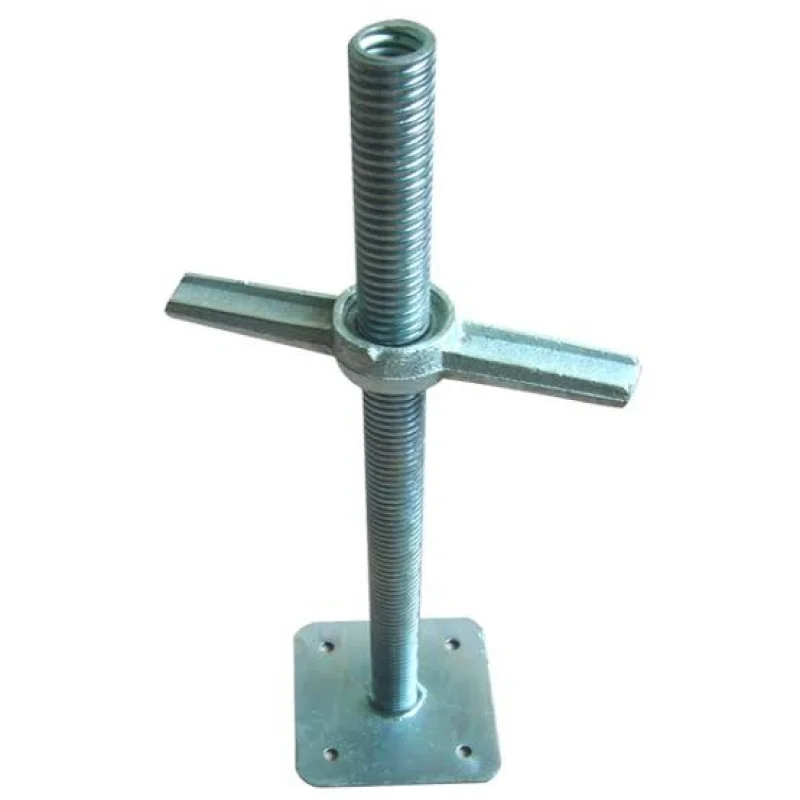
1. The Solid MS Screw Jack: The Heavy-Duty Champion
When your project involves massive load-bearing requirements, such as commercial high-rises or heavy masonry work, the solid mild steel (MS) screw jack is the absolute gold standard. Machined from a single, solid rod of steel, this base leveler provides maximum shear strength and zero compression risk under extreme dead weights. Paired with deep-cut Acme threads and a drop-forged adjusting nut, a solid screw jack guarantees that your foundation will not buckle, bend, or warp, regardless of the aggressive dynamic loads applied from the upper decks.
2. The Hollow Tube Screw Jack: Lightweight and Efficient
For standard residential projects, light commercial painting, or basic maintenance access, a hollow tube screw jack offers a highly efficient and cost-effective solution. While it lacks the extreme crush resistance of a solid shaft, a high-quality hollow screw jack—when manufactured with thick, heavy-gauge steel tubing—still provides excellent stability for lighter load classifications. It is significantly easier for your crew to transport and handle on-site, making it a popular choice for fast-paced, lower-weight temporary scaffolding structures.
3. The Swivel Base Screw Jack: The Uneven Terrain Specialist
Construction sites are rarely perfectly flat. When you are erecting scaffolding on sloped concrete, ramps, or uneven ground, a standard flat plate is a major safety hazard. The swivel base screw jack is engineered specifically for these challenging environments. Featuring a heavy-duty pivoted base plate, this type of screw jack can articulate and adapt to the exact angle of the ground. This ensures that the vertical scaffold tube remains perfectly plumb while the base plate maintains complete surface contact, distributing the load safely and securely across the angled terrain.
4. The U-Head Screw Jack: The Formwork Anchor
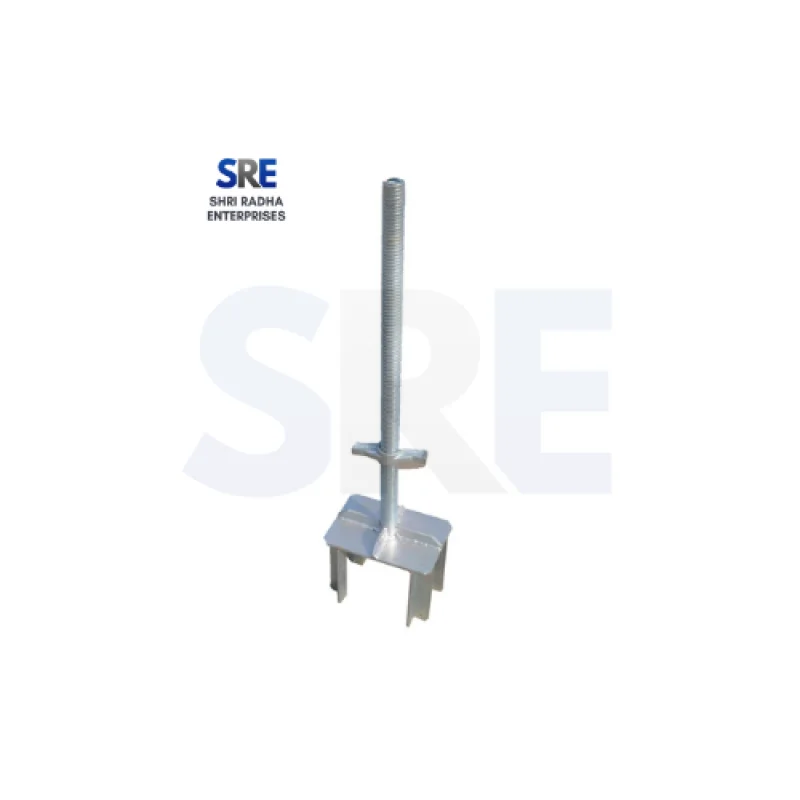
When your scaffolding system is being utilized for concrete formwork, shoring, or supporting heavy horizontal timber beams, a standard base leveler simply will not keep your materials secure. The U-head screw jack replaces the traditional flat bottom plate with a U-shaped channel welded to the top of the threaded stem. This specialized screw jack is designed to cradle wooden bearers, steel beams, or H20 timbers securely in place. It allows for precise vertical leveling of your entire shoring structure while completely eliminating the dangerous risk of horizontal beam slippage during high-stakes concrete pours.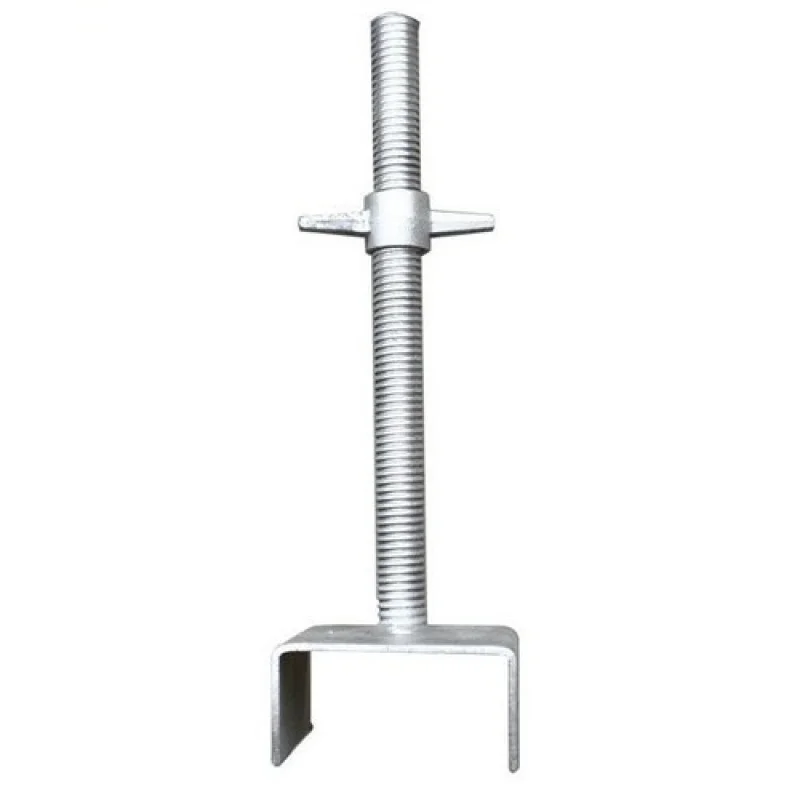
Wheel Screw Jack: The Mobile Scaffolding Solution
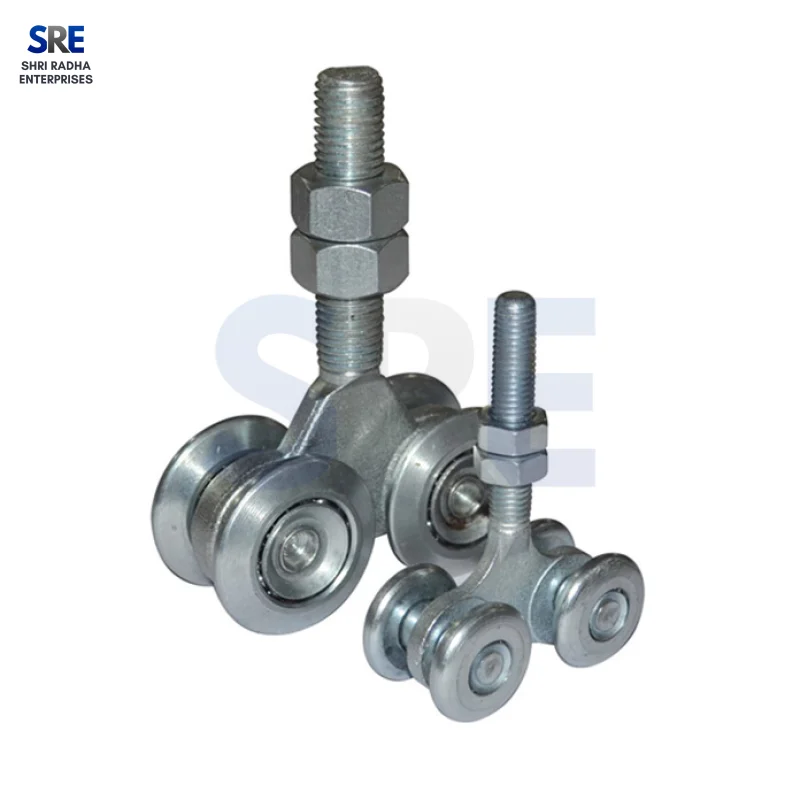
When your crew requires a temporary, mobile access tower that can be frequently repositioned around a large site—such as for overhead MEP (mechanical, electrical, plumbing) installations or warehouse maintenance—a static foundation will only slow you down. The caster wheel screw jack integrates a heavy-duty polyurethane or rubber wheel directly into the base of the threaded stem. This specialized screw jack allows workers to effortlessly roll the scaffolding structure to the next location, lock the heavy-duty caster brakes, and use the threaded nut to perfectly level the tower before climbing. It delivers the ultimate combination of site mobility and secure, adjustable leveling.
Conclusion: Don't Compromise on Your Base Leveler
Selecting the correct screw jack is not just a matter of matching a part number; it is a critical engineering decision that dictates the safety, stability, and efficiency of your entire construction site. Whether you need the unyielding strength of a solid MS screw jack for a commercial high-rise, the terrain adaptability of a swivel base screw jack, or the formwork support of a U-head, matching the hardware to the environment is the only way to mitigate risk.
If you build on the wrong foundation, the integrity of the highest deck is already compromised. Equip your crew with the exact hardware they need to erect structures safely, quickly, and with total confidence.
Upgrade Your Scaffolding Foundation Today
At Shri Radha Enterprises, we manufacture premium, load-tested scaffolding hardware designed to withstand the brutal realities of modern construction sites. Stop gambling with hollow, uncertified bases and secure your projects with solid steel.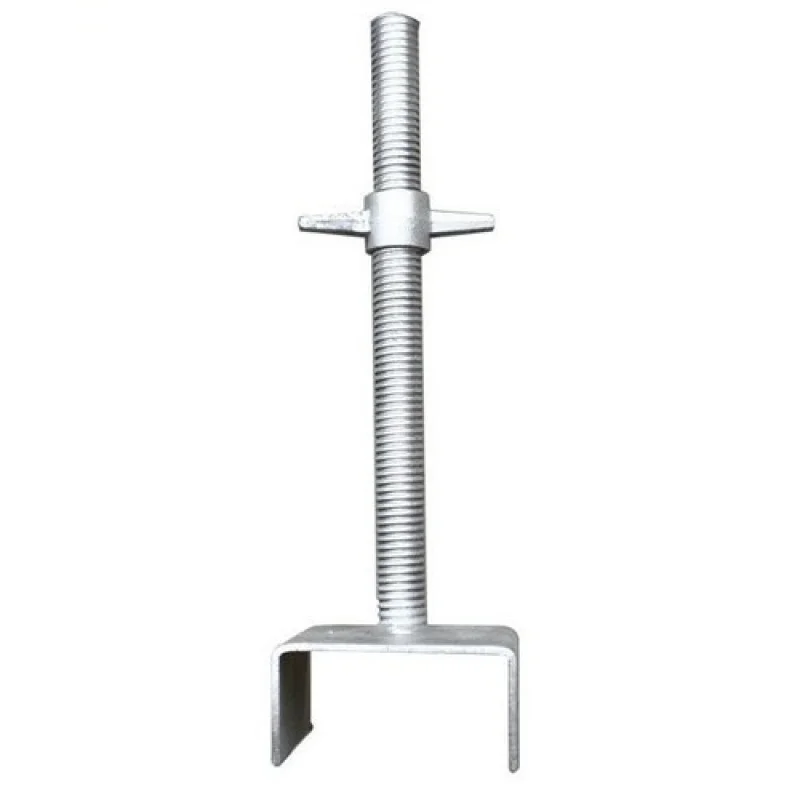
Frequently Asked Questions (FAQs) About Scaffolding Screw Jacks
1. What is a scaffolding screw jack?
A scaffolding screw jack is an adjustable base foundation used to level and stabilize a scaffolding tower. Placed at the bottom of the vertical scaffold tubes, it uses a threaded stem and an adjusting nut to ensure the structure remains perfectly plumb and secure on the ground.
2. What is the difference between a solid and hollow screw jack?
A solid screw jack is machined from a single, solid piece of mild steel (MS), offering maximum load-bearing capacity and crush resistance for heavy commercial construction. A hollow tube screw jack is made from thick steel piping, making it lighter, highly efficient, and ideal for standard residential or light-duty loads.
3. Can I use a standard flat screw jack on sloped ground?
No. Using a flat plate screw jack on a slope drastically reduces surface contact and creates a severe safety hazard. For uneven or sloped terrain, you must use a swivel base screw jack, which features a pivoting plate that automatically adjusts to match the exact angle of the ground.
4. What exactly is a U-head screw jack used for?
A U-head screw jack features a U-shaped top bracket instead of a flat bottom plate. It is specifically designed to cradle and secure horizontal timber beams, H20 beams, or steel channels used heavily in concrete formwork, shoring, and overhead load support.
5. How far can I safely extend a scaffolding screw jack?
Industry safety standards generally dictate that a screw jack should never be extended beyond two-thirds (2/3) to three-quarters (3/4) of its total threaded length. Overextending the stem of the screw jack significantly reduces its structural strength and increases the risk of the shaft buckling under heavy weight.
6. Why do premium screw jacks use Acme threads?
Acme threads are deeper, wider, and flatter than standard V-shaped threads. This specialized engineering design gives the screw jack superior load-carrying capacity, allows for smoother adjustments, and prevents the nut from stripping or jamming under massive construction loads.
7. How much weight can a heavy-duty screw jack hold?
While exact load capacities depend on the manufacturer's specifications and tube diameter, a premium solid MS screw jack is engineered to safely support several tons of dead and dynamic weight. Always check the load-testing certifications provided by your screw jack supplier.
8. Are caster wheel screw jacks safe for heavy construction?
A caster wheel screw jack is specifically designed for mobile access towers, painting, and light maintenance work. While they feature heavy-duty locking brakes for leveling, they are not intended to support the extreme weights of masonry, bricklaying, or heavy commercial decking like a solid static screw jack.
9. What is the best material for a durable scaffolding screw jack?
The most reliable and durable material is Mild Steel (MS). A premium solid MS screw jack equipped with a drop-forged adjusting nut and finished with electro-galvanization or heavy-duty paint will provide the best resistance against bending, sheer force, and job site rust.
10. How often should a screw jack be inspected on a job site?
A screw jack must be visually inspected by a competent person before every single erection. You should immediately discard any screw jack that shows signs of a bent threaded stem, stripped threads, cracked base plate welds, or a seized adjusting nut.
Quick Reference Guide: Which Screw Jack is Best for Your Site?
Type of Screw JackBest Suited For (Application)Key Advantage / SuperpowerLoad CapacitySolid MS Screw JackCommercial high-rises, heavy masonry, bridge workMaximum crush-resistance; will not bend under extreme weight.Heavy-DutyHollow Tube Screw JackResidential construction, painting, light maintenanceCost-effective, lightweight, and easy for crews to transport.Light to MediumSwivel Base Screw JackSloped concrete, ramps, and uneven terrainBase plate articulates to match the ground angle safely.Medium to HeavyU-Head Screw JackConcrete formwork, slab shoring, overhead supportCradles and tightly secures horizontal timber/steel beams.Heavy-DutyCaster Wheel Screw JackMobile access towers, MEP installations, warehousesAllows scaffolding to roll easily and lock into place securely.Light-Duty
Shri Radha Enterprises Team
We specialize in nylon rollers, sliding gate wheels, gate hardware, scaffolding items, cuplock systems, and accessories.