Solar Base Plate: Your Only Defense Against 150km/h Winds
Featured Products
Securing the Future of Energy: Why Every Resilient Mounting Structure Relies on a Solar Base Plate
When massive commercial industries, modern high-rises, or sprawling agricultural farms transition to renewable energy, the focus immediately shifts to high-efficiency solar panels and heavy-duty inverters. However, even the most expensive Tier-1 solar modules are completely useless—and highly dangerous—if the structural framework holding them fails. A solar power plant is not just an electrical asset; it is a heavy structural engineering project that must withstand extreme weather, severe wind uplift, and decades of structural fatigue.
At the absolute foundation of this structural matrix is the solar base plate. Whether you are installing a 5kW residential rooftop system or a massive 5MW ground-mounted solar farm, the entire dead weight of the steel framework, the solar modules, and the dynamic wind loads are transferred downward. The solar base plate acts as the definitive anchor point, safely securing the towering module mounting structure (MMS) to the concrete roof, trapezoidal tin shed, or raw earth. Without a precision-engineered base plate, your solar investment is literally resting on shaky ground, vulnerable to the very first severe storm.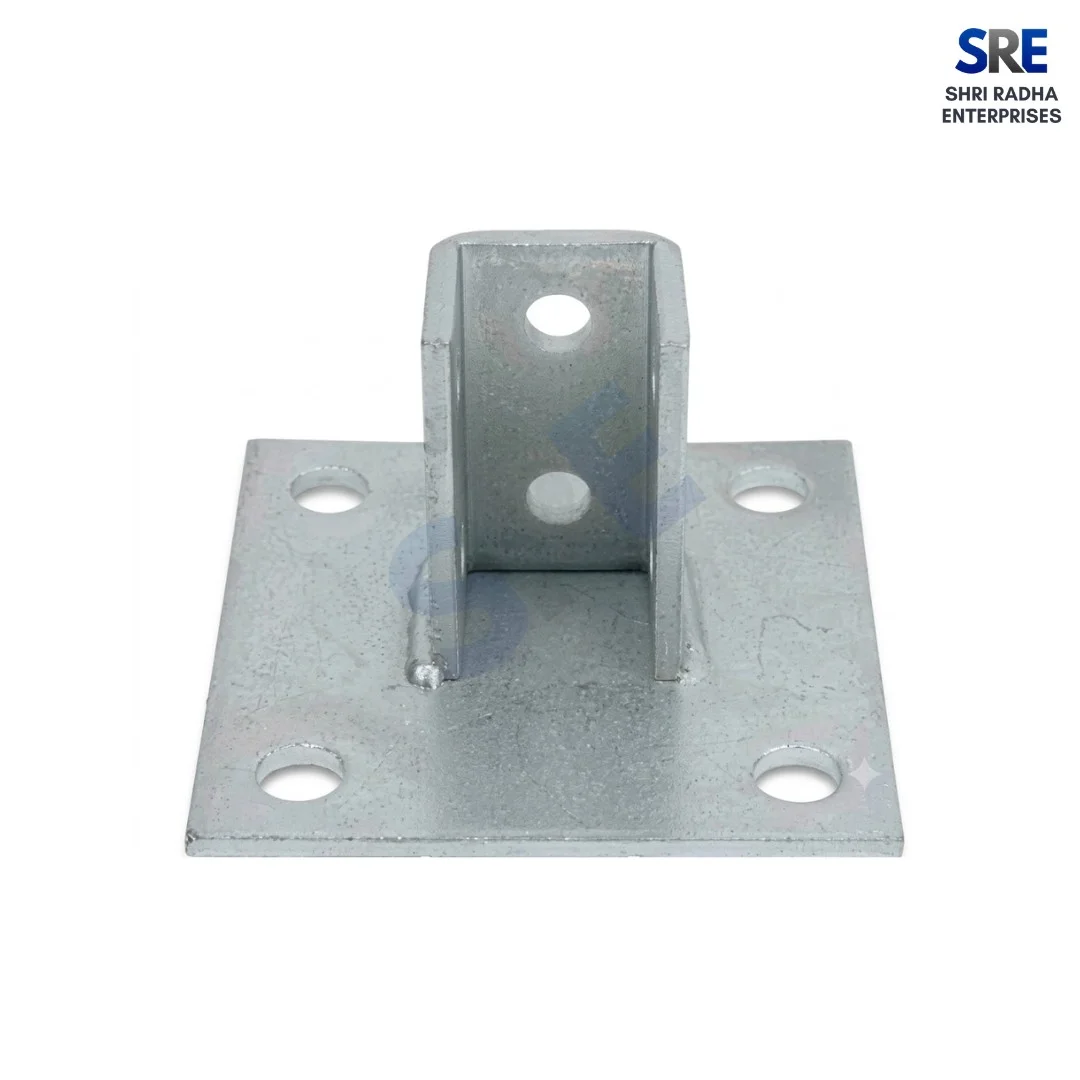
What is a Solar Base Plate and What is Its Specialized Role?
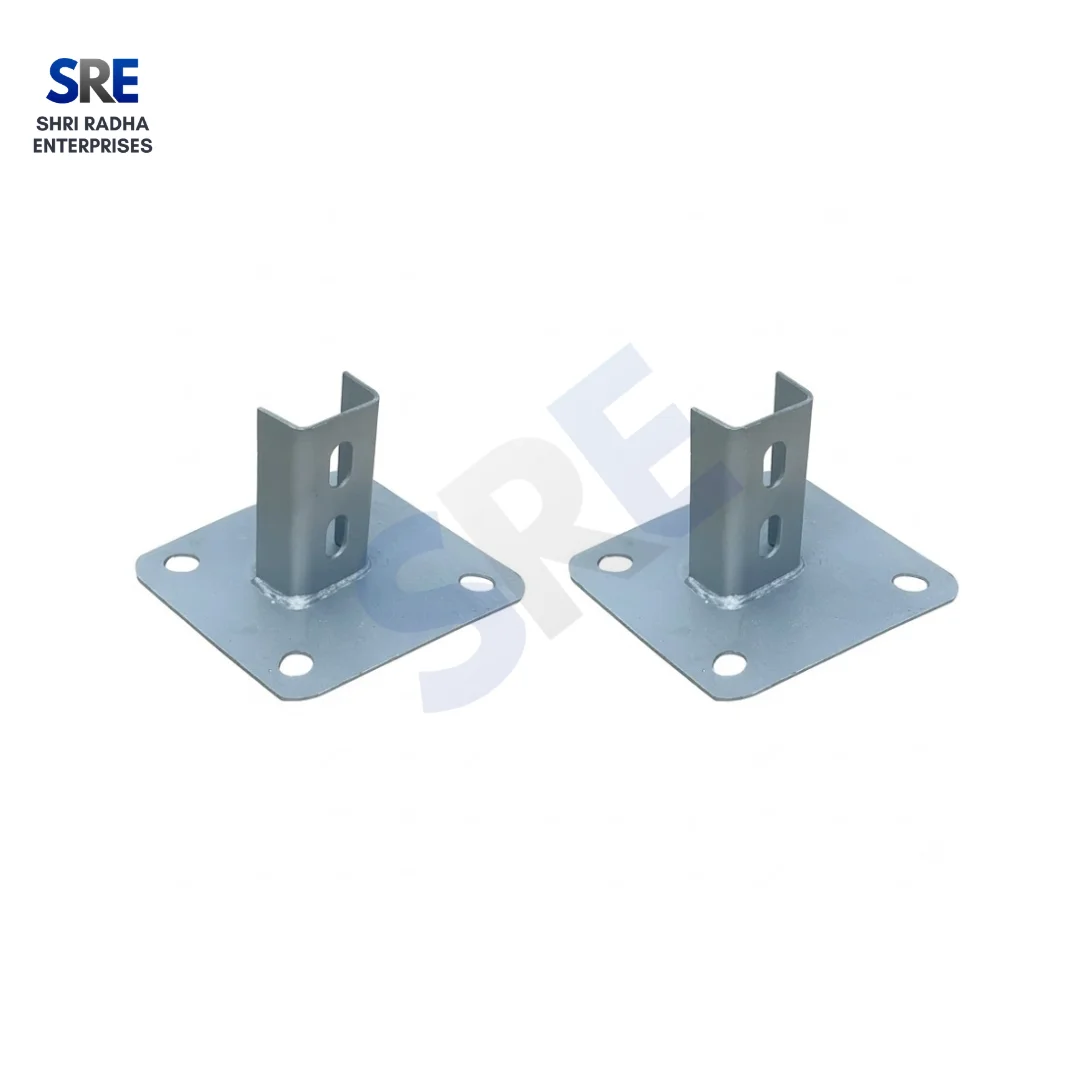
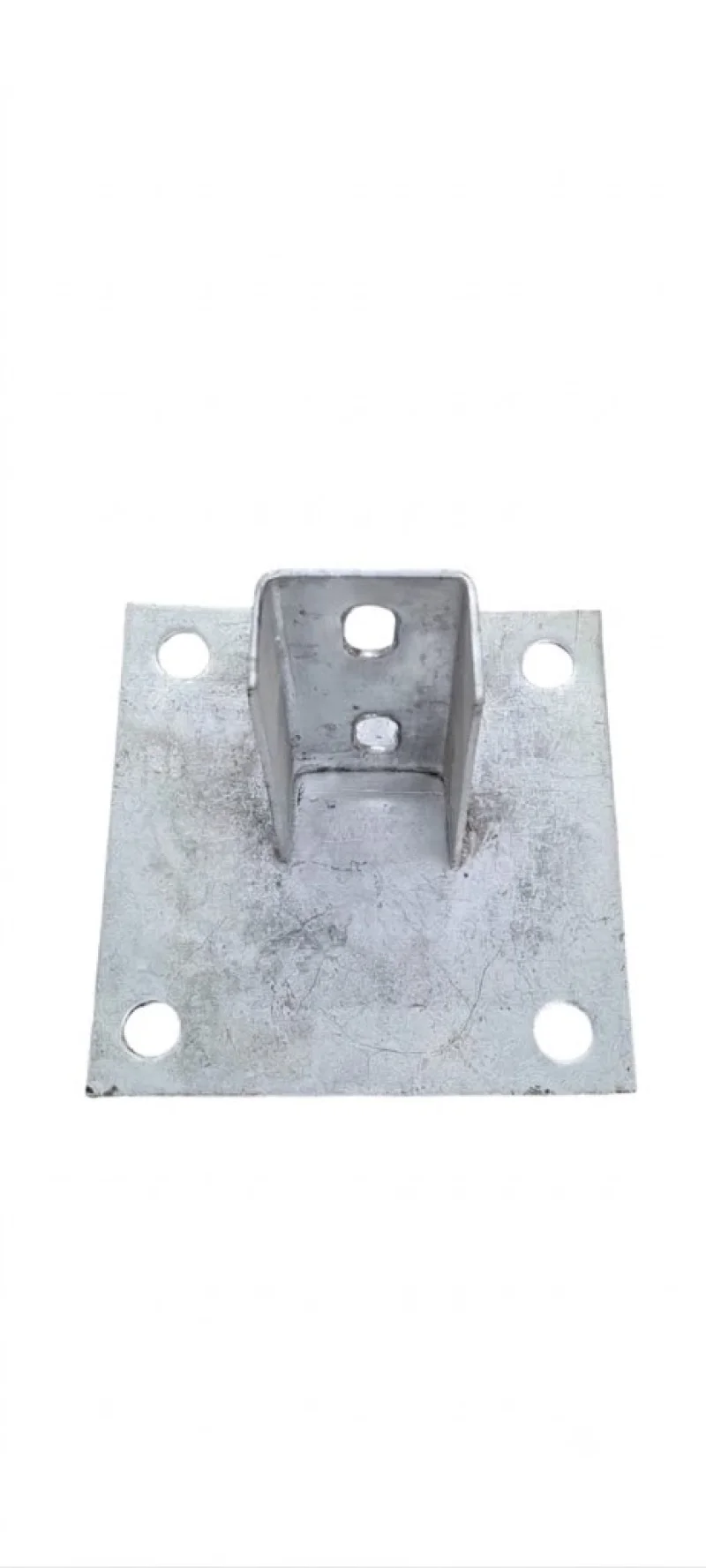
In solar structural engineering, a solar base plate is a heavy-duty, customized metal foundation component—typically manufactured from hot-dip galvanized (HDG) steel, structural carbon steel, or high-grade aluminum. It is designed to sit completely flat against the mounting surface (RCC roof, tin sheet, or concrete foundation block) and features pre-punched slots and precision-welded vertical angles or connection cleats.
Here is the exact mechanical architecture and purpose of a premium solar base plate:
1. The Ultimate Structural Anchor Point
The vertical columns (legs) of the solar module mounting structure are bolted securely to the vertical cleats or slots of the solar base plate. This connection forms the unbreakable root of the entire solar plant, ensuring that all subsequent C-channels, lip channels, and solar panels remain perfectly aligned at the optimal tilt angle for maximum sunlight absorption.
2. Extreme Wind Uplift Resistance
Solar panels have a large surface area and act very much like giant airplane wings. During high-velocity storms or cyclones, the wind creates a massive upward suction force (uplift) that tries to rip the panels off the roof. The base plate, firmly fastened to the concrete or roof structure via heavy-duty expansion anchor bolts, provides the extreme tensile grip needed to hold the entire multi-ton grid down.
3. Safe Dead-Load Distribution
A 100-panel commercial solar plant weighs thousands of kilograms. If the vertical columns are bolted directly into a roof without a wide foundation plate, the concentrated point-load will easily crack the concrete, puncture the waterproofing, or crush a tin shed roof. The solar base plate spreads this massive weight evenly across a much wider footprint, actively protecting the structural integrity of your building.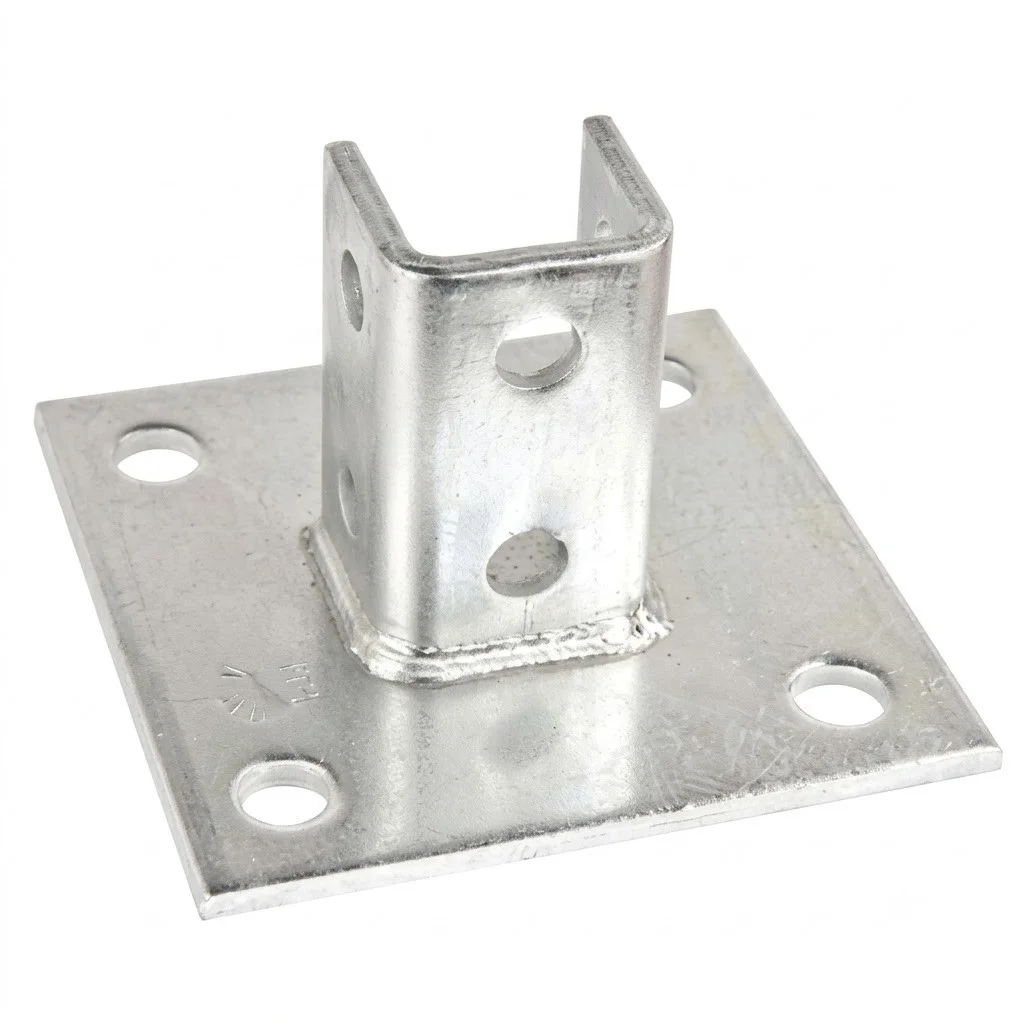
Where Ordinary Solar Installations Fail: The Danger of Skipping Proper Base Plates
If you observe cheap, low-budget local solar installations, you will often find contractors bypassing certified structural components to save a minimal amount of money. Local installers might use raw, ungalvanized scrap iron L-angles, or they might directly drill thin metal pipes into the roof plaster without any base support.
This "jugaad" (makeshift) approach is structurally disastrous for several critical reasons:
- Severe Roof Leakage: When amateur installers drill standard iron angles directly into an RCC (concrete) roof without a proper flat-surface base plate and chemical waterproofing underneath, water easily seeps into the raw drill holes. Within a single monsoon season, the building's ceiling will start leaking, destroying interior walls and industrial equipment.
- Catastrophic Wind Failure: Cheap, thin metal brackets cannot handle high wind shear. During a heavy thunderstorm, the immense aerodynamic pressure on the solar panels will literally rip the thin metal right out of the concrete, turning heavy glass solar panels into flying, deadly projectiles.
- Accelerated Rusting: Non-certified, locally welded iron pieces rust incredibly fast when exposed to open weather. Once the base foundation rusts out, the structural integrity of the entire solar plant drops to zero, putting your 25-year investment at immense risk.
This is precisely why Tier-1 solar EPC (Engineering, Procurement, and Construction) companies strictly reject local angle-iron setups and mandate the use of factory-certified, precision-engineered solar base plates.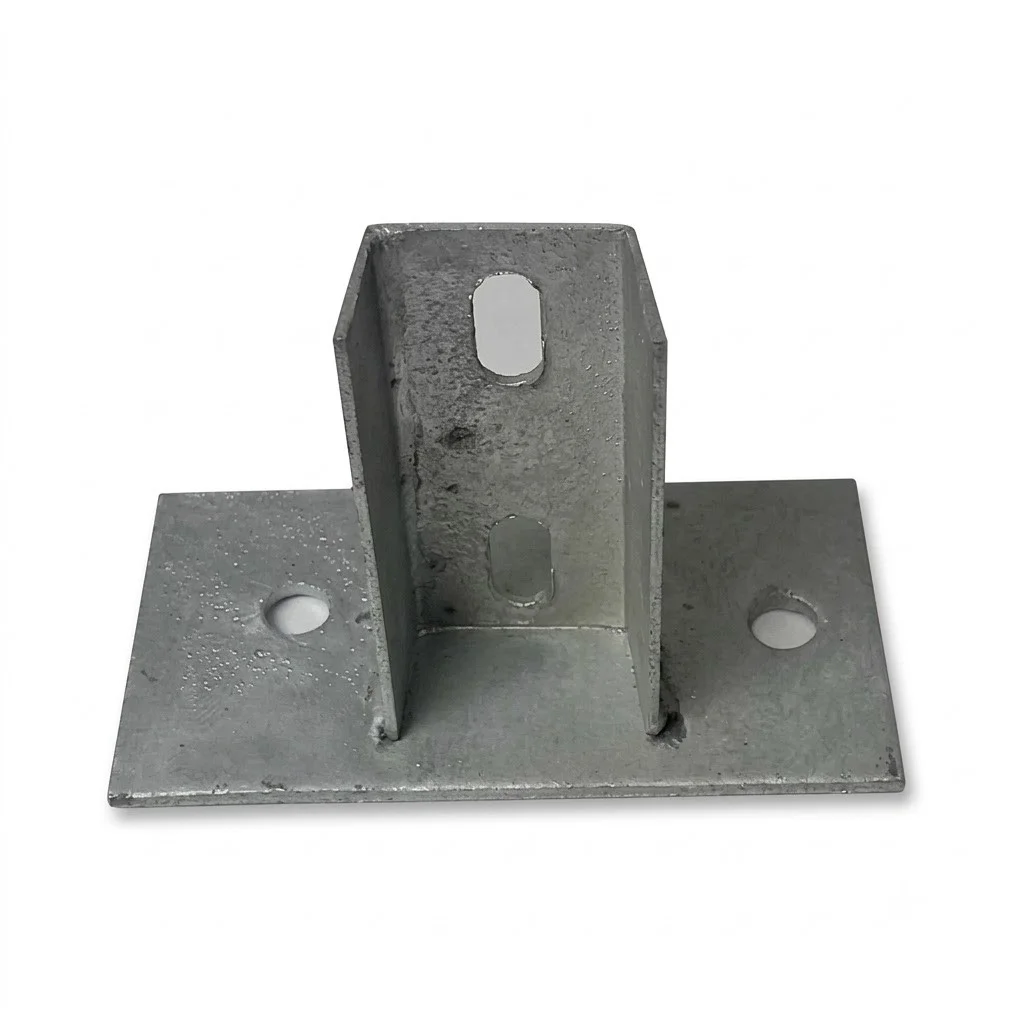
High-Stakes Environments: Where a Solar Base Plate is Absolutely Mandatory
There are specific environments and project scales where relying on a certified solar base plate is not just an option—it is a strict engineering mandate governed by safety codes:
1. High-Wind and Cyclonic Zones
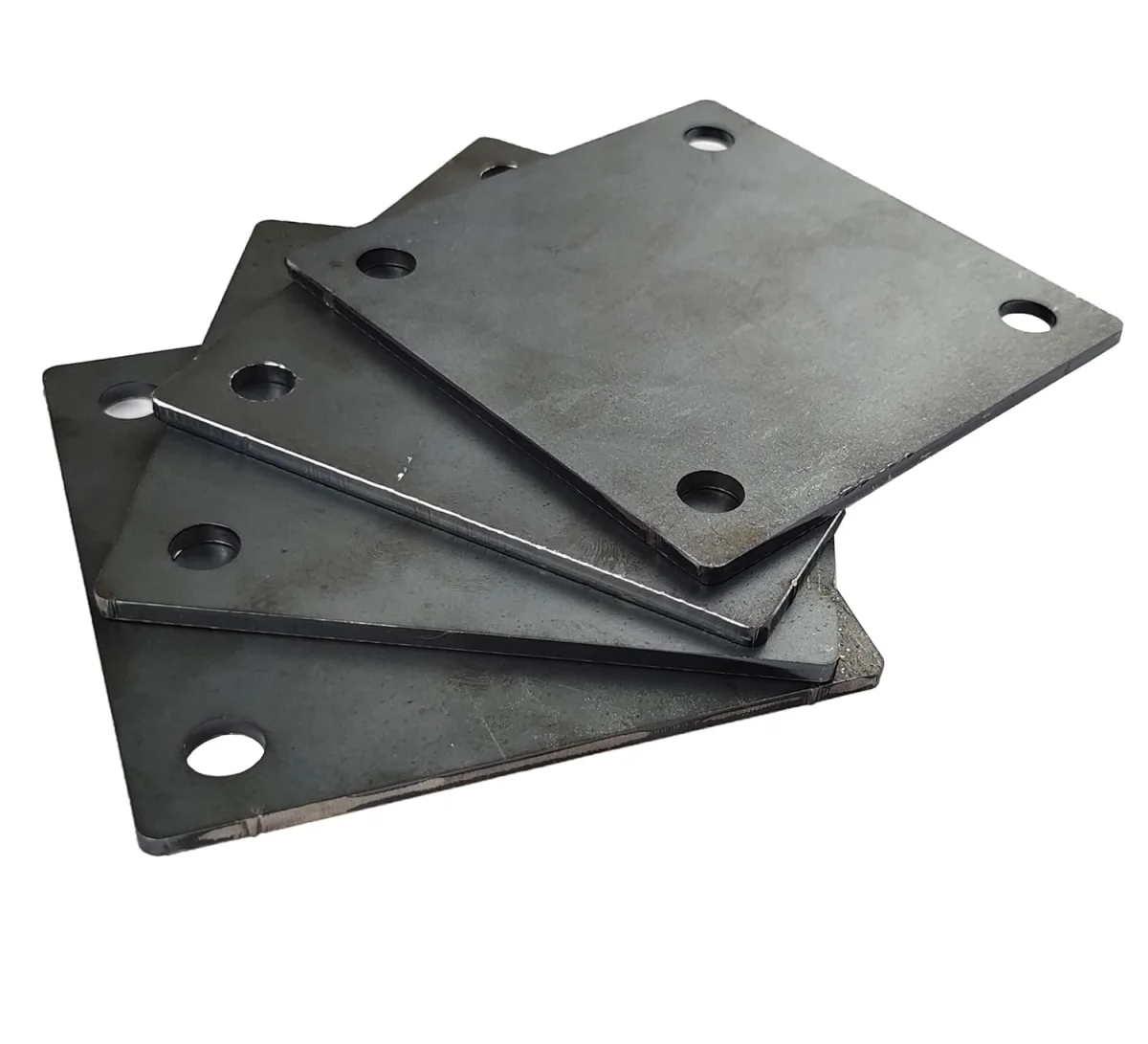
If your solar plant is located in coastal areas, high-altitude regions, or open industrial plains, the wind velocity can easily exceed 150 km/h. The uplift force generated on the structure is staggering. Specialized heavy-duty solar base plates with four-hole anchor designs are strictly required here to prevent the entire multi-lakh structure from being violently uprooted.
2. Commercial Trapezoidal Tin Roofs (Industrial Sheds)
Factories and warehouses typically feature massive metal sheet roofs. You cannot pour heavy concrete foundation blocks on top of a tin shed. Instead, specialized short-rail solar base plates—often equipped with EPDM rubber padding—are used. These plates fit perfectly onto the crests of the tin roof, securing the mounting structure firmly without causing any water leakage, roof deformation, or rust.
3. Elevated RCC Rooftop Structures
In urban centers, solar structures are often elevated 10 to 15 feet high to allow the valuable roof space underneath to be used for recreational or storage purposes. An elevated structure acts like a giant sail and experiences significantly higher lateral sway. Extra-thick, heavy-gauge steel base plates are absolutely mandatory at the foundation to prevent these towering columns from snapping or vibrating dangerously.
4. Large-Scale Ground-Mounted Solar Farms
In Megawatt-scale solar parks built on raw earth, the base plates are bolted to deep concrete piles or rammed posts. These base plates must be perfectly level and structurally invincible to handle the slight shifting of soil over decades, ensuring the massive rows of solar panels remain perfectly aligned across the horizon.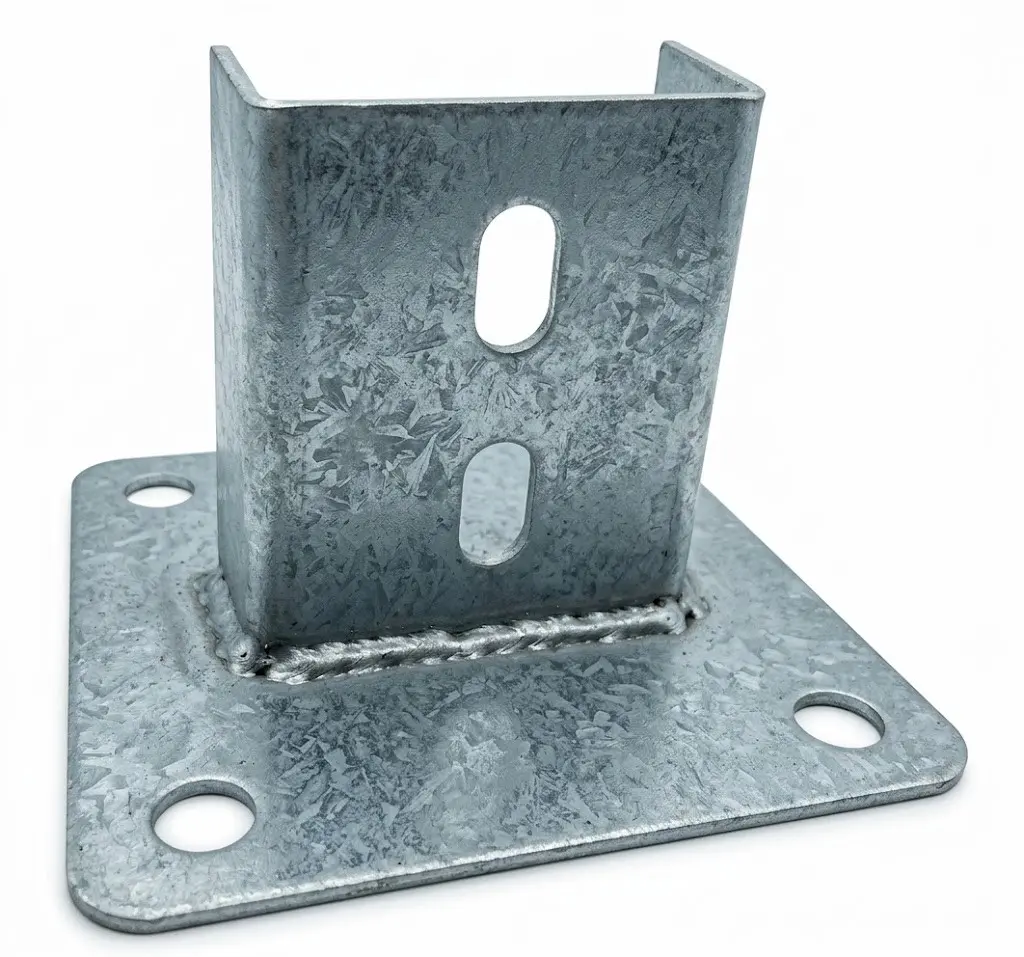
On-Site Safety Precautions: Preventing Structural Catastrophes
Even if you procure the highest-grade solar base plate in the market, the structural integrity of your solar plant ultimately depends on how it is installed. A poorly fastened base plate compromises the entire array, turning a 25-year green energy investment into a high-risk liability.
To ensure zero-failure performance under extreme weather conditions, solar installation teams must strictly enforce the following safety protocols at ground zero:
- Implement Proper Waterproofing (The EPDM Rule): When mounting a solar base plate on an RCC roof or tin shed, you must place an EPDM (Ethylene Propylene Diene Monomer) rubber pad between the metal plate and the roof surface. Additionally, chemical sealants must be injected into the drill holes. This prevents water from seeping beneath the base plate and corroding the anchor bolts or leaking into the building.
- Mandatory Use of Chemical Fasteners for High Loads: For elevated structures or areas with extreme wind speeds, standard mechanical expansion bolts are often insufficient. Installers must use heavy-duty chemical anchors. The chemical resin permanently bonds the anchor rod to the concrete roof, ensuring the solar base plate can withstand massive upward suction forces without pulling out.
- Ensure Absolute Leveling: A solar base plate must sit perfectly flat. If a roof has a heavy slope and the base plate is installed at an angle, the vertical legs of the mounting structure will lean. This eccentric loading forces the structure out of alignment, making panel installation difficult and severely weakening the load-bearing capacity. Always use high-strength non-shrink grout to level uneven concrete surfaces before bolting the plate.
- Calibrated Torque Application: Installers often over-tighten or under-tighten the foundation bolts. Under-tightening allows the structure to vibrate and rattle in the wind, while over-tightening can strip the threads or crack the concrete. A calibrated torque wrench must be used to secure the solar base plate exactly to the structural engineer’s specifications.
Manufacturing Excellence: How Shri Radha Enterprises Builds the Ultimate Solar Base Plate
At Shri Radha Enterprises, we understand that a solar power plant is a multi-decade investment. When structural engineers and top-tier EPC companies design heavy-duty solar arrays, they cannot afford foundation components that warp, rust, or fail under stress.
We do not just fabricate basic metal brackets; we engineer structural anchors. Here is why our manufacturing process sets the industry benchmark for solar foundation hardware:
1. High-Tensile Structural Steel
Cheap base plates flood the market using low-grade, recycled scrap iron that bends under heavy wind shear. We manufacture every solar base plate strictly from premium, high-tensile structural carbon steel. This guarantees absolute rigidity, allowing the foundation to effortlessly handle the combined dead weight of the panels and the dynamic stress of cyclonic winds without deformation.
2. 80-120 Micron Hot-Dip Galvanization (HDG)
Solar structures are entirely exposed to UV rays, heavy monsoons, and corrosive industrial environments for 25+ years. If the base plate rusts, the structure falls. Every single solar base plate we produce undergoes a heavy-duty Hot-Dip Galvanization (HDG) process, coating the steel with a thick 80 to 120-micron zinc barrier. This delivers zero-maintenance, rust-proof performance for decades, even in high-humidity coastal zones.
3. CNC Precision Punching and Automated Welding
A mismatched bolt hole slows down the entire installation process and increases labor costs. Our manufacturing facility utilizes advanced CNC machinery to punch base plate slots and anchor holes with absolute, sub-millimeter precision. Furthermore, the vertical cleats are fused to the base using deep-penetration automated welding, ensuring the joint never snaps under lateral pressure.
4. Custom Engineering for Any Roof Profile
Whether you need heavy-duty square plates for RCC roofs, specially angled bases for ground mounts, or short-rail plates for industrial trapezoidal tin sheds, we manufacture highly specialized profiles engineered to distribute weight perfectly across any surface without causing structural damage.
Direct Factory Pricing: Elevating ROI for Solar EPCs
In the competitive solar industry, EPC companies and commercial contractors must balance structural safety with project profitability. Purchasing foundation hardware through local traders, middlemen, or secondary distributors unnecessarily inflates your capital expenditure.
By partnering directly with Shri Radha Enterprises, you completely bypass the middleman markup. We deliver high-volume, project-ready solar mounting hardware directly from our advanced manufacturing facility to your project site. This direct-to-contractor supply chain ensures you receive Tier-1, mill-certified solar base plates at genuine wholesale factory pricing. You secure a fail-proof foundation for your clients while maximizing your project's Return on Investment (ROI).
Shri Radha Enterprises Team
We specialize in nylon rollers, sliding gate wheels, gate hardware, scaffolding items, cuplock systems, and accessories.