The Base Plate Rule:Why 90% of Scaffold Tilts Start at Ground Zero
Featured Products
The Ground Zero of Scaffolding Safety: Why Every Massive Structure Rests on a Base Plate
When we talk about high-altitude scaffolding and heavy-duty structural staging, most contractors immediately think about vertical standards, horizontal ledgers, or heavy cross-bracing. While those components dictate the framework, they all share one critical vulnerability: gravity. Every single kilogram of steel pipe, wooden plank, wet concrete, and human labor moving on a scaffold tower ultimately travels downward.
If this immense, concentrated weight is transferred directly onto raw soil or a concrete floor through the sharp edge of a vertical pipe, disaster is mathematically guaranteed. This is precisely where the most critical, yet often overlooked, component of the entire scaffolding matrix comes into play: the base plate.
At the absolute foundation of every secure scaffolding tower sits the base plate, an engineered steel component designed to safely distribute thousands of kilograms of concentrated vertical pressure across a wider surface area. Without it, your vertical standards become structural needles, ready to pierce the ground and collapse the entire system.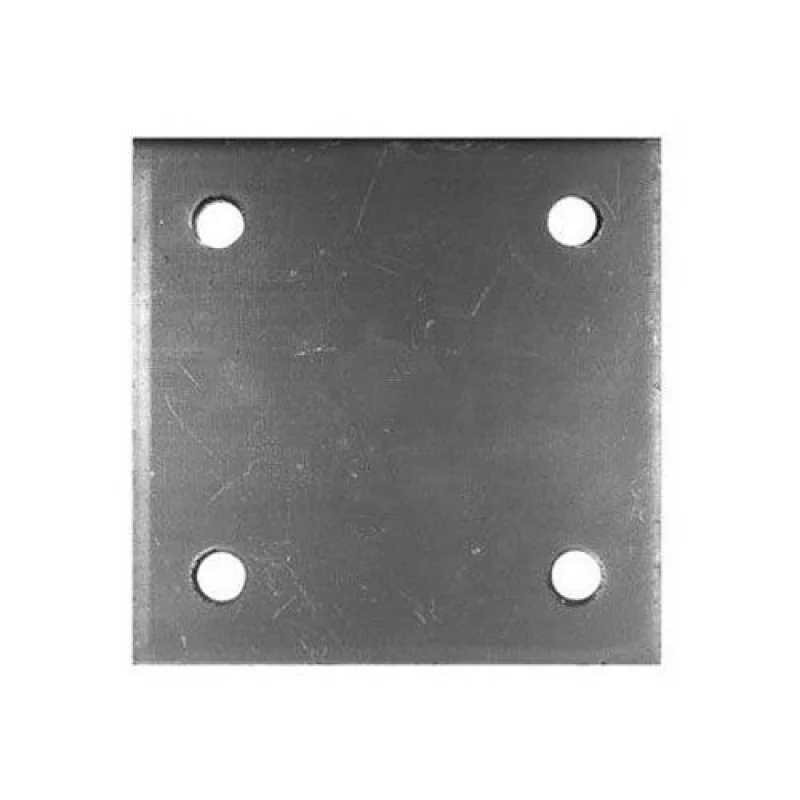
What Exactly is a Base Plate and How Does it Work?
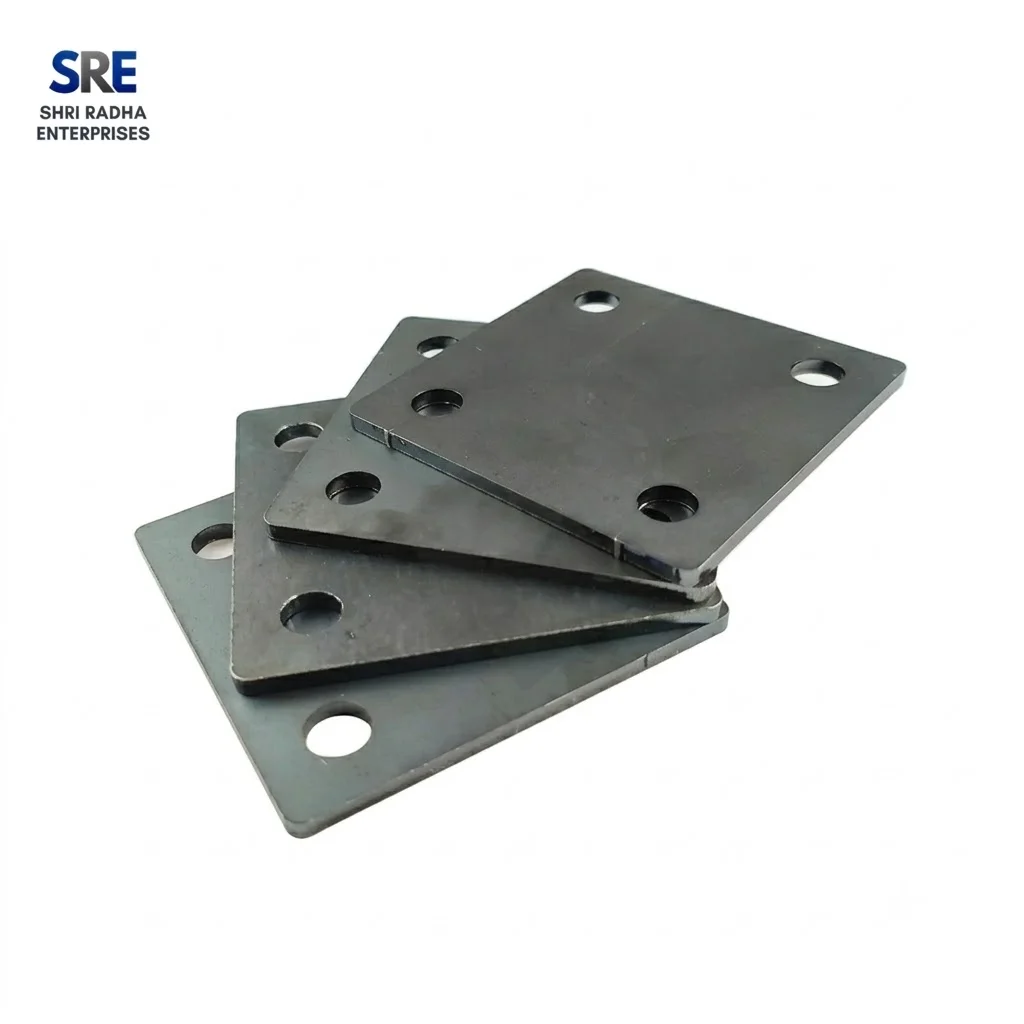
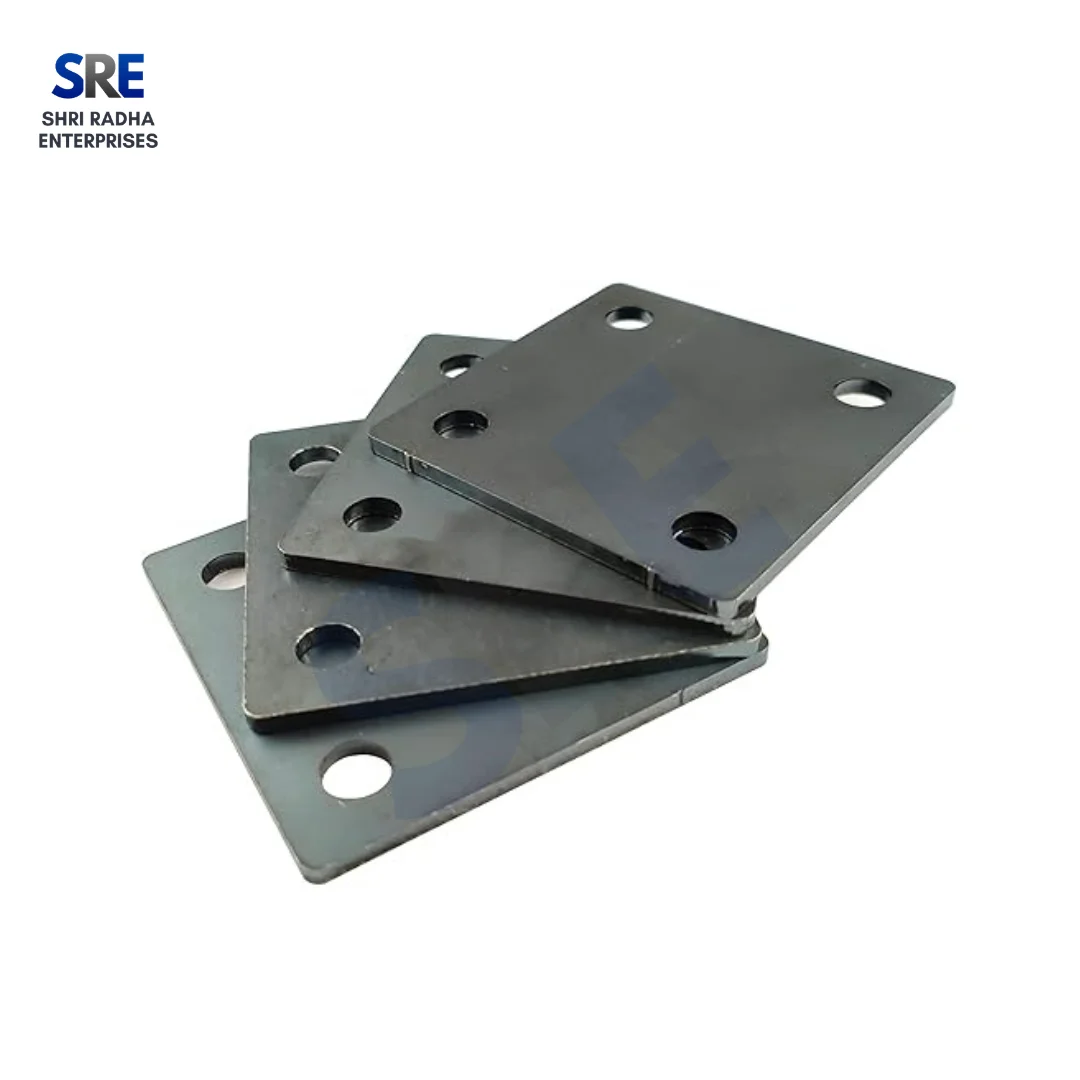
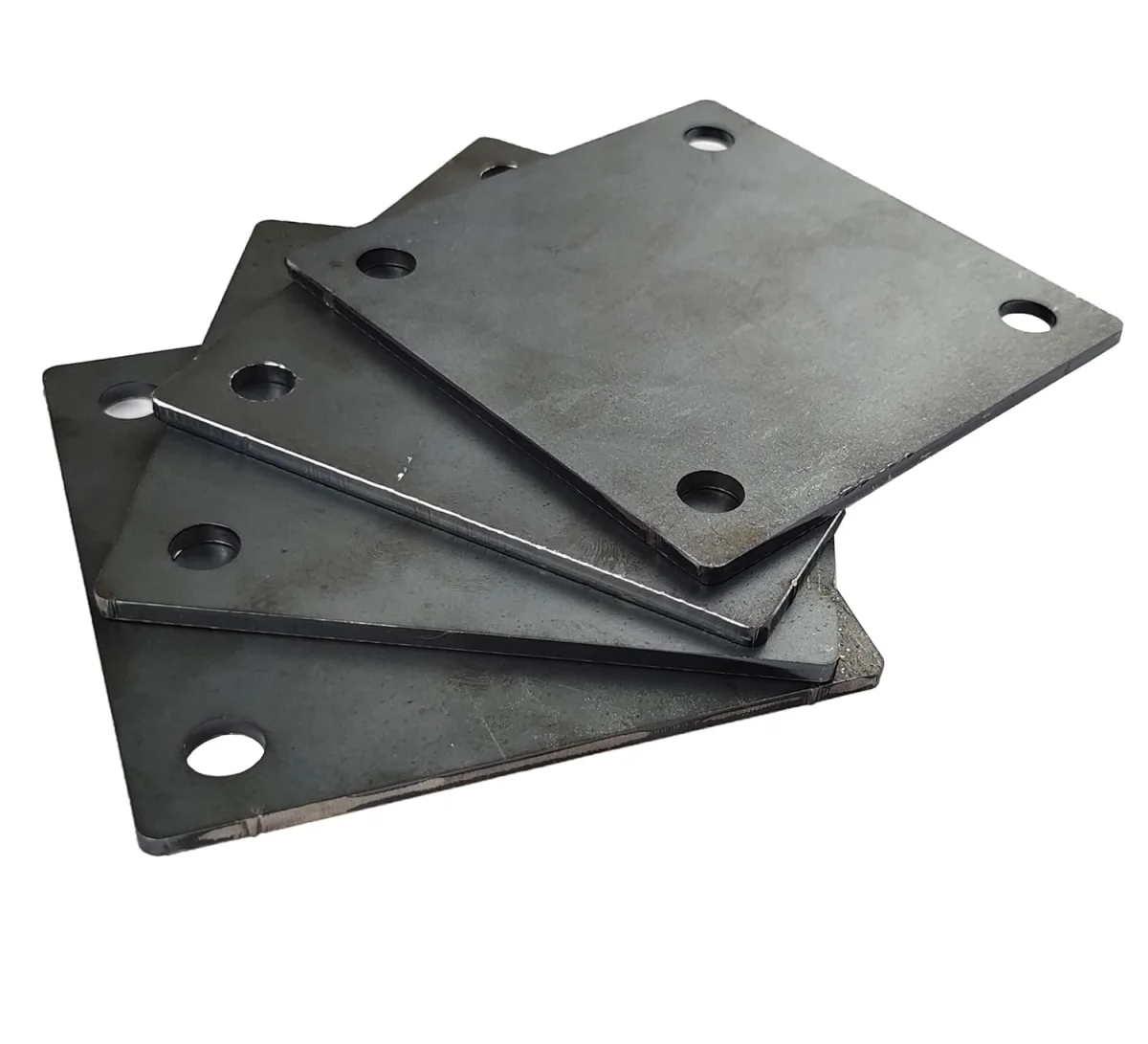
In structural engineering, a scaffolding base plate is a heavy-duty, flat steel plate—typically square—that features a centrally welded vertical shank (or spigot).
Here is the exact mechanical flow of how it operates on a live site:
- The Shank Connection: The hollow bottom of the first vertical scaffolding standard (the lowest pipe in your tower) slides directly over the central shank of the base plate.
- Point Load Conversion: As weight pushes down through the vertical tube, the vertical force hits the flat steel plate.
- Surface Area Distribution: Instead of a concentrated 48mm circular impact (which would easily sink into mud or crack a concrete slab), the base plate spreads this weight evenly across a 150mm x 150mm (or larger) footprint.
By drastically increasing the surface area, the plate effectively reduces the bearing pressure on the ground, preventing the scaffolding from sinking.
Where Ordinary Scaffolding Fails: Why Some Sites Skip It (And Why It’s Dangerous)
If you visit a small, local residential construction site for basic exterior painting or minor brickwork, you might see traditional bamboo scaffolding or basic pipe-and-clamp setups resting completely bare on the dirt. Sometimes, laborers will just shove a piece of scrap wood or a broken brick under the pipe.
This happens for a few reasons:
- Low Budget & Negligence: Local contractors often cut corners to save a few rupees on hardware, assuming the weight of a two-story paint job won't cause the pipes to sink.
- Static, Low-Weight Loads: If the scaffold is only holding two workers and a bucket of paint, the ground might hold up temporarily.
However, this practice is highly dangerous. Even on small sites, a heavy rainstorm can instantly turn firm soil into soft mud. Without a base plate, the steel pipe will immediately slice into the wet ground, causing the scaffolding tower to tilt. A tilt of just a few degrees at the bottom translates into massive, fatal instability 20 feet in the air.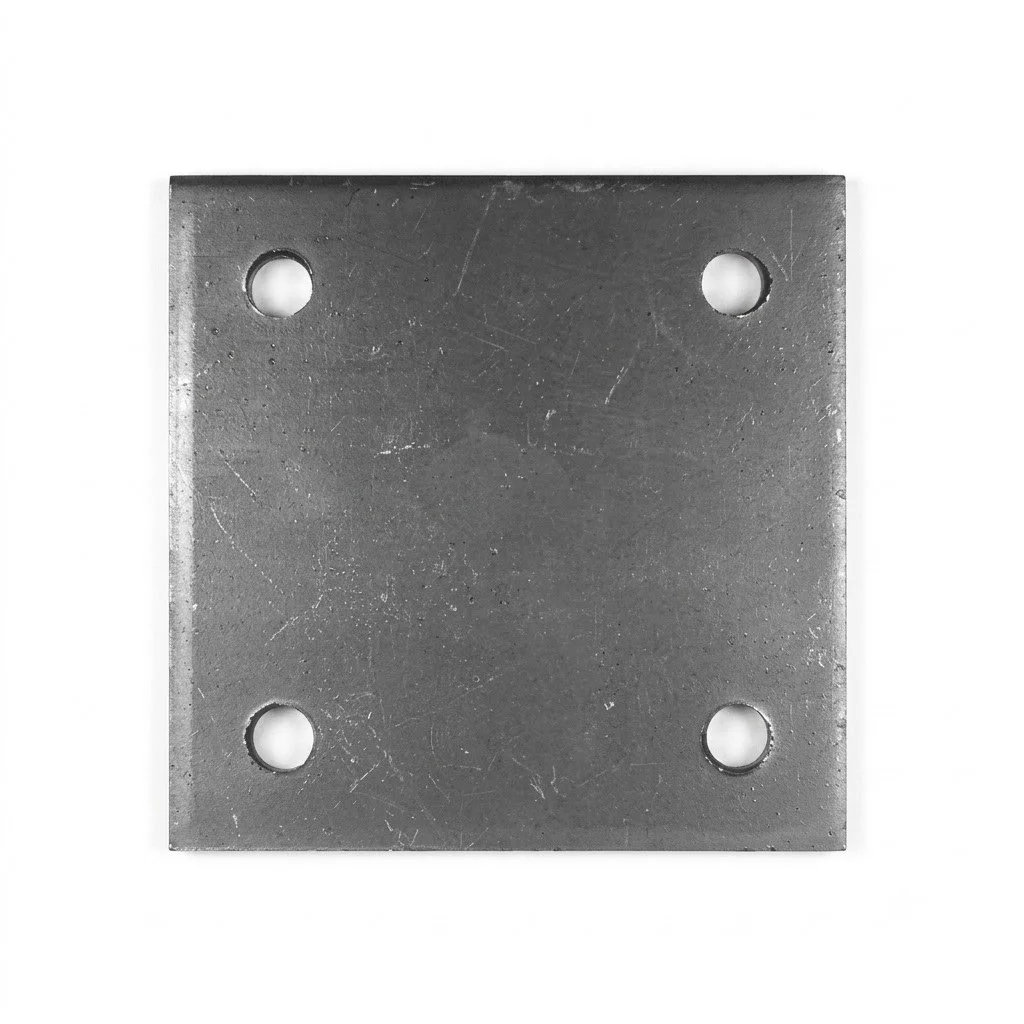
High-Stakes Environments: Where a Base Plate is Absolutely Mandatory
When you step into the world of Tier-1 commercial construction, heavy infrastructure, or industrial maintenance, skipping the base plate is an immediate safety violation. In these environments, the load dynamics are extreme, and ground conditions are unpredictable.
Here is where the use of a certified base plate is strictly required:
1. Heavy Slab Shoring and Bridge Girders
When a contractor is pouring 200 tons of wet concrete for a commercial podium slab or a highway flyover, the dead load pressing down on the scaffolding is immense. If even one vertical standard sinks by just half an inch due to a lack of a base plate, it causes "differential settlement." The concrete above will warp, crack, or completely collapse because the supporting grid shifted underneath it.
2. Multi-Story Facade Work
On 30-story high-rises, scaffolding towers wrap around the entire building. The sheer dead weight of the 30-story steel framework alone is staggering, before you even add workers and materials. The ground-level vertical pipes bear the cumulative weight of everything above them. Heavy-duty base plates are mandatory to distribute this colossal pressure evenly onto the pavement or foundation.
3. Soft Soil, Sand, and Uneven Terrain
Industrial projects often take place on raw earth, loose gravel, or coastal sand. A bare vertical pipe will sink into these soft surfaces like a knife through butter. To ensure safety, a base plate is used—and often placed on top of a larger wooden sole board—to maximize the footprint and keep the structure perfectly rigid and plumb, no matter how soft the earth beneath it is.
4. Polished Concrete or Finished Industrial Floors
In factories or aviation hangars, scaffolding is often erected for ceiling maintenance. Placing bare steel pipes directly on a finished epoxy or polished concrete floor will cause severe scratching, cracking, and structural damage to the flooring. A specialized base plate ensures the weight is spread safely, protecting both the workers above and the expensive flooring below.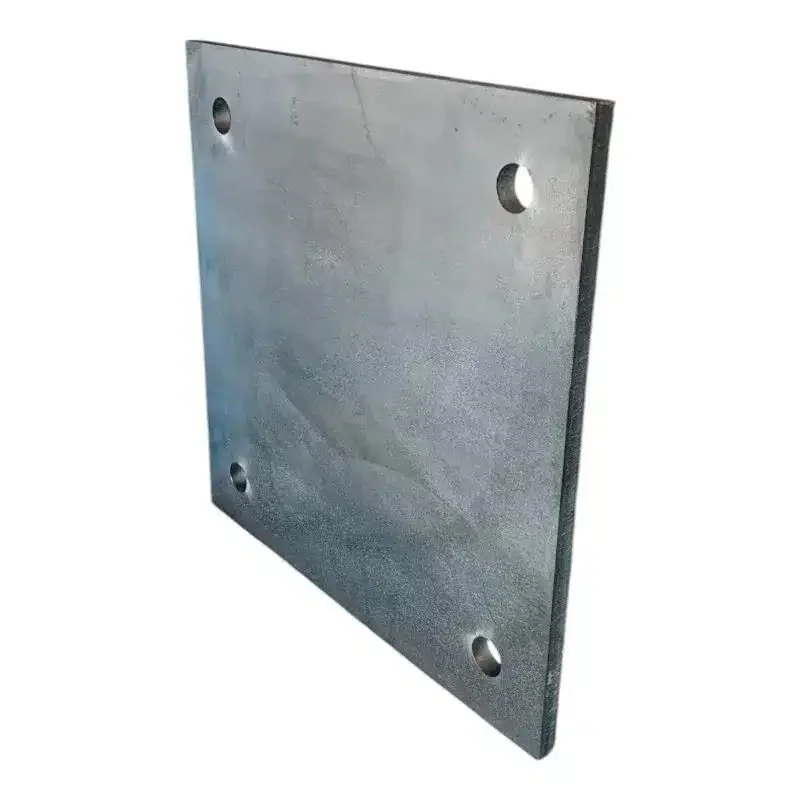
On-Site Safety Precautions: Securing the Ground Zero
Even the highest-quality steel base plate can fail if on-site ground preparation and installation protocols are ignored. Because this component sits at the very bottom of the structure, any mistake made here is multiplied as the scaffolding tower rises.
To prevent catastrophic structural shifts, site engineers and safety officers must enforce the following critical guidelines:
- Always Use Timber Sole Boards on Soil: If you are erecting scaffolding on mud, grass, or raw earth, placing a steel plate directly on the ground is not enough. You must place a thick timber plank (sole board) beneath the base plate. The sole board further multiplies the surface area, ensuring the scaffolding remains rigid even if it rains and the soil turns to mud.
- Never Place on Slanted or Uneven Ground: The base must sit completely flat. If a plate is placed on a slope or a piece of debris, the downward weight will push the vertical standard at an angle. This eccentric loading causes the vertical pipe to bend and dramatically reduces the load-bearing capacity of the entire tower.
- Verify the Shank Fit: The vertical scaffolding tube must slide smoothly and completely over the base plate shank. If there is concrete debris or deep rust preventing a full connection, the pipe will rest on the edge of the shank rather than the flat plate, creating a highly unstable hinge point.
- Watch for Washouts: On long-term outdoor projects, heavy rains can wash away the soil underneath the foundation. Safety teams must inspect the ground around every single base daily to ensure the earth hasn't eroded away, leaving the base suspended in the air.
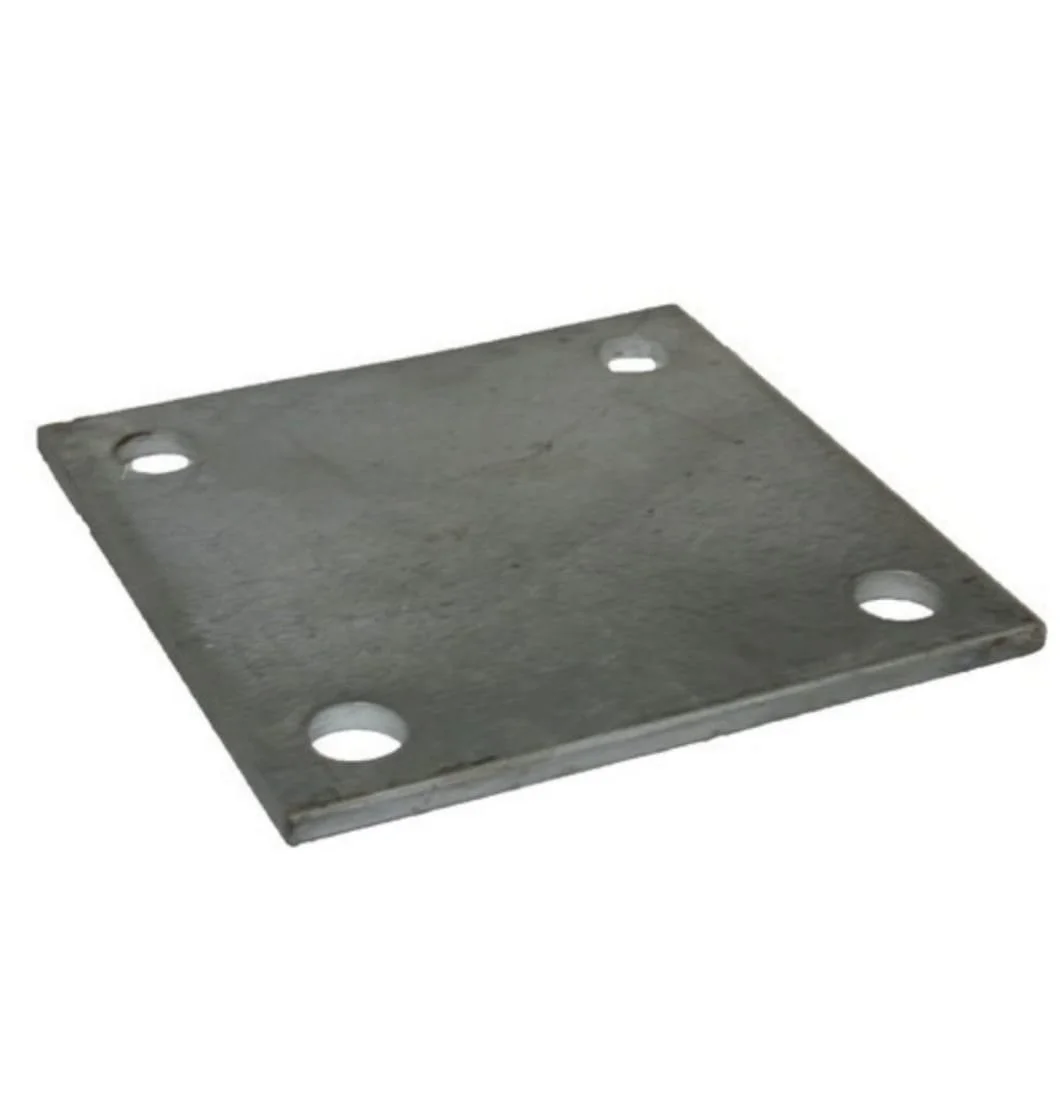
Manufacturing Excellence: How Shri Radha Enterprises Forges the Best Base Plates
At Shri Radha Enterprises, we know that a scaffolding tower is only as strong as the foundation it rests on. We do not manufacture basic "metal squares"; we engineer heavy-duty structural load-distributors. When hundreds of tons of concrete and steel are towering above your workers, you cannot rely on flimsy, lightweight scrap metal.
Here is how our manufacturing process guarantees zero-compromise safety:
1. High-Tensile Structural Steel Plates
Cheap, uncertified base plates are often cut from thin, mild scrap steel that bends or curls upward at the edges under extreme pressure. We use strictly high-tensile, heavy-gauge steel for our plates. This ensures maximum rigidity, allowing the base plate to distribute immense compressive loads across its entire surface without warping or bowing.
2. Deep-Penetration Shank Welding
The connection between the flat plate and the vertical shank is a critical stress zone. If the weld breaks, the standard slips off the plate. We utilize advanced, deep-penetration automated welding lines to fuse the shank directly to the steel plate. This structural fusion guarantees the shank will never snap or separate, even under severe lateral vibrations or dynamic concrete pouring.
3. Precision Engineering and Standardization
Every single shank is engineered with strict dimensional tolerances. This guarantees a perfect, zero-wobble fit into standard scaffolding tubes (like Cuplock or Ringlock verticals). There is no struggling to fit the pipe over the spigot, and no dangerous "play" or shaking once the pipe is seated.
4. Heavy-Duty Anti-Corrosion Finish
Because base plates spend their entire lifecycle in the dirt, mud, and water, they are highly susceptible to rust. We treat every base plate with industrial-grade zinc galvanization or heavy protective coatings. This barrier prevents deep structural rust, ensuring the hardware remains strong and reusable for years across multiple harsh project environments.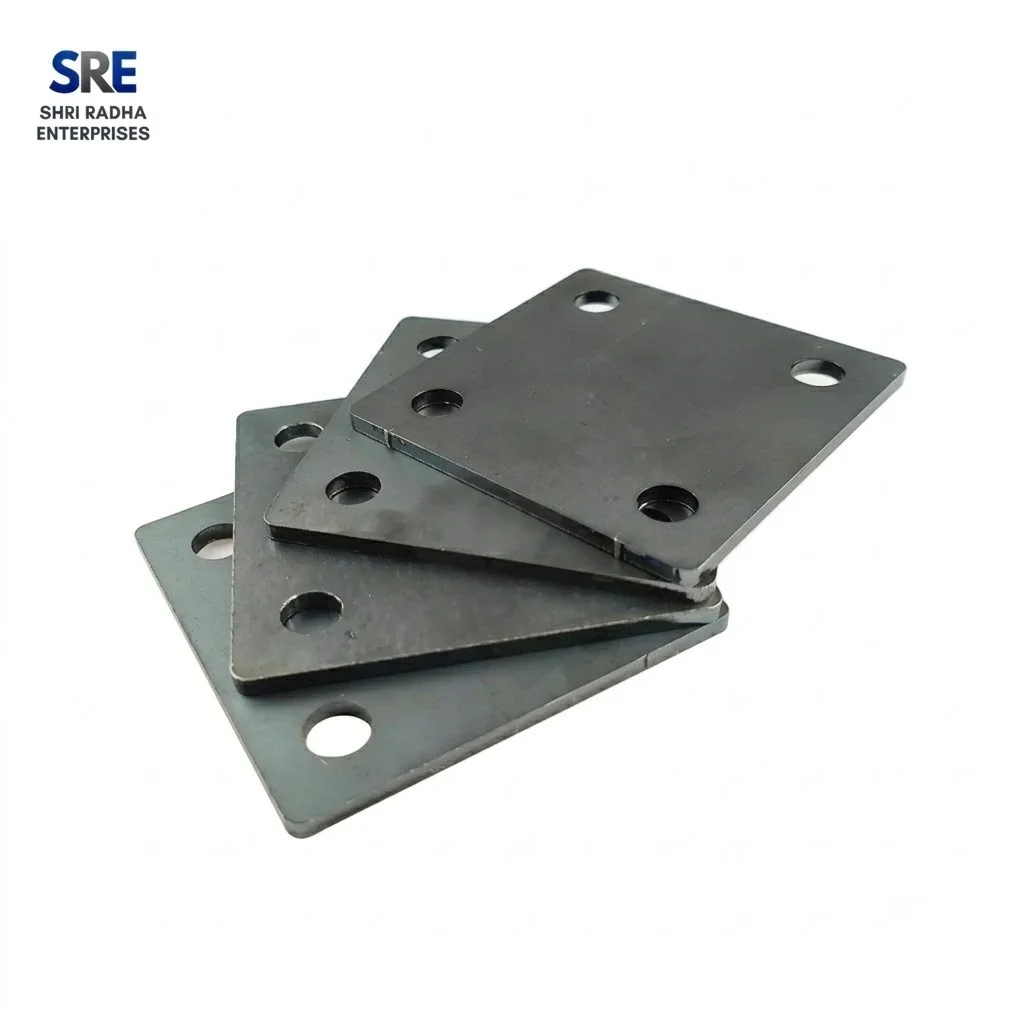
Direct Factory Pricing: Premium Hardware, Maximum ROI
Procuring foundational safety equipment shouldn't inflate your project budget unnecessarily. By partnering directly with Shri Radha Enterprises, you bypass the entire chain of local hardware traders, distributors, and brokers.
We supply our heavy-duty scaffolding hardware straight from our manufacturing facility to your project site. This direct-to-contractor model means you receive certified, Tier-1 base plate inventory at transparent, wholesale factory prices. You protect your workforce, ensure structural compliance, and maximize your capital efficiency all at the same time.
Bhai, is complete "base plate" blog ke liye complementary SEO Meta Elements, URL Slug, aur detailed FAQs ready hain:
SEO Meta Data
- Focus Keyword: base plate
- Meta Title (0/60): Scaffolding Base Plate Safety Guide | Shri Radha Enterprises
- Meta Description (0/160): Discover why a heavy-duty base plate is mandatory for scaffolding stability. Prevent soil sinking and structural collapse with premium steel plates from SRE.
- Meta Keywords: base plate, scaffolding base plate, steel base plate, fixed base plate, scaffolding foundation, heavy duty base plate, scaffolding hardware, Shri Radha Enterprises
- URL Slug: scaffolding-base-plate-foundation-safety-guide
Frequently Asked Questions (FAQ)
Q1: Kya choti painting ya plastering sites pe base plate lagana zaroori hai?
Haan bhai, bilkul zaroori hai. Aksar local log soche hain ki 2-3 manzil ki building me kya hi wazan hoga, aur pipes ko seedhe mitti pe khada kar dete hain. Lekin agar thodi si bhi barish ho jaye ya mitti gili ho, toh steel pipe turant mitti me dhans jayega. Zameen par 1-2 inch dhansne ka matlab hai upar platform par kai feet ka tilt aana, jisse scaffold gir sakta hai.
Q2: Normal Base Plate aur Adjustable Base Jack me kya farq hota hai?
Normal base plate ek fixed foundation component hoti hai jo flat surfaces ke liye use hoti hai, jahan zameen ekdum level me ho. Lekin agar aapki site uneven (unchi-neechi) hai, toh wahan "Adjustable Base Jack" use hota hai. Usme base plate ke upar ek lamba threaded pipe (chudi wala pipe) hota hai aur ek heavy nut hota hai, jisse aap scaffolding ki height ko zameen ke hisaab se adjust kar sakte hain.
Q3: Agar mitti wali zameen par base plate ke neeche lakdi (sole board) na lagayein toh kya nuksan hai?
Base plate ka kaam weight ko spread karna hai, lekin raw mitti (soft soil) par 150x150mm ka steel plate bhi pressure se dhans sakta hai. Lakdi ka mota patta (sole board) lagane se surface area kai guna badh jata hai. Agar aap pukke concrete floor pe kaam kar rahe hain, toh sirf base plate chalegi, lekin mitti, ret ya ghaas wali zameen pe sole board lagana safety ke liye 100% zaroori hai.
Q4: Shri Radha Enterprises ki base plate ordinary local market ki plates se behtar kyun hai?
Local market me milne wali sasti plates scrap iron (kabaad ke lohe) ko kaat kar banayi jati hain. Jab unpar heavy concrete ka load padta hai, toh unke edges (kinare) upar ki taraf mud jate hain (bending). Shri Radha Enterprises strictly high-tensile structural steel aur automated deep-penetration welding use karta hai. Hamari plates heavy load ke under na jhukti hain, na unka spigot (shank) plate se alag hota hai.
Q5: Direct factory se base plates kharidne ka financial fayda kya hai?
Jab aap kisi local trader ya middleman se hardware lete hain, toh unka apna profit margin aur transportation cost add ho jata hai. Shri Radha Enterprises ek direct manufacturer hai. Iska matlab hai ki aapko heavy-duty, certified scaffolding components seedhe factory se milte hain, wo bhi genuine wholesale pricing par. Isse aapke project ka budget bhi control me rehta hai aur aapko zero-compromise safety milti hai.
Shri Radha Enterprises Team
We specialize in nylon rollers, sliding gate wheels, gate hardware, scaffolding items, cuplock systems, and accessories.