Scaffolding Base Plate Inspection Guide: Stop Supplier Fraud Instantly on Site
Featured Products
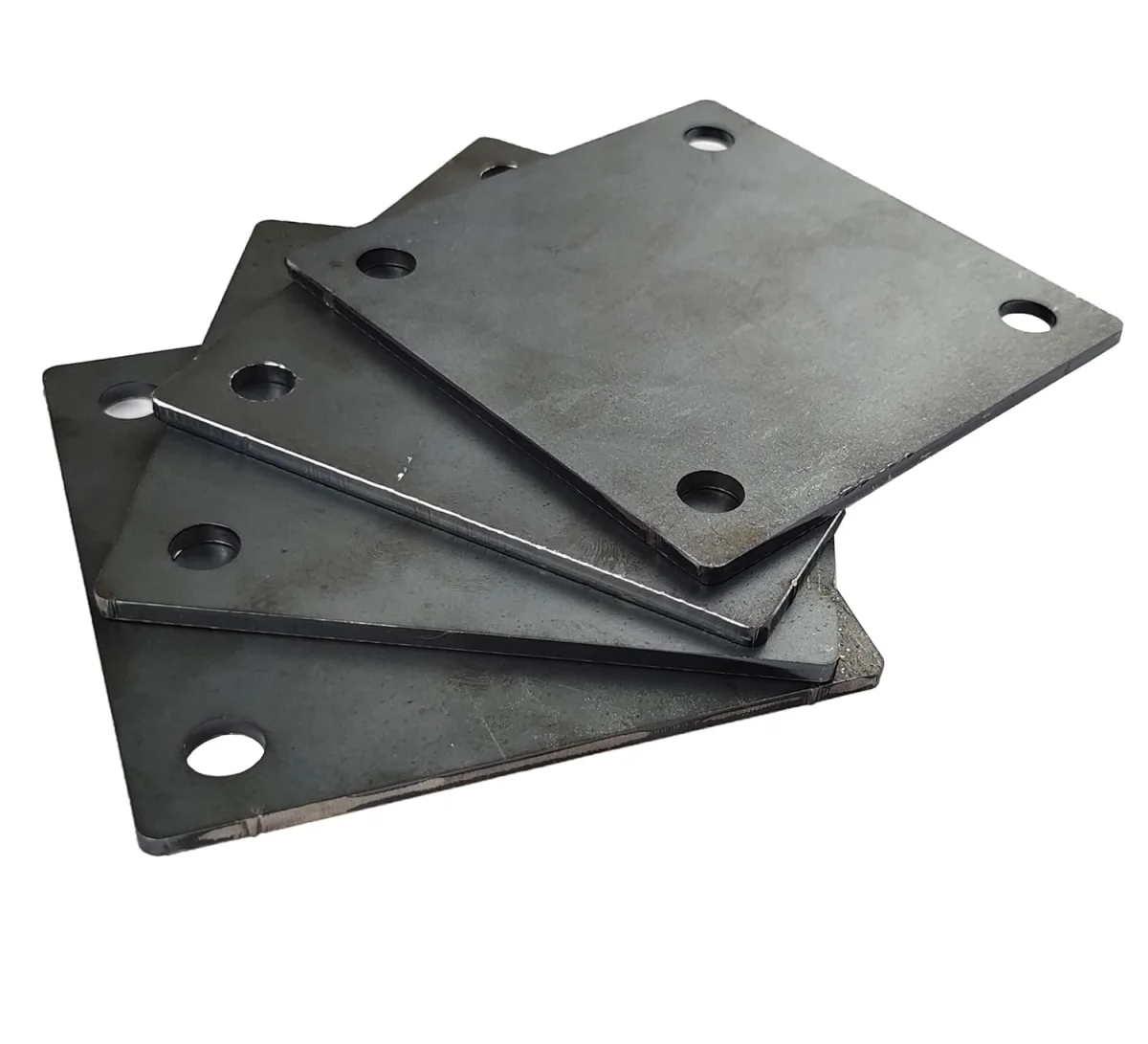
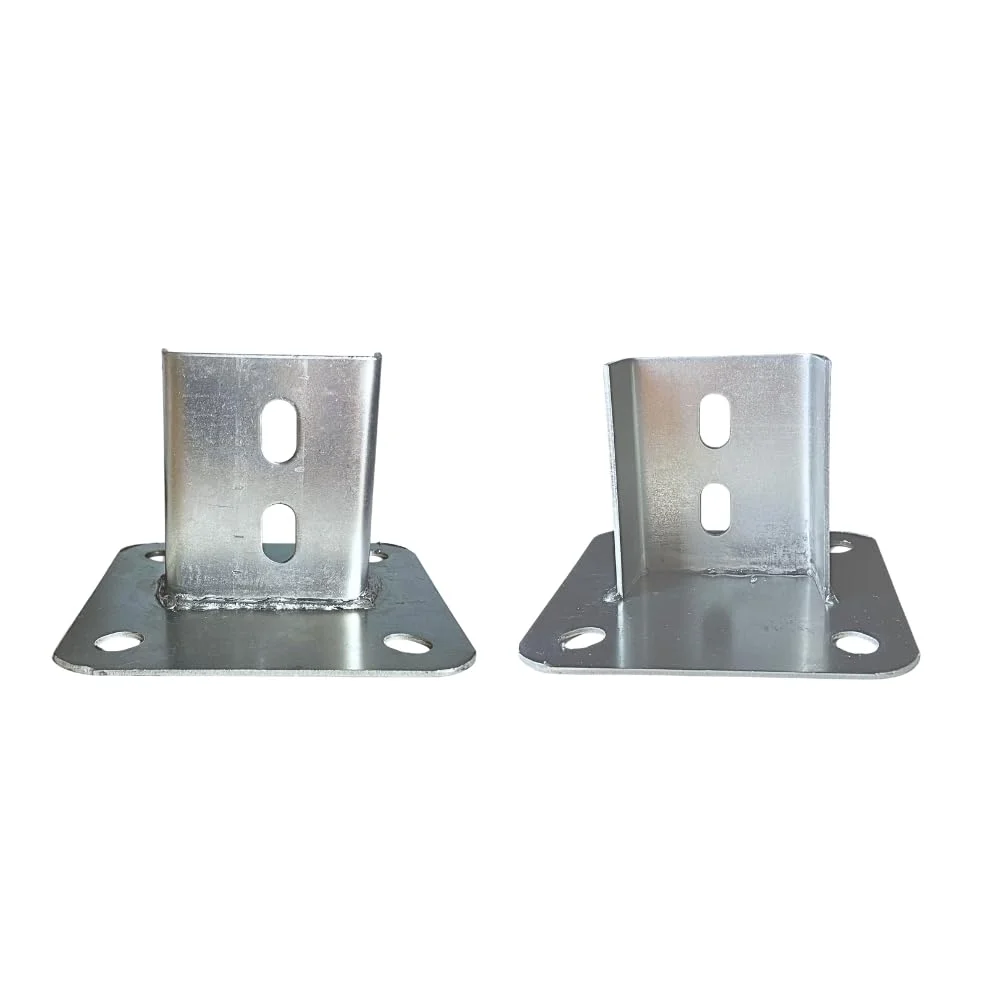
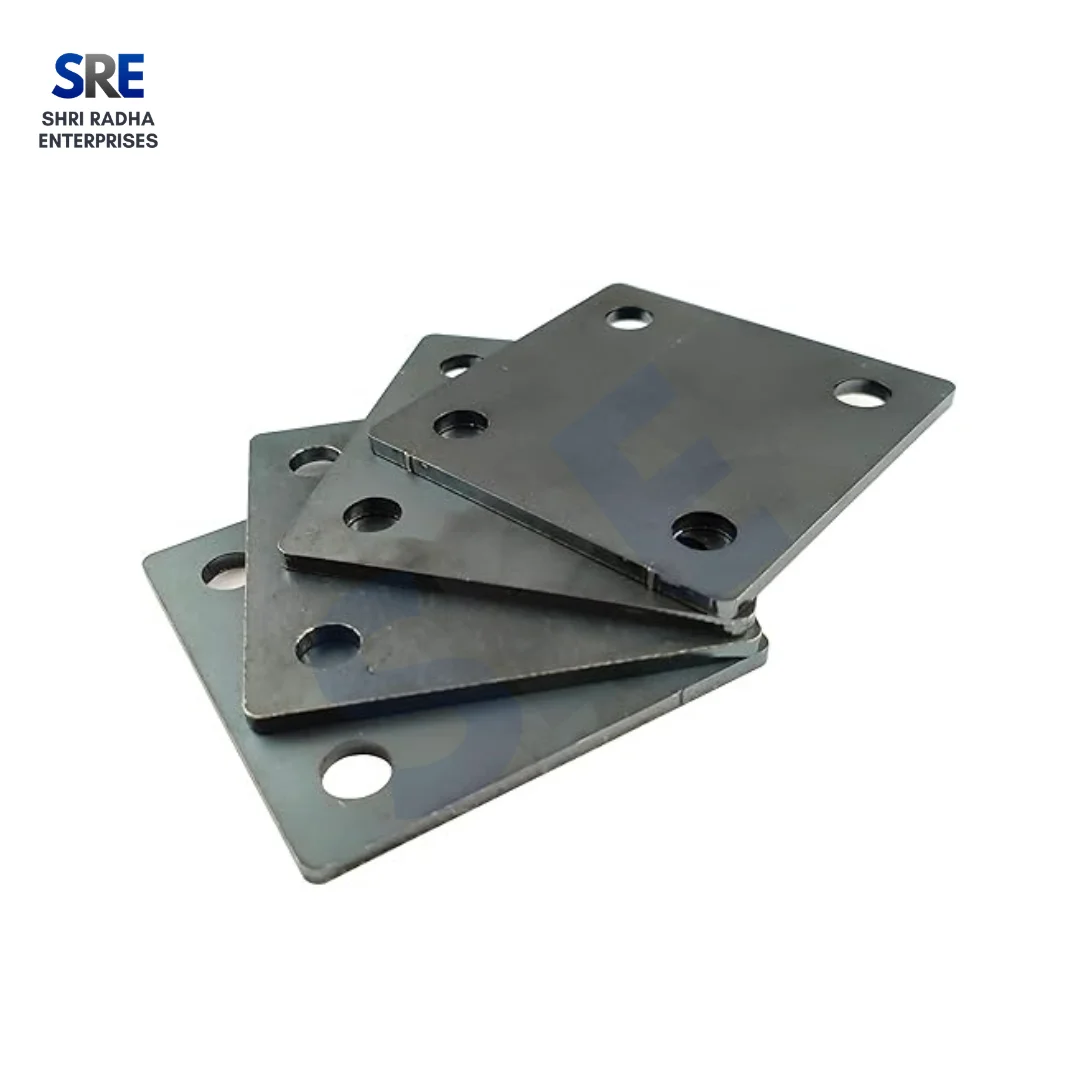
Scaffolding Base Plate Inspection Guide: How to Catch Supplier Fraud Instantly on Site
Imagine this: You’ve just placed a massive bulk order for thousands of scaffolding base plates for your construction project. The supplier made grand promises over the phone, assuring you that you’re getting top-notch, certified structural steel at a price no one else can match. But the exact moment the flatbed truck pulls into your site and the unloading begins, the real game starts. Do you actually know if the steel plates landing on your ground match the exact specifications you paid for? Or has the supplier quietly cut corners, banking on the fact that contractors rarely pull out measuring tools in the middle of a chaotic unloading bay?
In the B2B world, sketchy manufacturers rely on a single, dirty assumption—they assume that managers and business owners stay confined to their comfortable office cabins, completely detached from the micro-level realities on the ground. They think no one is going to check a millimeter here or a few grams there. But in structural construction, that tiny, unchecked discrepancy is exactly where you lose your hard-earned money. A single substandard, thin, or poorly welded base plate can compromise your entire scaffolding structure, risking a catastrophic failure on site. If you want to protect your project from severe structural hazards and save your company from losing lakhs to material theft, this practical guide is your ultimate defense.
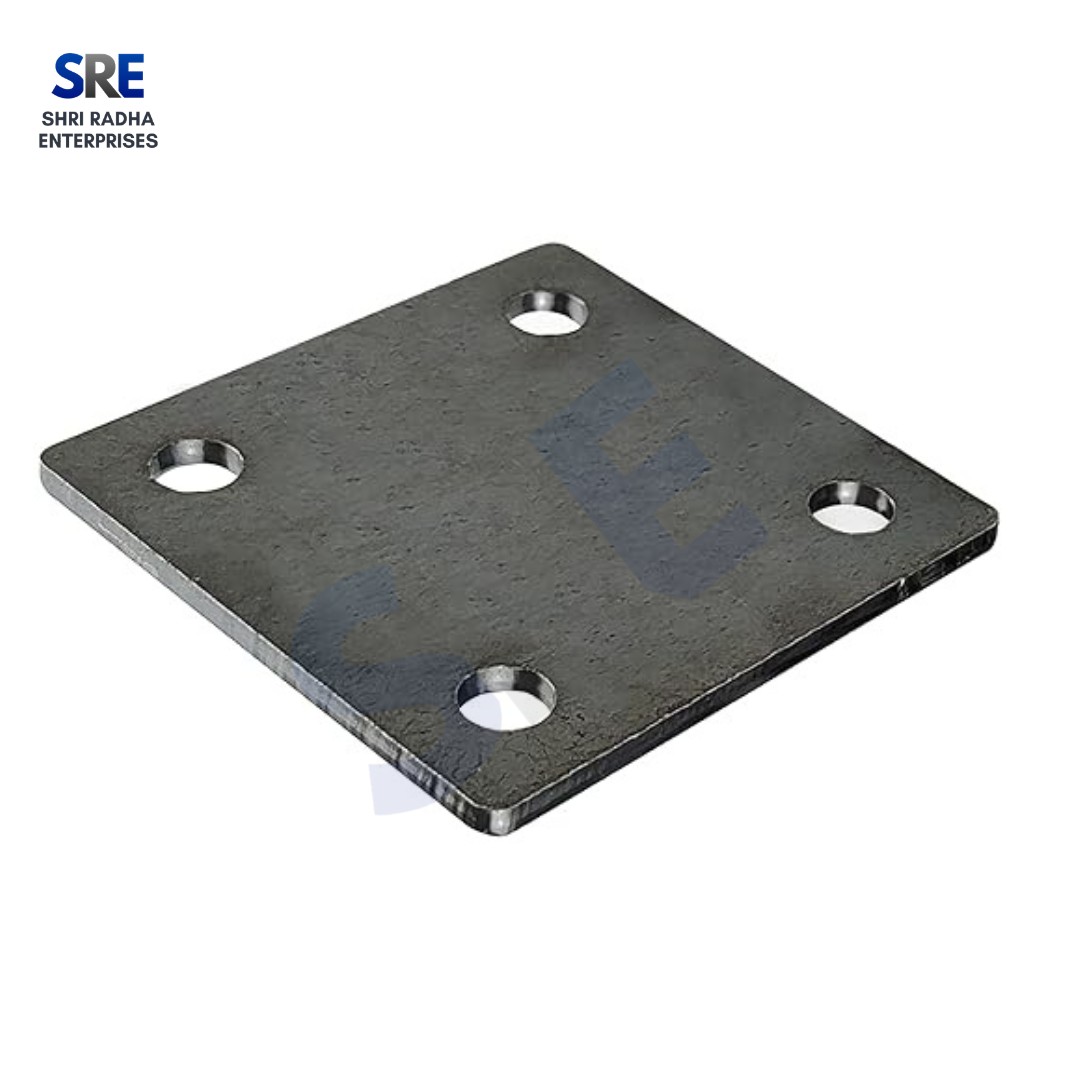
Pehla Check: Weight aur Thickness ka Khel (Vernier Caliper uthao!)
Let’s talk about the absolute favorite playground for fraudulent suppliers: the thickness and weight scam. If you ordered a standard $150 \times 150 \text{ mm}$ base plate with a $6 \text{ mm}$ thickness, a dishonest manufacturer isn't going to send you something obviously broken. Instead, they will quietly ship plates that are $5.2 \text{ mm}$ or $5.5 \text{ mm}$ thick. To the naked eye, a difference of just $0.5 \text{ mm}$ is completely invisible, especially when you are looking at a massive stack of dusty steel. But when you multiply that tiny difference across an order of 5,000 or 10,000 plates, the supplier has successfully stolen tons of premium steel from under your nose while pocketing your hard-earned cash.
Ready for the next paragraph? Just say the word!
How to Catch It on Site
- The Random Weight Test: Do not wait for the workers to unload the entire truck before you start checking. The moment the truck arrives, instantly pull 10 random base plates from different bundles or stacks. Throw them onto a digital weighing scale right there on the site. If the combined weight of those 10 plates falls short of the theoretical weight stated on your purchase order, it is an immediate red flag that the seller is skimming your steel.
- The Vernier Caliper Jadoo: This is where you bring out the ultimate truth-teller. Your site supervisor should always carry a digital vernier caliper in their pocket. Clamp the caliper jaws onto the exact edges of multiple random plates. If your invoice says you paid for $6\text{ mm}$ plates, but the digital screen flashes $5.3\text{ mm}$ or less, do not negotiate. Halt the unloading process right then and there.
(90 Degree Angle aur Pipe Joint Check)
The next big trap happens at the welding station, and it is a massive safety hazard. The joint where the flat plate meets the vertical spigot (the pipe) handles the entire load of your scaffolding grid. To cut down production time and save on expensive labor and welding gas, shady manufacturers will bypass continuous welding completely. Instead, they will give you "Tack Welding"—which basically means they just put 3 or 4 small dots of weld to temporarily hold the pipe in place for transport. It looks fine on the truck, but the moment thousands of kilograms of shifting construction weight push down on that joint in the field, those weak dots snap instantly, causing the vertical pipes to slip and the entire scaffolding structure to collapse.
The Coating Trap: Hot-Dip Galvanization vs. Cheap Silver Paint
Because scaffolding components spend months exposed to harsh outdoor weather, rain, and humidity, premium rust protection is non-negotiable. Legitimate manufacturers put their steel through a thorough Hot-Dip Galvanization (HDG) process, which metallurgically bonds zinc deep into the iron pores to prevent rust for years. Shady suppliers, on the other hand, love to cut costs here. They skip the expensive galvanization bath completely and simply spray the raw black steel with cheap silver or aluminum paint. It arrives at your site looking exceptionally bright and shiny, but it flakes off during the very first rainstorm, leaving your expensive plates to rot from rust.
How to Catch Coating Fraud on Site
- The Aggressive Scratch Test: To expose this trick, take a car key, a heavy iron nail, or any sharp tool and aggressively scratch the surface of a sample plate. If it’s just cheap silver paint, the coating will instantly peel off as a dry powder or flake, exposing the raw black iron underneath. True hot-dip galvanization forms an inseparable alloy layer with the steel that will not peel or flake under a manual scratch.
- The Matte vs. Mirror Check: Take a close look at the finish. Genuine hot-dip galvanized plates possess a dull, silver-gray, matte finish, and if you look closely, you will see distinct zinc crystallization patterns known as "spangles." If the plates arrive at your site with a bright, uniform, mirror-like chrome shine, they have almost certainly been spray-painted in a backyard workshop to mimic real galvanized steel.
The Bottom Line: Stand Your Ground at the Unloading Bay
At the end of the day, accepting a bulk B2B delivery on blind trust is an open invitation for suppliers to take advantage of your budget. These three basic on-site checks—Weight and Thickness Verification, Welding Continuity, and Coating Authenticity—take your team less than ten minutes to execute right at the unloading bay. By making these tests a mandatory company policy, you send a loud, clear message to your entire supply chain that you do not tolerate corner-cutting. Protect your capital, secure your structural foundation, and never let a dishonest manufacturer compromise the safety of your site.
Frequently Asked Questions (FAQs)
1. What is the acceptable thickness tolerance for scaffolding base plates?
In bulk industrial steel manufacturing, a minor rolling tolerance of $\pm 0.1 \text{ mm}$ to $0.2 \text{ mm}$ is standard. However, if a supplier delivers a $5.2 \text{ mm}$ plate when you explicitly paid for a $6 \text{ mm}$ plate, it is not a manufacturing variance—it is an intentional breach of contract and a severe structural safety risk.
2. How can I instantly distinguish hot-dip galvanization from cold spray paint? Hot-dip galvanized steel exhibits a dull, matte, rugged gray finish with visible zinc spangles, and it will not peel when scratched with a sharp tool. Cold spray paint looks exceptionally bright and reflective but peels off easily in flakes or powder when scratched.
3. What sample size should be inspected from a bulk delivery? For a standard batch of 1,000 incoming base plates, apply an AQL (Acceptable Quality Limit) sampling method. Randomly pull 20 to 30 plates from different sections of the truck to measure weight, thickness, and welding alignment. If more than two samples fail, inspect the entire shipment.
4. Can a lighter base plate actually cause a scaffolding structure to collapse? Yes. The base plate distributes the dead load of the steel tubes and the live load of workers safely to the ground. If the plate is thin or made of low-grade scrap steel, the concentrated load will cause the plate edges to bend upward, destabilizing the vertical alignment and triggering a catastrophic collapse.
5. Why is the IS 2062 steel grade mandatory for scaffolding components? IS 2062 is the official Indian standard benchmark for structural steel. It guarantees specific yield strength, tensile strength, and elongation properties. Uncertified plates are typically manufactured from brittle, non-standard scrap iron that snaps abruptly under heavy stress without warning, whereas IS 2062 steel bends slightly before failing, giving workers time to notice the danger.
Shri Radha Enterprises Team
We specialize in nylon rollers, sliding gate wheels, gate hardware, scaffolding items, cuplock systems, and accessories.