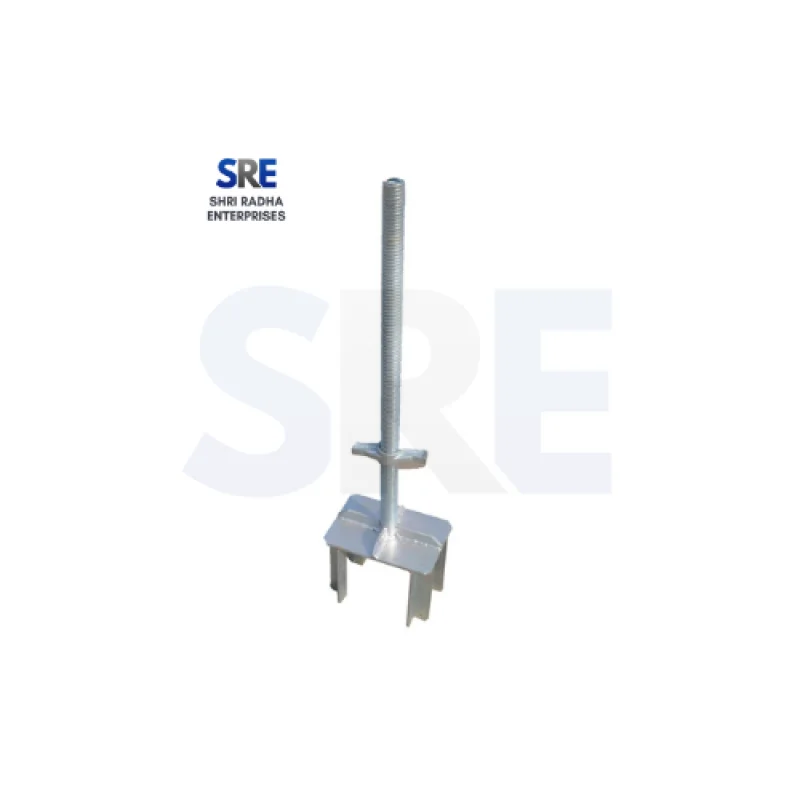
Screw Jack: The Unyielding Foundation of Scaffolding Safety
Featured Products
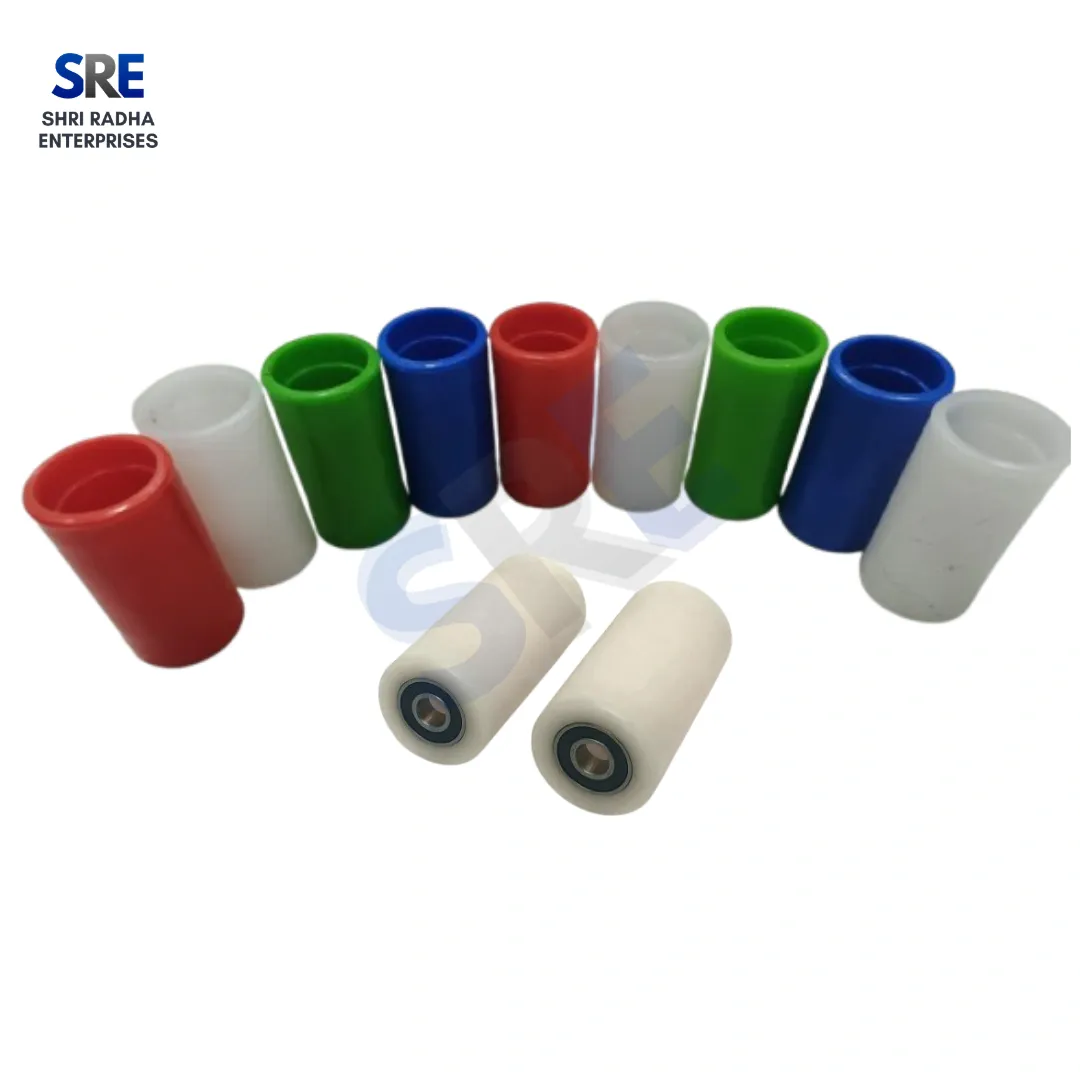
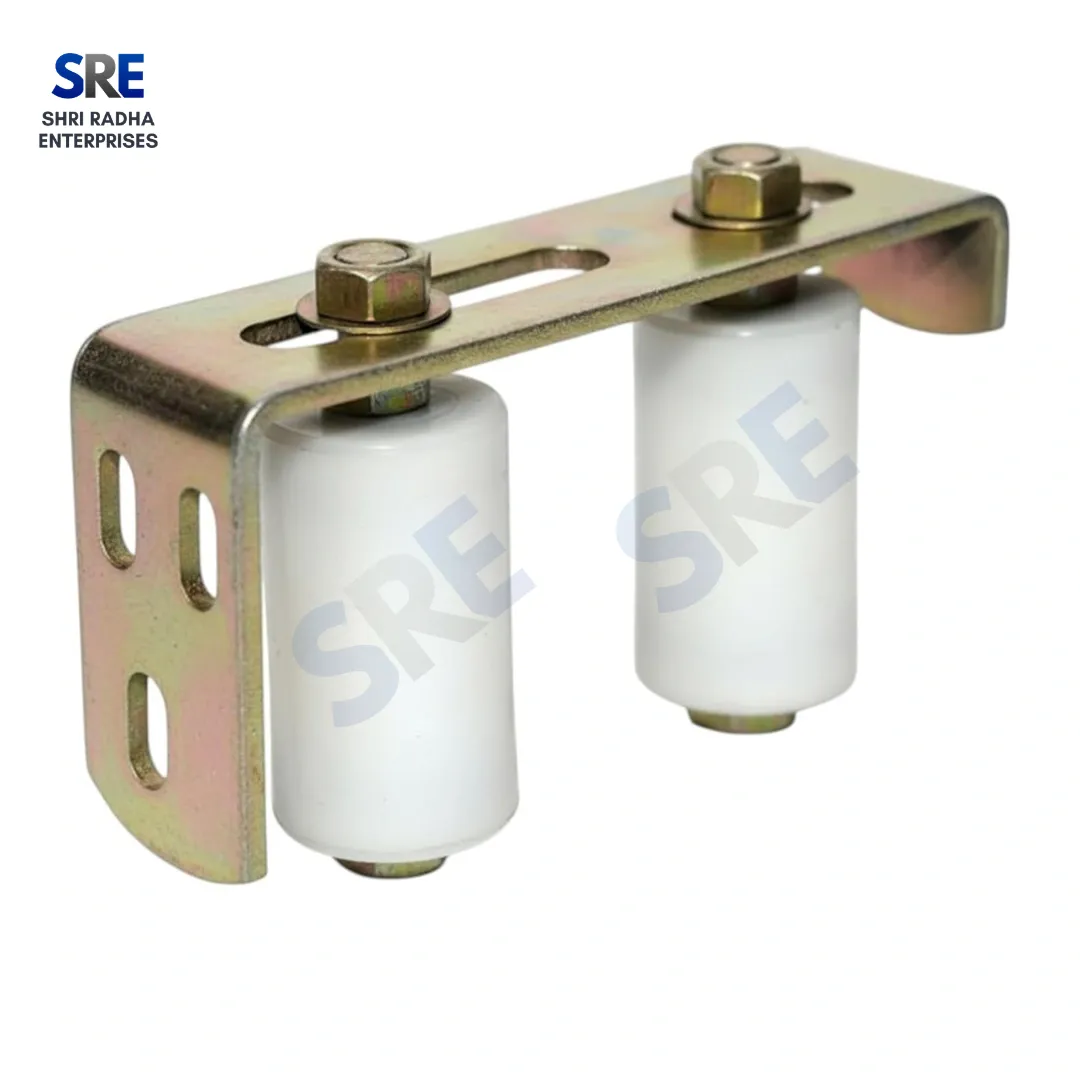
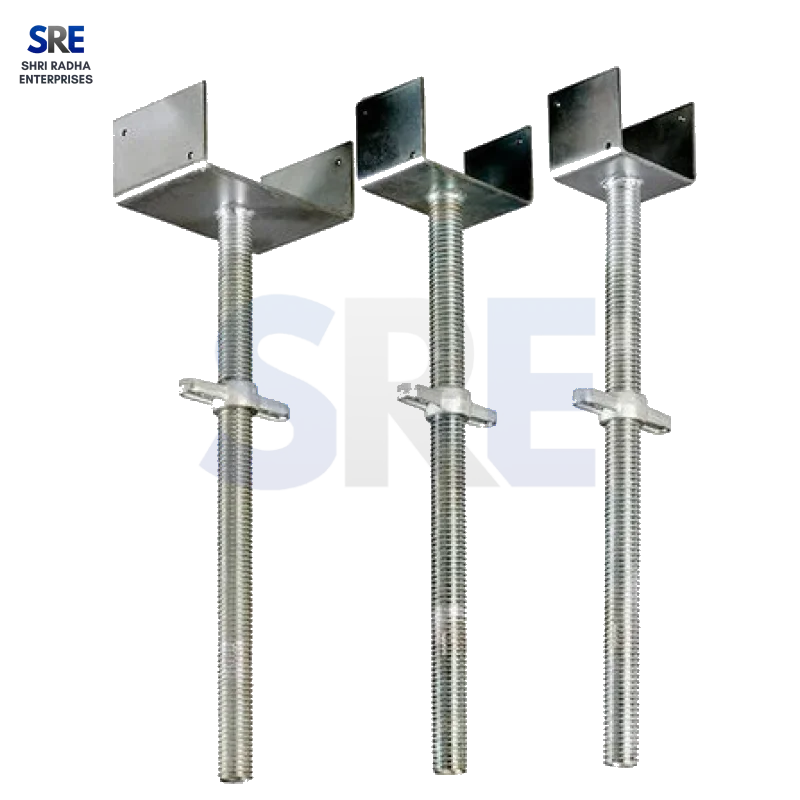
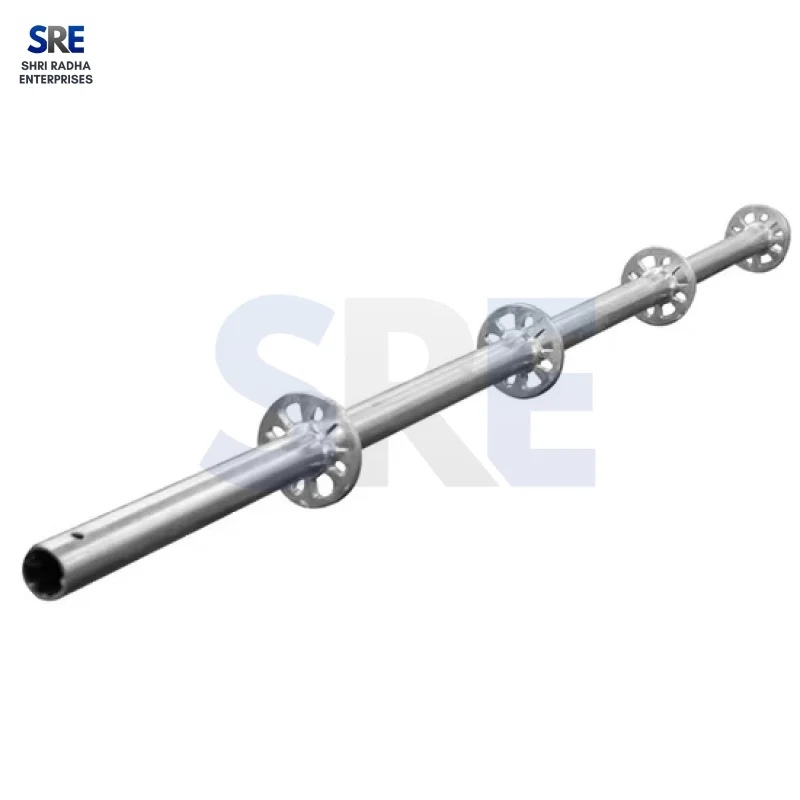
Screw Jack Failures: What I Learned The Hard Way When the Ground Sank Beneath My Build
I still remember the exact sound it made. It wasn't a slow, warning creak—it was a sharp, violent metallic snap that echoed across the site right in the middle of a heavy commercial concrete pour. My heart completely dropped into my stomach. I stood there practically frozen, watching a massive 50-foot scaffold tower carrying four workers suddenly jolt and tilt precariously to the left. We immediately screamed at the crew to evacuate the deck, halted the pour, and sprinted down to the foundation to see what the hell just happened. The ground hadn't just miraculously 'sunk' on its own. The culprit was staring right back at us: a cheap, lightweight screw jack that had completely buckled, its threads violently sheared off under the dynamic weight of the wet cement. That was the exact second I learned a terrifying lesson—gambling your entire structural integrity on a low-grade base leveler can bring your project crashing down in an instant.
The Hidden Danger of Cheap Scaffolding Foundations
We managed to stabilize the structure using some emergency shoring, but the financial setback and the sheer panic of that afternoon left a permanent mark on how I handle site procurement. When the dust finally settled, I dug that twisted piece of metal out of the mud to see exactly what went wrong. The soil was perfectly compacted; the earth hadn't betrayed us. The catastrophic failure came down entirely to the screw jack itself. To save a few miserable bucks on the initial material order, we had been supplied with hollow, thin-walled levelers with poorly cast threads instead of heavy-duty, solid MS (Mild Steel) components. The threads on that specific screw jack were practically stripped smooth just from the basic torque of our crew trying to level the base plate before the pour even began. I never truly respected the physics of a scaffold foundation until I held that broken piece of metal in my bare hands. Think about it for a second—every single ounce of vertical load, the dead weight of the steel tubes, the heavy wooden platform boards, the workers, the wet concrete, and the violent vibrations of the heavy machinery doesn't just magically disappear. All of that kinetic energy travels straight down the vertical masts and concentrates entirely onto a single point: the screw jack. If the threading isn't deep-cut and precision-machined, or if the base plate is slapped together with a flimsy, single-pass weld, that leveler becomes a ticking time bomb. I realized right then that I couldn't just trust whatever random hardware a supplier tossed into our delivery truck. I had to actually understand the engineering behind the foundation.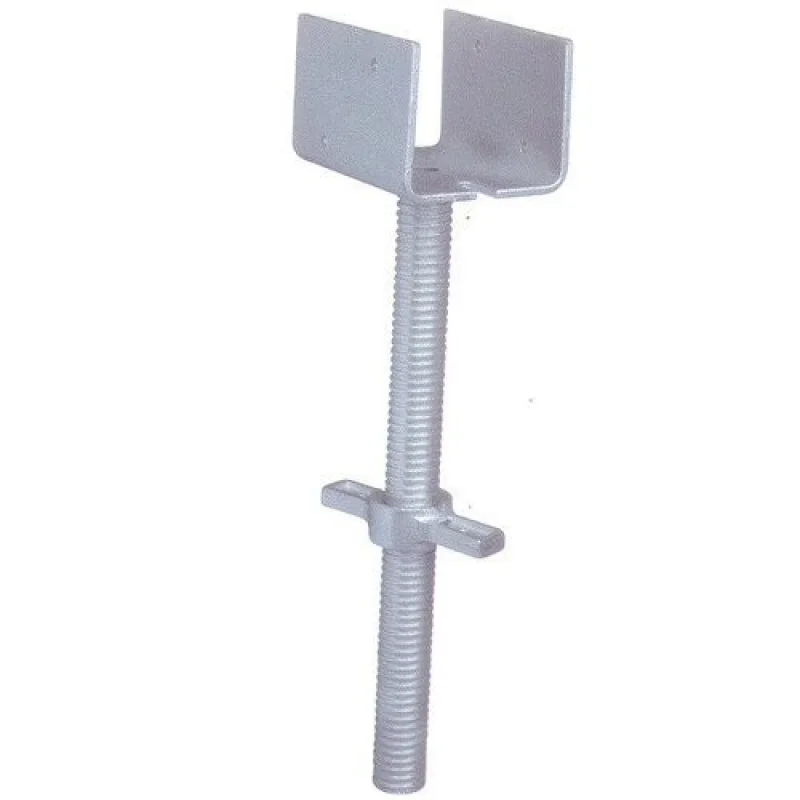
Solid vs. Hollow: The Anatomy of a True Leveler
I spent the next three days aggressively interrogating suppliers and tearing through technical spec sheets, determined to figure out how to never repeat that nightmare. I quickly discovered that the scaffolding industry has a dirty little secret when it comes to the base leveler. Some suppliers will quietly substitute a heavy-duty model with a hollow-tube screw jack because it costs them a fraction of the price to manufacture and ship. From thirty feet away, especially after a fresh coat of cheap galvanized spray, they look virtually identical. But when you are trying to balance tons of dynamic load on an uneven job site, those hollow, shallow-cut threads will eventually warp, compress, or snap. I realized that if I wanted to actually sleep at night while my guys were working in the sky, I had to completely ban those hollow levelers from my yard and switch exclusively to solid MS (Mild Steel) components with deep, heavy-duty Acme threads. But the threaded rod is only half the battle. I also had to take a hard, critical look at the adjusting nut and the bottom base plate of the screw jack. In my failed setup, the adjusting nut was a brittle, poorly cast piece of junk that jammed up the second a little bit of wet concrete or site mud got trapped in the grooves. I’d constantly see my guys brutally hammering the nut with heavy spanners just to force a millimeter of adjustment, which obviously damaged the threads even more. A true, industrial-grade screw jack features a smooth, heavy-duty drop-forged nut that is engineered to spin seamlessly under immense load, even when caked in dirt. And then there is the base plate itself. It needs to be a thick, wide footprint—typically 150mm by 150mm—with a deep, full-penetration weld connecting it to the vertical shaft. If that bottom weld is weak or rushed, the sheer vertical pressure of a loaded scaffold can literally punch the steel rod straight through the plate and into the mud.
The Non-Negotiable Yard Test
These days, I don't let a single delivery truck unload its cargo without running my own brutal field test. When a new batch arrives, I randomly pull one screw jack out of the pile and put it through hell before it ever touches my scaffolding grids. I check the dead weight first—if it feels suspiciously light in my hands, I immediately know they tried to slip me a hollow tube. Then, I run the drop-forged nut all the way up and down the threading with a heavy 21mm spanner. If I feel even a fraction of resistance, grinding, or metal-on-metal catching, the entire pallet gets rejected and sent straight back to the manufacturer. It might sound overly paranoid to some contractors, but when you have literally watched a structure sway because of a stripped thread, paranoia becomes your absolute best safety protocol. I’ve learned that a premium screw jack isn't just a basic scaffolding accessory; it is the unyielding anchor that dictates the survival of the entire build.
The True Cost of Cutting Corners on Foundation Gear
It genuinely baffles me when I see seasoned contractors negotiating pennies over foundation equipment. Let's look at the actual math for a second. You might save a fraction of your overall budget by purchasing a substandard screw jack from a sketchy supplier, but what is the real ROI on that decision? If that leveler fails, you aren't just losing a cheap piece of metal. You are looking at abruptly halted site operations, ruined materials, shattered client trust, and most importantly, the horrifying risk of fatal worker injuries and massive liability lawsuits. The few dollars I originally thought I was saving on that disastrous concrete pour ended up costing me thousands in emergency shoring, delayed labor, and a bruised reputation that took months to fully repair. Now, I view buying a premium, certified screw jack not as a begrudging expense, but as the absolute cheapest structural insurance policy I can possibly buy for my crew.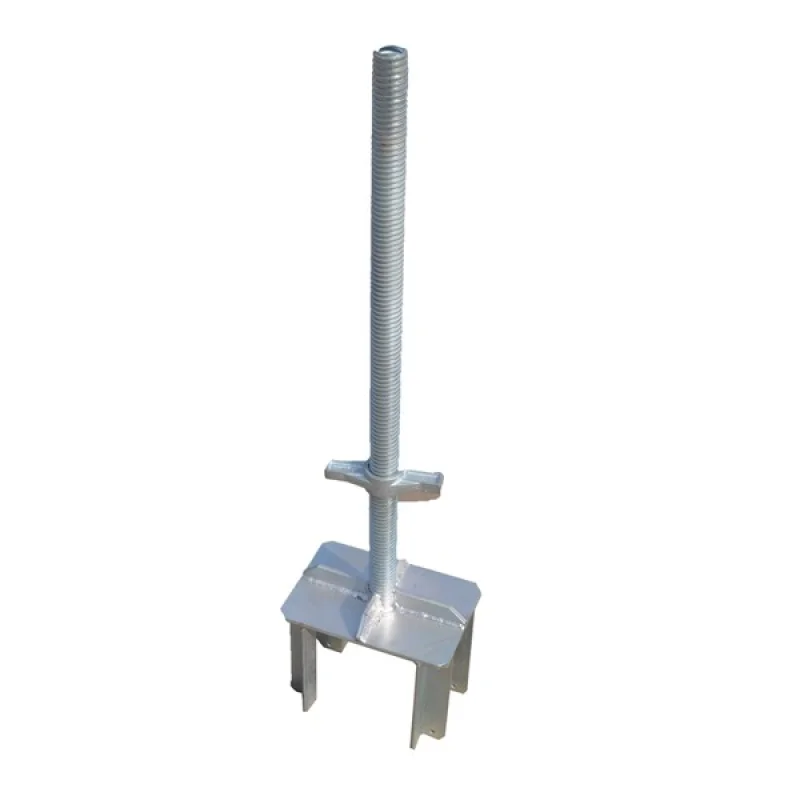
My Golden Rules for Setting the Perfect Base
It isn't just about buying the right hardware; it is about exactly how you deploy it in the mud. Even the heaviest, most expensive screw jack on the market will fail if your crew sets it up like amateurs. After my near-miss, I implemented strict, non-negotiable foundation rules for my site workers. First, a metal base plate never, ever touches bare earth, loose gravel, or raw asphalt directly. We always lay down thick, heavy-duty timber sole boards—often called mudsills—to distribute that massive pinpoint load over a much wider surface area. Second, I enforce a strict vertical extension limit. Just because a screw jack can theoretically extend up to 600mm doesn't mean it should. The higher you spin that adjusting nut up the threaded shaft, the more lateral leverage and structural wobble you introduce into your entire vertical mast. I never let my guys extend the thread past seventy percent of its maximum capacity. If the job site terrain is truly that wildly uneven, we don't stretch the hardware to its absolute breaking point; we stop, reassess, and rebuild the ground foundation properly.
The Post-Project Tear-Down Ritual
Another critical lesson I learned the hard way was what happens after the scaffolding comes down. For years, my crew would just toss the dismantled gear into the back of a damp truck and let it sit in the yard until the next job. But concrete, mud, and rain are absolute poison to threaded steel. When you leave a screw jack covered in wet cement to dry in the hot sun, that debris hardens like a rock deep inside the pitch of the threads. The next time a worker tries to forcefully spin the adjusting nut, they end up permanently stripping the internal grooves. Now, our post-project teardown is a religious process. Every single base leveler is aggressively wire-brushed, power-washed, and heavily lubricated before it ever goes back into our storage bins. I’ve realized that protecting the thick electro-galvanized coating on that shaft isn't just about making the equipment look shiny and pretty for the next client; it is about guaranteeing that the steel won't quietly rust from the inside out and compromise its load-bearing capacity on the next big build.
Looking back at that terrifying afternoon, I realize it completely reshaped my entire philosophy on construction safety. I don't just see a chunk of threaded metal anymore; I see the literal lifeline of my entire crew. Whenever a young site manager asks me for advice on scaling their scaffolding operations, I always tell them to start from the dirt up. You can buy the most advanced scaffolding tubes and the most expensive safety harnesses in the world, but if you compromise on your base foundation, you are essentially building a skyscraper on quicksand. Refusing to settle for anything less than a solid, premium-forged screw jack was the single most impactful decision I ever made for my projects. It didn't just save my structures from collapsing into the mud—it gave me the ultimate peace of mind, knowing that when my guys climb up those fifty-foot ladders, the ground beneath them will never, ever betray them again.
The Spec Sheet Deception: How Suppliers Trick You
I thought my foundation problems were completely solved once I knew exactly what hardware to look for, but navigating the actual procurement process turned out to be a whole new battlefield. You wouldn't believe how many polished, professional-looking spec sheets I reviewed that blatantly lied about the true load-bearing capacity of their foundation gear. A slick sales rep will look you dead in the eye and swear their screw jack can safely hold four tons, but when you dig into the microscopic fine print, you realize that rating is based on static, perfectly balanced laboratory conditions—not a chaotic, vibrating job site dealing with heavy wind loads and shifting mud. I had to quickly learn to interrogate suppliers like a detective. I started demanding actual metallurgical test reports, third-party tensile strength data, and batch certifications for the MS steel they claimed to use. If a manufacturer hesitated for even a second or gave me vague, dodging answers about their drop-forging temperatures or their electro-galvanization thickness, I walked away immediately. Trust me, the fancy glossy paper a spec sheet is printed on won't hold up a scaffold in a storm, but the actual verified grade of steel absolutely will.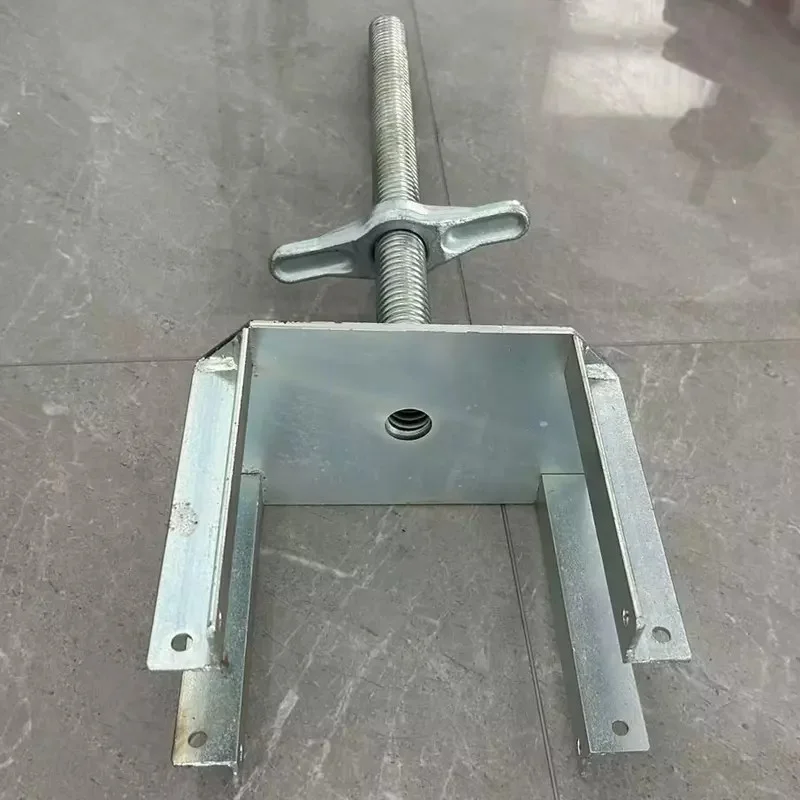
Tackling the Sloped Ground Nightmare
Once I had my standard foundation protocol locked in, the universe decided to test me again—this time on a brutal, sloped commercial ramp project. We were hired to erect a massive cuplock birdcage system on an incline that felt like a ski slope. My guys tried setting up our rigid levelers, but because the ground was deeply angled, the flat base plates were only making contact on one tiny, sharp edge against the wooden mudsills. The sheer pinpoint stress was literally splintering the heavy timber beneath it. If we had tried to load that structure with workers and wet concrete, the base would have violently slid out or snapped the threaded shaft entirely. That was the day I had to urgently source my first batch of swivel-base levelers. A standard screw jack is an absolute lifesaver for flat or mildly uneven ground, but a swivel jack features a heavy-duty ball-and-socket joint that allows the base plate to tilt and conform perfectly to the angle of the terrain while keeping the vertical mast dead straight. Seeing that thick steel plate physically adapt to the harsh incline and firmly grip the timber without any dangerous edge-loading felt like watching pure engineering magic. It completely opened up the types of complex, high-risk topographies my crew could safely conquer.
The Geometry of Survival: Why the Thread Pitch Matters
I never thought I would become a self-taught expert on metal threading, but here we are. If you actually get down on your knees and closely inspect the heavy rod of a high-quality screw jack, you’ll notice that the grooves don't look anything like a standard bolt you'd buy at a local hardware store. Standard V-shaped threads are designed to lock materials together permanently, which is exactly what you don’t want on a muddy, gritty construction site. When concrete dust, wet sand, and rust inevitably pack into those tight V-grooves, the adjusting nut locks up completely solid. I’ve seen grown men practically tear their shoulders out trying to muscle a jammed nut free. A true, heavy-duty leveler utilizes a coarse, deep-cut Acme thread or a specialized rolled thread profile. These wider, square-like gaps allow the dirt to literally push out of the way and fall down the shaft as you spin the nut. It sounds like a minor engineering detail, but when your crew is utterly exhausted and trying to dismantle a scaffold at 3 AM in the freezing rain, a nut that spins freely versus one that requires a sledgehammer to move makes a massive difference in your labor costs.
Empowering My Crew to Pull the Plug
It is one thing for me to sit in the office and meticulously vet spec sheets, but it is an entirely different reality out there in the freezing mud at six in the morning. I quickly realized that my strict new procurement rules meant absolutely nothing if the guys actually wielding the spanners didn't understand the life-or-death stakes. I used to have a culture where workers would just make do with whatever gear was handed to them, forcing a slightly bent screw jack into alignment just to keep the site foreman happy and stay on schedule. I had to completely shatter that toxic mindset. I held a mandatory, site-wide safety stand-down and brought out that exact mangled, stripped leveler from my near-miss concrete pour. I passed it around the circle so every single rigger, scaffold-hand, and laborer could physically feel the sheer weight of that failure in their own hands. I gave them a new, non-negotiable directive: if you ever pick up a base piece that feels abnormally light, has a cracked bottom weld, or if the nut aggressively catches on the thread, you throw it in the red scrap bin immediately. No questions asked, and absolutely no reprimands for slowing down the job. Teaching my crew that they had the ultimate authority to reject a compromised component transformed them from blind laborers into the absolute best first line of defense for our structural integrity.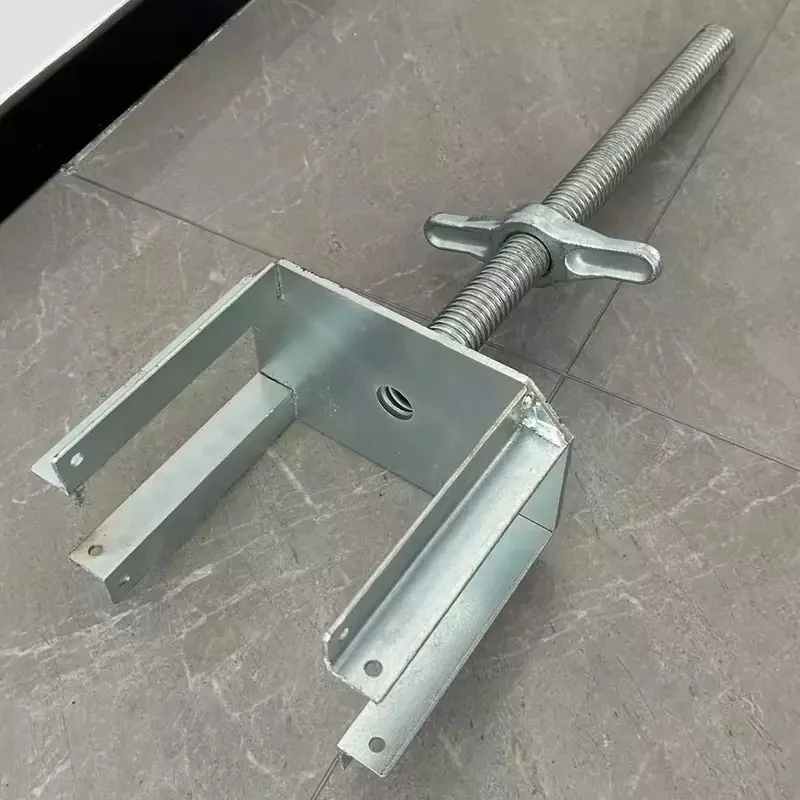
The Mid-Build Shift: Why Setting It and Forgetting It is a Death Trap
One of the most dangerous myths in this industry is the idea that once a scaffold is erected and perfectly leveled, the foundation is permanently secure. I used to be completely guilty of this "set it and forget it" mentality. We would carefully dial in every single screw jack on day one, check the bubble levels on our vertical steel tubes, give ourselves a pat on the back, and then completely ignore the base for the next six months. But a busy construction site is a living, breathing, violently vibrating ecosystem. You have massive excavators constantly rolling past, relentless heavy rain turning tightly compacted dirt into a soft sponge, and severe wind loads continuously pulling and swaying the upper decks. Over time, all of that aggressive dynamic energy travels straight down the masts. I’ve gone out for mid-project inspections after a heavy storm and found that the soil beneath a specific leg had subtly washed away, leaving that particular base plate completely suspended a fraction of an inch in mid-air. The entire weight of that section was now dangerously bridged and forcefully distributed onto the adjacent legs, massively overloading their capacity. Now, I mandate weekly laser-level checks and physical torque tests on every single adjusting nut, because you have to constantly monitor your foundation. The earth beneath your build simply never stops moving.
The Supply Chain Reality: Why You Need a True Partner, Not Just a Vendor
After spending months aggressively rejecting subpar equipment at my yard gates, I came to a harsh but necessary realization about the construction industry. The traditional way we source a screw jack is fundamentally broken. For years, I was treating these critical load-bearing components like generic office supplies, constantly jumping from one random vendor to another just to chase the absolute lowest unit price on the market. But when you treat your scaffolding procurement as a purely transactional, race-to-the-bottom bidding war, you are practically begging suppliers to cut corners on metallurgy and welding just to win your purchase order. I decided to completely overhaul my approach. I stopped looking for cheap vendors and started hunting for a true manufacturing partner. I wanted to look the factory owner in the eye, walk their production floor, and actually see the drop-forging process for myself. When you build a long-term relationship based on absolute structural integrity rather than just pinching pennies, your supplier becomes fiercely protective of your safety record. Now, when a fresh pallet arrives at my site, I already know the exact chemical composition of the steel and the precise load limits because my manufacturing partner knows I will accept zero compromises when it comes to supporting my crew.
The Boardroom Trick: How a Piece of Hardware Won My Biggest Contracts
I used to absolutely dread the bidding process. For years, I was constantly losing lucrative commercial contracts to cut-rate competitors who were underbidding me by thousands of dollars. I couldn't figure out how they were operating so cheaply until I realized they were building their entire foundations on that exact same flimsy, hollow-tube hardware that almost killed my crew. Instead of lowering my prices and compromising my safety standards to compete, I decided to completely flip the script. I started bringing a heavy-duty, solid MS screw jack directly into my corporate pitch meetings. I would literally place that massive, heavy piece of drop-forged steel right onto the polished mahogany boardroom table, right next to a cheap, paper-thin competitor’s leveler I had bought for demonstration. I didn't just hand them a spreadsheet with numbers; I physically showed them the difference. I would let the client hold it, feel the immense dead weight, explain the deep-cut Acme threading, and tell them the brutal story of how a cheap base plate can sink a multimillion-dollar concrete pour in a fraction of a second. By turning a highly technical scaffolding component into a visceral, psychology-driven lesson on risk management, my slightly higher project quotes suddenly didn't look like an unnecessary premium anymore. They looked like the absolute best liability insurance those developers could possibly buy. Refusing to compromise on the foundation didn't just save my workers' lives on the site—it became the ultimate value-first selling point that permanently separated my company from the reckless bottom-feeders in the industry.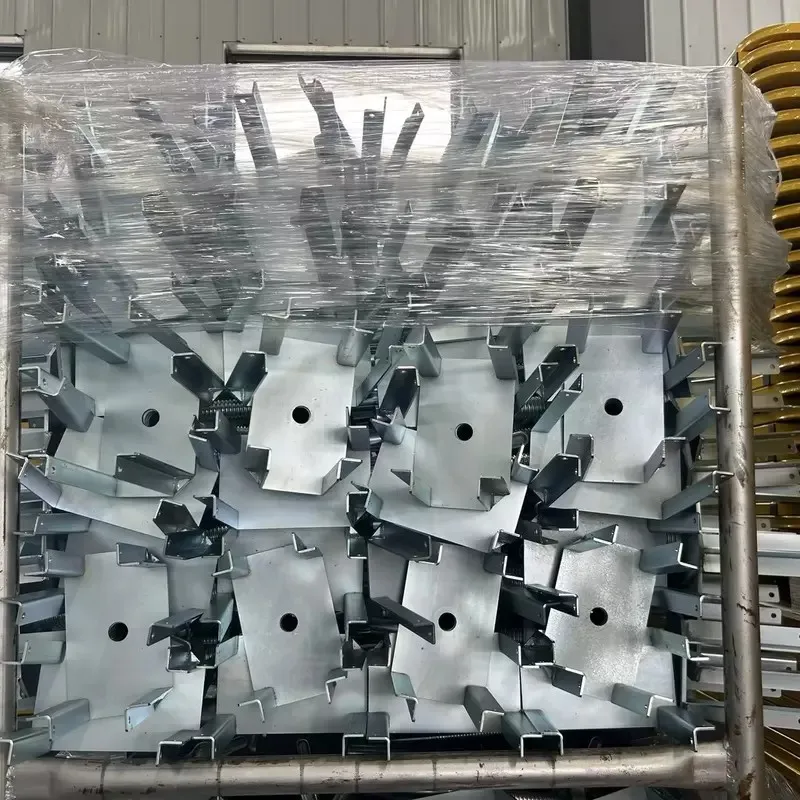
The Inspector's Nod: When Paranoia Pays Off
There is one specific moment on every major construction site that instantly separates the professionals from the amateurs: the unannounced arrival of a third-party safety inspector. In the old days, whenever I saw that white hard hat and clipboard walking through the perimeter gates, my stomach would immediately tie itself into knots. I would frantically wonder if my guys had missed a loose coupler or if a base plate had dangerously shifted in the mud over the weekend. But once I completely overhauled my foundation protocols, that lingering anxiety entirely evaporated.
I vividly remember a notoriously strict state inspector showing up on a massive commercial high-rise we were erecting. He bypassed the upper decks completely and went straight for the dirt, pulling out his torpedo level and inspecting our base grid with a fine-tooth comb. He crouched down, aggressively checked the deep-cut threading on a corner screw jack, examined the drop-forged adjusting nut for any signs of cracking, and verified the load distribution on our heavy timber mudsills. I watched him try to find a single flaw or a hollow-tube shortcut in the entire layout.
After ten minutes of total silence, he simply stood up, tapped the solid steel shaft with his pen, gave me a firm nod, and signed off on the entire grid without writing a single citation or issuing a stop-work order. That quiet nod of respect from a seasoned, uncompromising safety veteran was the ultimate validation. It proved that treating your base levelers as the most critical engineering components on your site doesn't just prevent catastrophic collapses—it transforms your entire operation into an impenetrable fortress of compliance. When you know your foundation is bulletproof, you stop fearing the clipboard and start welcoming the scrutiny.The Final Takeaway: Building a Legacy on Solid Steel
At the end of the day, whether you are erecting a massive industrial birdcage or a simple residential perimeter, gravity simply does not care about your profit margins. It doesn't care about your tight project deadlines, and it certainly doesn't care about the smooth excuses a cut-rate vendor gave you over the phone. The brutal, unforgiving laws of physics will eventually expose every single shortcut you try to take on a job site. That terrifying metallic snap I heard years ago was the most stressful, yet most valuable lesson of my entire professional career.
It taught me that a screw jack is infinitely more than just a threaded rod and a welded plate. It is the absolute bedrock of your crew’s daily safety, the unyielding anchor of your structural integrity, and the physical embodiment of your company’s reputation in the market. When you stop looking at your foundation gear as an annoying line-item expense and start treating it as the critical life-support system it actually is, your entire business model transforms. You stop racing to the bottom to compete on cheap bids, you naturally attract higher-tier developers who value risk mitigation, and most importantly, you guarantee that every single one of your riggers goes home safely to their families at the end of a grueling shift.
If you want to build an unstoppable, highly profitable legacy in the scaffolding and construction industry, you cannot afford to build on weak foundations. You have to ensure that every single time your crew reaches for the sky, they are starting on solid, uncompromising steel.
Stop Gambling with Your Foundation: Upgrade Your Yard Today
Are you still trusting your crew's lives and your company's reputation to hollow, uncertified base levelers? Don't wait for a catastrophic failure to force a change in your procurement strategy. The investment in a premium foundation is absolute pennies compared to the devastating financial and human fallout of a collapsed scaffold.
Take the Yard Test Today: Walk out to your site right now, pull a random screw jack from your active pile, and feel the weight. Run the adjusting nut up the threads. If you feel any resistance, or if you have even a shadow of a doubt about its structural integrity, it is time to clean house.
Protect your crew, secure your structures, and win those high-stakes commercial contracts by partnering with a supplier who refuses to compromise on metallurgy. We specialize in heavy-duty, certified solid MS (Mild Steel) scaffolding hardware featuring deep-cut Acme threads, drop-forged adjusting nuts, and full-penetration base welds.
Stop building on quicksand. Reach out today to bulletproof your foundation:
- [sremanufacturer: Browse Our Certified Scaffolding Hardware]
- Contact Us Directly: [9023538107 / sremanufacturer@gmail.com]
Your foundation is your legacy. Let’s build it on solid steel.
Shri Radha Enterprises Team
We specialize in nylon rollers, sliding gate wheels, gate hardware, scaffolding items, cuplock systems, and accessories.